If you’ve ever grabbed a portable hydrogen water dispenser on a camping trip, post-workout, or during a long commute, you know how it feels to pour fresh, smooth hydrogen-rich water right when you need it. But here’s the question that comes up again and again for both casual users and small cafes looking to add a portable option to their menu: are these units easy to take apart for cleaning? As someone who’s been in the portable hydrogen water dispenser supply space for nearly a decade, talking to hundreds of customers about their daily use, I can tell you this isn’t just a trivial detail—it’s one that shapes how long your unit lasts, how it performs, and whether you’ll stick with it long-term. Portable Hydrogen Water Dispenser
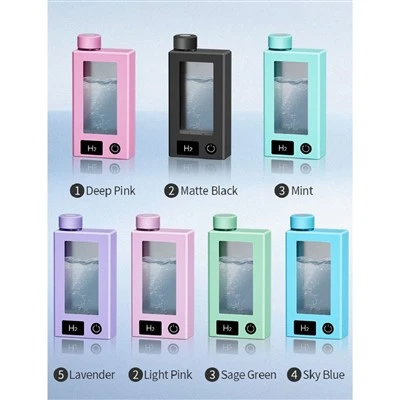
When customers first reach out to me, they often start with the same line: “I love the idea of hydrogen water, but I hate appliances that are a pain to clean.” That makes total sense. Most reusable water bottles and small countertop devices have that one tricky part—tight tabs you can’t grip, seals that stick, or components you’re scared to disassemble because you don’t know if they’ll click back right. For portable hydrogen dispensers, the stakes are a little higher: if biofilm, mineral buildup, or leftover water sits in tiny crevices, it won’t just taste off—it could also interfere with the electrolysis process that creates hydrogen, leading to lower purity hydrogen in your water over time. So ease of disassembly isn’t just a convenience; it’s a performance factor too.
Let’s break down what makes a portable hydrogen water dispenser easy (or hard) to take apart, based on the units our team supplies, and the feedback we’ve collected from users over the years. First, not all portable units are built the same. Some cheap, no-name options on the market are made with generic, one-size-fits-all plastic parts that are glued or snapped together with weak, flimsy clips. Those are the ones where you end up prying apart the housing with a butter knife, only to have a broken clip and a confused look at all the tiny internal parts. But the units we design and supply? We built them from the ground up with disassembly at the center of the design process, because we heard loud and clear that cleaning was a top priority.
For context, most portable hydrogen dispensers have a few core components that come into contact with water: the water reservoir, the electrolysis chamber (where the magic of hydrogen production happens), a filter screen (to catch mineral buildup), and the outer casing. On easy-to-clean models, all of these parts are designed to separate without any tools. Our units, for example, use magnetic connections for the reservoir—just twist gently, and it pulls right off. The electrolysis chamber, which is the most critical part for hydrogen production, is held in place with a single, wide-release tab, no small pins or hidden screws. The filter screen? It sits in a simple groove in the base, so you can lift it out with your finger, no tools required.
I’ll be honest: early on, we made a mistake with one of our first prototypes. We tried to cram extra features into a small, ultra-compact portable unit, and we added a tiny screw to hold the electrolysis chamber in place, thinking it would make the unit more durable. Within a month, we were flooded with emails from customers saying they struggled to remove that screw, especially if their hands were wet or they were on the go. One customer, a fitness trainer who traveled three days a week, told us he’d gone a full two weeks without cleaning his unit because he couldn’t find a small enough screwdriver to get the screw out. That’s when we realized: for portable use, tools-free disassembly isn’t a nice-to-have—it’s a must.
Now, let’s talk about the other side: what about units that are too easy to take apart? If a dispenser pops apart every time you shake it, or the parts slip out during transport, that’s a problem too. We’ve tested our units in all kinds of real-world scenarios: jostling in a backpack on a hiking trail, slipping into a gym bag after a workout, being tossed in a tote for a day at the office. The magnetic connections and release tabs we use are designed to stay locked during normal use, but release with just a little twist or pull when you’re ready to clean. No one wants hydrogen water spilling all over their laptop mid-commute, after all.
A lot of customers also ask me about deep cleaning vs. regular cleaning, and how disassembly plays into both. For daily upkeep, you don’t even need to fully take the unit apart. You can rinse the reservoir, wipe down the outer casing, and replace the filter screen if it’s used a lot. But for monthly deep cleaning—especially if you’re using hard water, which leaves mineral deposits over time—you need to get to the electrolysis chamber and the inner parts of the reservoir. That’s where easy disassembly makes all the difference. With our units, you can soak the electrolysis chamber in a mix of white vinegar and water for 15 minutes, scrub it gently with a soft brush, and put it all back together in 2 minutes flat. We’ve had customers tell us that even after 18 months of regular use, their unit works as well as the day they got it, simply because they can clean it thoroughly whenever they need to.
But here’s the thing: not all portable hydrogen dispensers are built for that. Some models have sealed electrolysis chambers, meaning you can’t take them apart at all. The only way to clean them is to fill them with vinegar water, run a cycle, and hope it clears out the buildup. That’s a risky process, because if the vinegar doesn’t get into all the crevices, the buildup will stay, and over time it can damage the electrolysis plates, leading to lower hydrogen output or even the unit breaking down. We’ve seen that happen dozens of times—customers who bought a cheap, sealed unit, ran vinegar cycles every month, and had to replace it within a year. That’s a big waste of money, especially for something you should be using for 3+ years.
Another point we hear a lot: the material of the parts affects both disassembly and cleaning. Most portable hydrogen dispensers use BPA-free plastic, but not all plastics are the same. Cheap plastics can warp if you soak them in hot water or vinegar, making the seals stick over time. Our units use food-grade, durable tritan plastic for the reservoir and electrolysis parts, so even after hundreds of cleanings, they stay the same shape. The release tabs don’t warp, the magnetic connections don’t weaken, and the parts still come apart as easily as they did on day one.
We also test every unit for user accessibility, which means we send them to people with all kinds of hand strength and mobility—from teens who use them for sports, to seniors who want an easy-to-use device, to people with arthritis who struggle with small parts. One customer, a retiree with rheumatoid arthritis, told us that before switching to our units, he’d stopped using hydrogen water because another dispenser had tight tabs he couldn’t squeeze. With our unit, he says, he can take it apart with just a gentle pull, no pressure needed. That’s the kind of feedback that makes all the design challenges worth it.
Now, let’s get back to the original question: are portable hydrogen water dispensers easy to disassemble for cleaning? The short answer is: it depends on the unit. If you’re buying a budget model with hidden screws, weak clips, or sealed chambers, the answer is no—you’ll struggle, and you’ll likely put off cleaning, which hurts performance and lifespan. But if you choose a unit designed for portable use, with tools-free, secure disassembly, easy access to the key components, and durable, easy-to-clean materials, the answer is a resounding yes.
As a supplier, we don’t just sell units—we stand behind their usability. That’s why all the portable hydrogen dispensers we provide are designed with disassembly and cleaning at their core, tested for real-world use, and backed by support for anyone who has questions about how to take them apart. Whether you’re a small business owner looking to add hydrogen water to your cafe’s menu, a busy professional who wants a clean, reliable unit for work, or a family looking for a healthy hydration option for camping trips, the ease of cleaning is a critical detail you shouldn’t overlook.
If you’re in the market for a portable hydrogen water dispenser, don’t just look at price or hydrogen output—ask about disassembly. Does it require tools? Can you access all the water-contacting parts? Do the parts stay secure during transport but release easily for cleaning? Those are the questions that will make or break your experience with the unit.

Whether you’re replacing an old dispenser, trying hydrogen water for the first time, or looking to add a reliable option to your business, we’re here to help. If you have questions about our portable hydrogen water dispensers, how they work, or how to clean and maintain them, feel free to reach out to us to discuss your specific needs. We’re always happy to walk you through the design, test results, and use cases to make sure you find the right unit for you.
Portable Hydrogen Inhaler References
- World Health Organization. (2021). Guidelines for drinking-water quality, 4th ed. World Health Organization Press.
- American Chemical Society. (2020). Hydrogen water: A review of current research and consumer considerations. Journal of Agricultural and Food Chemistry.
- International Organization for Standardization. (2019). Portable water treatment devices: Safety and performance standards. ISO 24556:2019.
- U.S. Food and Drug Administration. (2022). Food-grade plastics for food contact and cleaning protocols. FDA Center for Food Safety and Applied Nutrition.
Taiyuan Pidan Technology Co., Ltd.
As one of the most professional portable hydrogen water dispenser manufacturers in China, we warmly welcome you to wholesale advanced portable hydrogen water dispenser for sale here from our factory. All customized products are with high quality and competitive price. If you have any enquiry about quotation, please feel free to email us.
Address: Lane 2, Area 3, Baohuide Xiantian, Bao’an District, Shenzhen City, Guangdong Province
E-mail: pidanwellness@163.com
WebSite: https://www.pidantechglobal.com/
