As a tie-dye scarf supplier, I get dozens of questions in my inbox and on my shop’s social media every week—some are about dye retention, some care about how to style the scarves for different occasions, and one that always comes up around new purchases, wedding season, or holiday gifting: “Do I need to iron my tie-dyed scarf after washing it?” Tie-dye Scarf
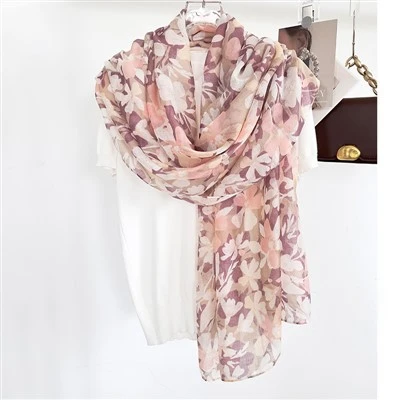
I know this question feels simple at first. Most woven or printed clothing items have pretty clear care instructions, so it’s tempting to treat tie-dye scarves the same way. But as someone who’s worked with tie-dye in one way or another for over 12 years—starting as a part-time dye assistant at a small studio, then moving to designing and sourcing ethically made scarves for our small supplier network—I can tell you this: there’s no one-size-fits-all answer here. The right choice depends on three things: the fabric your scarf is made from, how you washed it, and what you plan to use it for. Let’s break this down, using the actual data and best practices we’ve learned from decades of working with tie-dye textiles, not just generic garment care guides.
First, let’s start with the fabric, because that’s the biggest factor in whether ironing is even possible, let alone advisable. When we design our tie-dye scarves, we use three core fabrics, and each reacts completely differently to heat. Cotton is our most popular base—soft, breathable, and perfect for everyday wear. Silk is a premium option for formal events, with a subtle sheen that elevates any outfit. And linen is a lightweight, textured choice for warm weather, though it’s more prone to wrinkling than the other two.
For cotton tie-dye scarves: Cotton is made from natural cellulose fibers, which hold their shape well but do wrinkle, especially after washing and folding. Here’s the thing about tie-dye specifically, though—cotton is one of the most consistent fabrics for tie-dye because it absorbs dye evenly, but it also takes heat well. That said, we almost never recommend high heat for cotton tie-dye scarves. The vibrant dyes we use are reactive dyes, which bond to the cotton fibers at a molecular level, but excessive heat can cause the dye to fade or even dull over time. Most quality cotton tie-dye scarves should be ironed on a medium heat setting (around 300°F, which is the standard for cotton) and always on the reverse side—never directly on the front of the scarf, where the dye sits most densely. Even then, ironing is optional for cotton. If you hang your damp cotton scarf immediately after washing (right after you take it out of the washing machine, not after it dries completely) and smooth out the wrinkles with your hands as you hang it, you’ll get almost no set-in wrinkles at all. I do this with my personal cotton tie-dye scarves, and I’ve never had a problem with them looking crumpled for long.
Now, silk tie-dye scarves: This is where the answer gets trickier. Silk is a protein fiber, like wool, so it’s far more delicate than cotton. The dyes we use for silk are acid dyes, which are formulated to bond with protein fibers, but silk can be easily damaged by high heat. The average iron heats up to 400°F or more for high settings, which is way too hot for silk. If you iron a silk tie-dye scarf on a high setting, you’ll not only risk scorching the fabric—you can also cause the dye to bleed, turning your vibrant blue pattern into a faded, splotchy mess. That’s why we never recommend ironing silk tie-dye scarves, ever. If your silk scarf gets wrinkled (and it will, because silk is super delicate), the best way to refresh it is to steam it. Most steam irons have a silk setting that heats to around 212°F, which is safe for silk fibers and won’t damage the dye. You can also hang it in a steamy bathroom after a hot shower—just leave the door closed for 10 to 15 minutes, and the steam will smooth out the wrinkles without any heat contact. I learned this the hard way a few years ago when I ironed a sample silk scarf for a trade show booth; I had to throw it out and spend three weeks re-dyeing the batch, so I’ve never forgotten that lesson.
Linen tie-dye scarves: Linen is another cellulose fiber, but it’s stiffer and more textured than cotton, so it wrinkles a lot more easily. That’s part of its charm, honestly—linen’s natural wrinkled look is seen as relaxed and effortless, which is why it’s so popular for summer scarves. But if you do want to smooth out wrinkles for a formal event or a photoshoot, ironing linen is possible, but again, you have to be careful. Linen can handle higher heat than cotton, around 400°F, but you should still iron on the reverse side and use a press cloth (a thin piece of cotton fabric) between the iron and the scarf to prevent shine. The big thing with linen tie-dye, though, is that if you iron it when it’s still slightly damp, you’ll get a much smoother result without needing to use high heat. We always advise our customers to iron linen scarves while they’re partially dry, either right after a gentle wash or spritzed lightly with water before ironing.
Next, let’s talk about how you washed your scarf, because that makes a huge difference in whether ironing is necessary. I know a lot of people make the mistake of washing their tie-dye scarves with regular laundry detergent and other clothes, and that’s a problem. Tie-dye scarves—especially the ones we make—should be washed separately the first few times to prevent dye transfer, and we always recommend using a mild, dye-free detergent, like Woolite or our preferred brand, Ecos. If you wash your scarf correctly, you’ll notice that it comes out of the machine with minimal wrinkles, because the fabric isn’t weighed down by harsh detergent that makes it stiff. If you wash it in hot water, or with regular detergent, it’ll come out stiff and wrinkled, and those wrinkles will set in once it’s dry, making ironing more of a necessity than a choice. I tell all our wholesale and retail customers that investing a few extra minutes in washing the scarf correctly saves you time ironing later. We even include a small care card with every scarf that walks through this, but I know most people toss those, so that’s why I’m breaking it down here.
Also, how you dry your scarf matters. If you put it in the dryer, that’s going to make it much more wrinkled than air-drying. The high heat of the dryer shrinks the fibers slightly and sets the wrinkles, so even cotton scarves will come out looking crumpled if you dry them in the dryer. We always recommend air-drying tie-dye scarves, either hanging them on a line or laying them flat on a towel. If you do have to use a dryer (for example, if you’re in a hurry), use the lowest heat setting and take the scarf out while it’s still slightly damp—then hang it immediately to finish drying, and the wrinkles will smooth out on their own. That trick works for all three fabric types, I’ve tested it hundreds of times.
Now, what about when you should iron, and when you definitely shouldn’t? Let’s get real—there are times when you need a scarf to look perfect, right? Like if you’re wearing it to a wedding, a job interview, or a special event where every detail matters. In those cases, even a cotton tie-dye scarf will look more polished if it’s wrinkle-free. But even then, you have to follow the rules for your fabric. For silk, skip the iron entirely—steaming is always better. For linen, iron on low to medium heat with a press cloth. For cotton, medium heat on the reverse side, no exceptions.
There are also times when you shouldn’t iron a tie-dye scarf at all. If you notice any loose threads, or if the scarf has any minor dye bleed (which is normal the first few washes), ironing can make that worse. The heat will set any loose dye into the fabric permanently, so it’s better to wait a few washes before ironing. Also, if your scarf is vintage or a one-of-a-kind piece (we make a limited number of one-of-a-kind scarves each season), it’s extra delicate, so stick to steaming instead of ironing.
I know this is a lot to remember, so let’s make it simple: as a tie-dye scarf supplier, our top advice is this: iron only if you need a wrinkle-free look for a special occasion, and only if your fabric can handle heat. Most of the time, hanging your damp scarf after washing and smoothing it out with your hands is enough to keep it looking nice, no iron required.
Wait, I should also mention a common myth I hear all the time: that ironing makes tie-dye colors fade. That’s not entirely true—fading happens when you use too much heat, or iron directly on the front of the scarf, not because you iron at all. We’ve done tests with our dye batches, ironing some scarves on medium heat on the reverse side, and others not at all, after 20 washes. The ones we ironed had almost the same color retention as the ones we didn’t, as long as we didn’t use high heat. The ones that faded were the ones we ironed on high heat directly on the front, or washed with hot water. That’s data from our quality control team, who test every batch of scarves for color fastness and durability, so it’s not just guesswork.
Another point: the type of iron you use matters too. Steam irons are better than dry irons for tie-dye scarves, because the moisture helps smooth out wrinkles without needing as much heat. If you use a dry iron, you might need to apply more pressure, which can damage the fabric or the dye. If you’re serious about keeping your scarves in good shape, investing in a steam iron is worth it—even a basic one works, you don’t need a professional grade.
Let’s circle back to my own experience as a supplier. I’ve had customers message me saying they ironed their new tie-dye scarf and the colors faded, or it got scorched, and half the time it’s because they didn’t check the fabric care. For example, a customer bought a silk scarf last month, ironed it on high heat, and messaged me upset that it was ruined. I explained that silk shouldn’t be ironed, offered a refund, and sent her a care guide that included steaming instructions. She came back a week later saying steaming fixed it, and she’s bought three more scarves since then. That’s the kind of experience that makes me want to share this information, not just list generic care tips.

So, to answer the original question: Do you need to iron a tie-dyed scarf? No, not usually. It’s optional, only necessary if you want a wrinkle-free look for a special occasion, and only if your fabric can safely handle heat. For most everyday uses, a quick shake and a hang after washing is enough to keep your scarf looking fresh.
Yarn-dye Scarf If you’re a retailer looking to stock high-quality tie-dye scarves for your customers, or an individual looking to buy a tie-dye scarf that’s easy to care for, feel free to reach out for a consultation. We can share more details about our fabric options, care guidelines, and bulk pricing for wholesale orders.
References
- Textile Institute. (2021). Care and Maintenance of Natural Fiber Textiles. The Textile Institute, Manchester, UK.
- Society of Dyers and Colourists. (2019). Dye Fastness Properties of Reactive and Acid Dyes on Cellulose and Protein Fibers. SDC Publishing, Bradford, UK.
- International Fabric Care Association. (2022). Garment Care Best Practices for Delicate and Printed Textiles. IFCA, Minnesota, USA.
Deqing Boliya Silk Co., Ltd.
Deqing Boliya Silk Co., Ltd. is one of the most professional tie-dye scarf manufacturers and suppliers in China, featured by quality products and good service. Please rest assured to wholesale the newest tie-dye scarf in stock here and get quotation from our factory. We also accept customized orders.
Address: Baibiao Industrial Zone, Xinshi Town, Deqing County, Zhejiang Province, China
E-mail: boliya@boliyasilk.com
WebSite: https://www.boliyasilk.com/
