Alright, let’s dive into making a cortado at home—no fancy café runs required, just your home espresso machine (shoutout to us for hooking you up with that gear!) and a few simple steps. If you’ve ever wondered how that smooth, balanced drink that’s not too strong or too milky works, you’re in the right place. I’m gonna walk you through everything, from the basics of what a cortado actually is to the exact measurements and tricks to nail it every time. No stuffy jargon here, just real talk from someone who’s helped tons of folks get their home machines working perfectly for their daily drinks. Home Espresso Machine
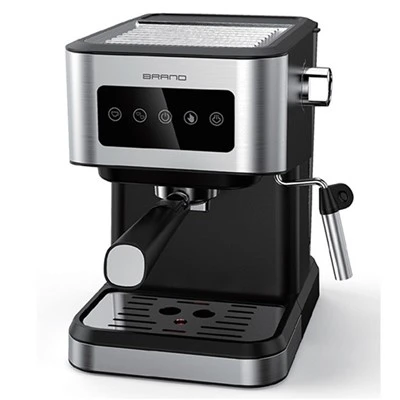
First, let’s keep it real: a cortado isn’t a latte, isn’t a macchiato, and definitely isn’t a straight shot of espresso. For anyone who’s maybe confused (we’ve all been there!), it’s a equal-parts drink—espresso and steamed milk, but wait, not the frothy stuff you put on lattes. The name “cortado” even comes from Spanish, meaning “cut”—like you’re cutting the bold espresso with a little milk to mellow it out. That’s key: it’s all about balance, not drowning the espresso or skimping on it. If you’re using our home espresso machines, you’ve already got the tools you need—you don’t need extra gear, just a good portafilter, a steam wand, and a small glass (we recommend a 4-5 oz one, not a big mug—size matters here!).
Let’s start with the prep stuff. First, pick your espresso beans. We usually suggest medium-dark roasts because they’re a little less acidic, which pairs way better with the milk. No need for super fancy single-origin stuff if that’s not your vibe—just whatever you love sipping straight. Next, make sure your home espresso machine is warmed up properly. If you’re one of our customers, you know we always say let it heat for at least 5 minutes before pulling a shot—cold machines mess with pressure, and that’s how you get a weak, watery shot. Also, grind your beans fresh right before. Pre-ground coffee is okay, but fresh ground makes a huge difference—we sell burr grinders as add-ons to your machine for a reason! Aim for a fine grind, kinda like table salt—too coarse and your shot runs way too fast, too fine and it’s clogged.
Now, the shot itself. This is where the machine does the heavy lifting. If you’re using a standard double shot basket (which most of our machines come with), you want about 18-20 grams of ground coffee in there. Tamp it down firmly, evenly—no lumps, or the water will go through weird spots, leading to uneven extraction. When you pull the shot, you’re looking for 2 ounces of espresso total, pulled in about 25-30 seconds. That golden crema on top? That’s the good stuff—if it’s light brown and thick, you did it. If it’s too thin, you overground; if it’s bitter and dark, under-extracted? Wait, no—wait, bitter is usually over-extracted. Yeah, if your shot is bitter and runs too fast, grind finer; if it’s sour and runs too slow, grind coarser. Got it.
Now the milk part, and this is where a lot of new home machine users mess up. You don’t need big, frothy milk for a cortado. You want steamed milk that’s silky, with a tiny bit of microfoam—no big bubbles, like what you see in a flat white but even less. First, use cold, whole milk. Skim is okay but whole milk has the fat that makes it creamy without being watery. Fill your steam wand pitcher about halfway—don’t overfill, because milk expands when steamed, and you don’t want it spilling all over your counter. Submerge the tip of the wand just below the milk’s surface, turn the steam on—you should hear a gentle “psst” sound, like little bubbles. That’s aerating, which adds the tiny foam. Once the milk is about an inch deep with that tiny froth, push the wand tip a little deeper, so it’s just under the surface, and heat it until it’s around 140-150°F. If it’s too hot, it burns the milk and makes it taste weird—you’ll know it’s too hot if you can’t hold your hand on the pitcher for more than a second. When it’s ready, tap the pitcher on the counter a couple times to pop any big bubbles, then swirl it around to make it super silky.
Now, the mix. Here’s the magic: equal parts espresso and milk. You pulled 2 oz of espresso, so you need 2 oz of that steamed milk. Pour the milk into the espresso slowly, but not too slow—you want to combine them, not just layer them. No latte art needed here, honestly—cortados are casual, the art part is bonus. If you do get a little swirl going, great, but it’s totally fine if it’s just a nice blended drink. The end result should be a light brown color, not too dark, not too light. Sip it right away—espresso drinks are best fresh, before the crema breaks down.
Wait, let’s throw in some common mistakes we see all the time from our home machine customers. First, using too much milk—if you make it half milk, half espresso, it’s just a latte, not a cortado. Second, over-frothing the milk—big bubbles make the drink taste foamy, not smooth. Third, not pre-heating the glass—if your glass is cold, the drink will get cold fast, and you’ll miss that creamy texture. Fourth, rushing the shot—pulling a shot in under 20 seconds means it’s under-extracted, sour and weak. Fifth, grinding old beans—stale coffee makes every drink taste off, so grinding fresh is non-negotiable.
If you’re still feeling a little lost, our team at the home espresso machine shop we run has tons of tips. We’ve even got a free cheat sheet for pulling cortados that you can grab from our site—just reach out, and we’ll send it right over. What’s cool about making a cortado at home is that you can adjust it to your taste. Like, if you like a little more espresso kick, go 1.5 oz espresso to 1 oz milk. If you like it creamier, 1 oz espresso to 1.5 oz milk. It’s all about what you like, not strict rules.
Let’s compare this to café cortados, too. A lot of cafés use commercial machines, which have more consistent pressure, but our home machines are pretty close—you just gotta adjust a little for your setup. We design our machines for home users, so they’re easy to clean, have good pressure, and the steam wand works for milk texturing—no need for a commercial-grade rig. That’s why so many people switch to home machines after paying $5 for a cortado every morning—you save money over time, and it’s just as good.
Another tip: clean your machine regularly. We tell all our customers to clean the portafilter and steam wand after every use, because old milk and coffee gunk ruins the taste of your drinks. If you let it build up, your shots will be off, and the steam wand won’t texturize milk right. It’s a 2-minute job, and it makes a huge difference.
So, to recap: 1) Warm up your home espresso machine for 5 mins, 2) Grind fresh coffee to table salt fineness, 3) Tamp evenly, pull a 25-30 sec double shot (2 oz), 4) Steam cold whole milk to 140-150°F with tiny microfoam, 5) Combine equal parts espresso and milk, pour into a small pre-warmed glass, 6) Enjoy!

If you’ve been thinking about getting a home espresso machine to make your own cortados (or other drinks), we’re here to help. Our machines are perfect for beginners and seasoned baristas alike, with easy-to-use controls and great pressure for perfect shots. Whether you’re replacing a old machine or starting from scratch, we’ve got options that fit every budget. To learn more, connect with our team to discuss what you need—we’re happy to answer questions about machines, accessories, and even more drink recipes. No pressure, just real talk about making better coffee at home.
Boiler Espresso Machine References:
- Specialty Coffee Association. (2022). Home Espresso Preparation Guidelines.
- International Coffee Organization. (2021). Milk Texturing for Home Coffee Drinks.
- The Coffee Foundation. (2023. Cortado: History and Proper Preparation.
Foshan City Moccona Electric Co., Ltd.
With abundant experience, we are one of the leading manufacturers and suppliers of home espresso machine in China. We warmly welcome you to buy bulk durable home espresso machine from our factory. If you have any enquiry about cooperation, please feel free to email us.
Address: Room 202, Building 16, Tongde Intelligent Manufacturing Park (TDIMP), No.9 Guizhou Avenue East, Shangjia Community, Ronggui Street, Shunde District, Foshan City, Guangdong Province
E-mail: tim@mocconaelectric.com
WebSite: https://www.mocconaelec.com/
