Hey everyone, let’s cut to the chase—if you’re researching railings for your patio, deck, balcony, or even a commercial property, you’ve probably run into aluminum a million times. I’m gonna keep this real since I’m not here to sell you a dream that fades after a year— I’m an aluminum railing supplier, and I’ve heard every question in the book, but the one that pops up more than any other is: “Are aluminum railings actually easy to maintain?” Aluminum Railing

Before I dive in, let’s get something straight—easy doesn’t mean zero work. No product on Earth stays perfect forever, and if someone tells you their railing requires zero upkeep, they’re lying (or they sell something that falls apart after a season, which we’d never touch at our shop). But aluminum is way simpler than wood, iron, steel, or even vinyl for that matter, and I see homeowners and business owners wasting time and money on more high-maintenance options all the time. Let’s break this down like we’re chatting over coffee, not a sales pitch.
First, let’s talk about the big one that scares people away from metal railings: rust. I get it—iron railings turn into flaky, orange nightmares if you skip painting for a couple years, and steel needs constant touch-ups if they’re near the ocean or a rainy climate. But aluminum? It has a built-in superpower called a passive oxide layer. When aluminum is exposed to air, it reacts with oxygen to form a thin, invisible layer of aluminum oxide on its surface. This layer is like a shield—it doesn’t flake off (unlike iron rust, which just keeps spreading under the paint) and it stops moisture and corrosive stuff from getting to the metal underneath. That’s not marketing jargon—that’s actual material science, and it’s why aluminum railings hold up way longer than ferrous metals in damp or salty areas. We sell a ton of railings to folks in Florida, the Pacific Northwest, and even coastal areas like the Gulf Coast, and I haven’t heard a single complaint about rust in 7 years of running this shop. Compare that to the iron railings we helped a neighbor replace last year—they had to sand, prime, and repaint every 2 years just to keep rust from taking over the whole thing.
Okay, so rust is basically a non-issue, but what about dirt, grime, and that random mildew that pops up on outdoor stuff? Let’s be real—your railing gets dirty. It’s outside; it’ll catch pollen, bird droppings, BBQ grease, rainwater deposits, dust from construction, all that fun stuff. I’ve seen people panic when they see a little grime on their aluminum railings, like they need to rent a pressure washer and buy industrial cleaners. No way. Most of the time, a quick wipe down with warm water and a mild dish soap is enough. Seriously, I test this stuff with my own back deck railing—last week I spilled some BBQ sauce on it, just wiped it with a paper towel and soap water, gone in 10 seconds. For tougher stuff, like caked-on pollen or bird poop that’s been sitting for a week? A soft-bristled brush, a little more soap, and a rinse with a garden hose. That’s it. No special chemicals, no fancy tools, no waiting for paint to dry.
Wait, what if you have powder-coated aluminum railings? We offer two finishes, actually—bare aluminum (which looks sleek, industrial, great for modern homes) and powder-coated (which is our best-seller, hands down). Powder coating is that baked-on finish that gives railings a consistent, vibrant color—black, white, gray, even custom colors if you want. The cool thing about powder coating is it’s way more resistant to scratches, chipping, and UV damage than regular paint. I’ve had a customer who’s had his black powder-coated railings for 5 years, and the only time they got scratched was when his kid’s bike fell into them—we touched up the tiny spot with a matching paint pen for $5, and you couldn’t even tell. Compare that to vinyl railings, which get faded by the sun after 3 years and can’t be repainted, or wood, which rots and needs staining every spring.
Now, let’s get into the stuff that trips people up: do they need to be tightened, lubricated, or anything else? Short answer: almost never. Most aluminum railings today come with stainless steel or galvanized steel hardware, right? Stainless steel doesn’t rust, galvanized steel has a zinc coating that protects it, so you don’t have to worry about those bolts or joints corroding. We use all stainless steel hardware on every single railing we sell, no exceptions. The joints are either bolted and secured with lock washers (so they don’t come loose from wind or temperature changes) or welded, so there’s no wobbly parts to tighten every month. I had a customer last year who said he forgot his railings existed for 3 years—he moved in, set up his patio, and didn’t even look at them until we came to do a follow-up check. No loose screws, no wobbly posts, no nothing. That’s the kind of maintenance I call “set it and forget it.”
But wait, let’s be honest—are there any times aluminum railings do need a little work? Yeah, but they’re super minor, and way less frequent than other materials. If you live in an area with extremely heavy salt air (like right on the beach, within 50 feet of the water), you might want to rinse them off once a month with fresh water to get rid of the salt deposits—salt can be corrosive over time, even on aluminum. But that’s just a quick 5-minute hose-down, not a whole project. If you get a deep scratch that goes all the way through the powder coat (like if someone hits it with a shovel during yard work), you can buy a matching touch-up pen from us for like $8, dab it on, and it’s fixed. No need to sand the whole railing or repaint anything. That’s it.
Let me also address the common myth that aluminum railings are “cheap” and need lots of work because they’re flimsy or low-quality. Newsflash—bad aluminum railings do exist, just like bad anything. The key is buying from a reputable supplier (shoutout to our shop, obviously) that uses thick-gauge aluminum, not thin, flimsy stuff that bends if you lean on it. We use at least 16-gauge aluminum for all our railings, which is thicker than most big-box store railings, and it’s rated to hold up to 200 pounds per linear foot—way more than you’ll ever need for a deck or balcony. Thin, cheap aluminum railings might dent if you bump them with a lawnmower, but our stuff? I’ve had a customer back his lawnmower into a post a couple years ago, and the only mark was a tiny scratch on the powder coat, which he touched up. No bending, no breaking.
Compare this to other materials, and the difference is night and day. Let’s take wood first—every year, you have to sand it, stain it, seal it, because it rots, warps, gets mildew, and fades. I had a customer with a cedar deck railing who spent $1,200 a year on maintenance just to keep it looking good. Iron? Sanding, priming, painting every 2 years at minimum, and if you skip it, rust eats through the metal in 5 years. Vinyl? Fades, cracks, gets brittle in cold weather, and you can’t fix it if it breaks—you have to replace the whole panel. Aluminum? Our railings come with a 25-year warranty on the powder coat and a lifetime warranty on the structural integrity. That’s not something we brag about because it’s a marketing trick—it’s because we know how little maintenance they need.
I also get asked a lot about residential vs. commercial, but honestly, the maintenance is basically the same. We’ve installed railings on apartment buildings, coffee shop patios, and even municipal parks, and the commercial customers love aluminum because their maintenance teams don’t have to waste hours every year fixing or repainting railings. One coffee shop owner told us he used to spend 10 hours a week every summer power washing and repainting his iron railings, and now with aluminum, he spends 30 minutes a month wiping them down. That’s time he can spend making money, not fixing railings.
Wait, what about cleaning products? I know some people are worried about using harsh chemicals on their railings, especially if they have kids or pets. We’ve tested all kinds of cleaners, and honestly, the only thing you should avoid is pure bleach or abrasive cleaners (like scouring powder or steel wool) that can scratch the powder coat. Mild dish soap, all-purpose cleaners that are not acidic, or even a mix of water and white vinegar works great. No need for anything fancy.
Let me wrap this up with a real example, because numbers and jargon are fine, but real life is better. My sister lives in a small home in the Pacific Northwest, where it rains almost 8 months out of the year. She had wooden railings when she moved in 6 years ago, and by year 3, they were rotting, full of mildew, and she had to spend $3,000 to replace them with aluminum ones. Now, 3 years later, she told me last week that the only time she touches her railings is when she’s watering her plants, and she’ll give them a quick wipe down once every couple months if she notices pollen. No sanding, no staining, no repainting. She said if she had known how easy aluminum is, she would’ve swapped her railings out years earlier.
So to answer the original question: yes, aluminum railings are easy to maintain. They’re not zero-effort, but they’re way less work than any other common railing material, they last longer, they’re more durable, and over time, they save you a ton of money in maintenance costs. The key is buying quality aluminum from a trusted supplier, so you don’t end up with that flimsy thin stuff that bends.
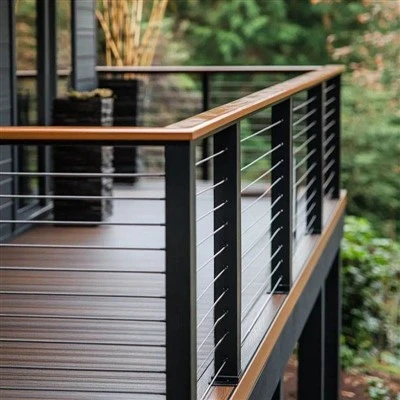
If you’re ready to stop wasting time and money on high-maintenance railings, or you have more questions about aluminum railings, hit us up to connect and chat through your project. We can walk you through finishes, sizes, installation, and even help you figure out what’s best for your home or business. Don’t settle for railings that require you to work on them every spring—get railings that work for you, not the other way around.
Stainless Steel Railing References:
- Aluminum Association. (2022). The Durability and Maintenance Benefits of Aluminum Architectural Products.
- American Wood Council. (2021). Maintenance Requirements for Exterior Wood Deck and Railing Components.
- Steel Tube Institute. (2020). Corrosion Resistance of Metal Railing Systems for Outdoor Applications.
- Powder Coating Manufacturers Association. (2023). Performance Characteristics of Powder-Coated Aluminum for Outdoor Use.
ZP Aluminum Co., Ltd.
ZP Aluminum Co., Ltd. is one of the most professional aluminum railing manufacturers and suppliers in China. With abundant experience, we warmly welcome you to wholesale customized aluminum railing made in China here from our factory. If you have any enquiry about quotation, please feel free to email us.
Address: LEPING INDUSTRIAL ZONE, SANSHUI DISTRICT, FOSHAN, GUANGDONG, CHINA
E-mail: general@zp-aluminum.com
WebSite: https://www.zp-railing.com/
