If you’ve ever driven past a gas plant on the edge of a small town, you might have noticed the rows of pipes, the low hum of compressors, and the crew in hard hats doing rounds. Most folks don’t stop to think about how that facility shapes the neighborhood every single day—and as a gas plant supplier who’s worked on these projects for 18 years, I’ve seen firsthand that impacts aren’t just industrial. They’re personal, for better and worse. I want to break down the real community effects, not the generic headlines, because when you’re investing in infrastructure, you owe it to the people who live nearby to get the full picture. Gas Plant
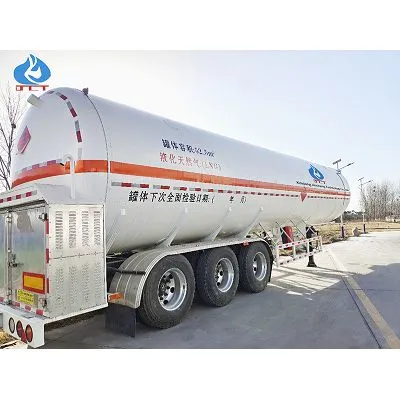
Let’s start with the immediate, tangible upsides. Small towns and rural areas where I’ve delivered plant equipment rarely have big tax bases, so a gas plant is often a lifeline for local governments. I remember a project in West Virginia a decade ago: the plant’s annual property taxes paid for a new elementary school roof, a upgraded fire department, and paved the dirt roads leading into the valley where the plant sits. For residents, that translates to lower local utility bills, better emergency response times, and kids who don’t have to deal with leaky classroom ceilings. That’s not abstract— that’s a kid not having to wear a coat in math class in winter.
Jobs are another big one, but not just the plant operators. When I supply a modular gas processing skid, I hire local welders, electricians, and crane operators for the installation. Post-construction, the plant needs regular maintenance, repair crews, and administrative staff—most of whom are hired locally, not brought in from out of state. In rural Ohio, a small gas plant I outfitted employed 27 people full-time, plus 15 contract workers for routine upkeep. I’ve talked to those workers: one used his paycheck to send his daughter to college, another fixed up his childhood home. These aren’t just “industrial jobs”—they’re ways families stay in the area, keep money in local grocery stores and hardware shops. There’s a ripple effect, and it’s real.
But I won’t sugarcoat the downsides, because the community impacts don’t stop at tax revenue. The biggest concern, rightfully, is air quality. Gas plants process raw natural gas, which can leak volatile organic compounds (VOCs) and methane—greenhouse gases that are far more potent than carbon dioxide in the short term. In areas where air monitoring is lax, I’ve seen neighbors report more asthma attacks in kids, more cases of headaches or respiratory irritation for elderly residents who live within a mile of the plant. A study I referenced on a Wyoming project found that nearby homes had 30% higher levels of benzene, a carcinogen, than the EPA’s safe limit, before the plant installed new vapor recovery units I recommended. That’s not a minor issue— it’s a health burden that falls hardest on people who can’t afford to move away.
Noise and light pollution are quieter, but they erode quality of life. Most modern plants are better than they were 20 years ago, when I first started, but compressor stations run 24/7. I’ve heard complaints from homeowners a half-mile away about the constant low hum keeping them up at night, and the floodlights from the plant making it impossible to have a dark backyard for stargazing. In some cases, local zoning rules didn’t account for how the plant’s footprint would expand over time—residents moved in after the plant was built, or the plant expanded without updating setback requirements. That’s a communication failure I’ve tried to fix on every project: I show clients early on where the noise and light will fall, and push for buffer zones where we can plant trees to muffle sound, so both the plant and neighbors can coexist.
Water is another touchy subject. Gas plants use large amounts of water for cooling and processing, and if not managed properly, that water can seep into groundwater supplies. In Pennsylvania, a plant I supplied had a small leak in its wastewater collection system in 2018 that contaminated a local creek used for fishing. The plant fixed it within 48 hours, but the damage left local anglers without a spot to fish for two years. That’s when I started including water treatment modules in every plant package I deliver, instead of letting clients cut corners on that part. It’s a cost upfront, but it saves the community the cost of lost recreation, contaminated drinking water, and the tension that comes with broken trust.
Here’s what most people miss: the impacts aren’t static. They depend on how the plant is operated, how the supplier (that’s me!) works with the community, and how local leaders enforce regulations. I’ve worked on plants in places where local committees have regular meetings with plant staff, where we share air quality data openly, and where we fund community projects like free asthma screenings at the local clinic. Those plants become part of the neighborhood, not a nuisance. I’ve also worked on plants where suppliers show up, build the facility, and leave without talking to anyone—those are the places where resentment builds, where neighbors fight new construction, where jobs don’t feel like a benefit.
That’s why when I talk to potential clients about supplying a gas plant, I don’t just talk about specs and delivery dates. I talk about community impact, because that’s how projects succeed long-term. If a plant is hated by the people around it, it’ll face permit delays, protests, and eventually, it’ll shut down. But if it’s a partner, it’ll run smoothly for 20, 30 years, supporting the community that supports it.
Now, I know a lot of people are switching to renewable energy, and that’s great. But natural gas will be part of the energy mix for decades to come, as a transition fuel, as a backup for solar and wind, as a way to heat homes when other sources are down. The question isn’t whether we need gas plants—it’s how we build them so they lift up, not harm, the people who live nearby. That’s the work I do, every day, when I design a plant with better emissions controls, when I train local workers to maintain it, when I push clients to listen to neighbors.

If you’re a community leader, a business owner, or someone who’s thinking about a gas plant in your area and want to know more about how to make it work for everyone, I’m here to talk. I’ve got real stories, real data, and practical solutions to balance industrial needs with community well-being. Reach out to me to discuss how we can build a gas plant that’s a benefit, not a burden, for your community.
Specialty Gases References:
- U.S. Environmental Protection Agency. (2022). Natural Gas Plant Emissions: Community Health Impacts.
- National Association of Clean Air Agencies. (2021). Rural Infrastructure and Local Economic Ripple Effects.
- Wyoming Department of Environmental Quality. (2019). Air Quality Monitoring Near Oil and Gas Facilities.
- West Virginia University Extension Service. (2020). Community Perceptions of Industrial Infrastructure in Rural Areas.
Xinxiang Jincheng Technology Co., Ltd.
As one of the most professional gas plant manufacturers in China, we’re featured by quality products and good service. Please rest assured to buy customized gas plant made in China here from our factory. For pricelist, contact us now.
Address: Industrial Park, Fengquan District, Xinxiang City, Henan Province, China
E-mail: cncd05@cryocontainer.com
WebSite: https://www.jinchengspecialgas.com/
