Hey there! I’m a supplier of Commercial & Industrial Energy Storage Systems (CIESS). Today, I wanna chat about how these energy storage systems interact with backup generators. It’s a topic that’s super important in the world of commercial and industrial energy management, and I’ve seen firsthand how the right combination can make a huge difference for businesses. Commercial & Industrial Energy Storage Systems
The Basics of CIESS and Backup Generators
Let’s start with the basics. Commercial and Industrial Energy Storage Systems are designed to store electrical energy for later use. They can be charged during periods of low electricity demand or when there’s a surplus of renewable energy, like solar or wind. Then, when demand is high or the grid goes down, the stored energy can be discharged to power the facility.
On the other hand, backup generators are typically fueled by diesel, natural gas, or propane. They kick in when there’s a power outage to provide emergency power. They’re reliable in the short term but can be expensive to operate and maintain, not to mention the environmental impact of burning fossil fuels.
Why Combine CIESS and Backup Generators?
You might be wondering why we’d even want to combine these two technologies. Well, there are a few key reasons.
First, cost savings. CIESS can help reduce a business’s peak electricity demand. Peak demand charges are a big part of many commercial and industrial electricity bills. By using stored energy during peak hours, a company can avoid those high charges. And when the stored energy in the CIESS runs low, the backup generator can step in, but only as needed. This means the generator doesn’t have to run continuously, which saves on fuel and maintenance costs.
Second, reliability. The combination of CIESS and backup generators provides a more robust power supply. In the event of a power outage, the CIESS can provide almost instantaneous power, bridging the gap until the backup generator starts up. This is crucial for businesses that can’t afford even a short interruption in power, like data centers or hospitals.
Third, environmental benefits. Since the CIESS can handle a significant portion of the power needs, the backup generator doesn’t have to run as often. This reduces emissions of greenhouse gases and other pollutants associated with fossil fuel combustion.
How They Work Together
Now, let’s get into the nitty – gritty of how these two systems interact.
When the power grid is up and running smoothly:
- The CIESS can be charged using off – peak electricity. Off – peak electricity is usually cheaper, so it’s a cost – effective way to store energy. The system uses advanced battery management systems (BMS) to ensure the batteries are charged safely and efficiently.
- Meanwhile, the backup generator is in standby mode. It’s regularly maintained to make sure it’s ready to go when needed.
During peak electricity demand periods:
- The energy management system (EMS) in the CIESS monitors the power consumption of the facility. When it detects that the demand is approaching a peak level, it starts discharging stored energy.
- If the stored energy in the CIESS is not enough to meet the demand, the EMS then sends a signal to start the backup generator. The generator starts up and adds its power to the system to make up the difference.
In the event of a power outage:
- The CIESS senses the loss of grid power almost immediately. It switches to "island mode" and starts supplying power to critical loads within milliseconds. This prevents any disruption to essential operations.
- At the same time, the backup generator starts up. Once it reaches a stable operating state, the power management system can transfer some of the load from the CIESS to the generator. This allows the CIESS to recharge if needed, or it can continue to support the remaining critical loads.
Real – World Examples
I’ve seen this combination work wonders in many different industries. Take a manufacturing plant, for example. A large manufacturing facility has a lot of heavy machinery that requires a significant amount of electricity. During normal operation, the CIESS can be charged at night when electricity is cheap. Then, during the day when production is at its peak, the stored energy can be used to power the machinery. If there’s a sudden increase in demand or a power outage, the backup generator can step in. This setup has helped many manufacturers reduce their electricity costs and improve the reliability of their power supply.
Another example is a shopping mall. Malls are constantly open and have a high demand for lighting, HVAC systems, and escalators. The CIESS can help manage the peak load during the day, and the backup generator provides peace of mind in case of a power outage. This ensures that the shopping experience is uninterrupted, and the mall can keep its doors open even during challenging power situations.
Challenges and Considerations
Of course, integrating CIESS and backup generators isn’t without its challenges.
One challenge is the initial cost. Both CIESS and backup generators are expensive to purchase and install. However, the long – term savings in electricity costs and the improved reliability often justify the investment.
Another consideration is the maintenance. The CIESS needs regular monitoring of its battery health, and the backup generator requires its own maintenance schedule, including fuel checks, oil changes, and component inspections.
Also, the compatibility of the two systems is crucial. The EMS must be able to communicate effectively between the CIESS and the backup generator to ensure seamless operation.
Conclusion
In conclusion, the interaction between Commercial & Industrial Energy Storage Systems and backup generators is a powerful combination for businesses. It offers cost savings, reliability, and environmental benefits. If you’re a business owner or an energy manager, I highly recommend considering this setup for your facility.
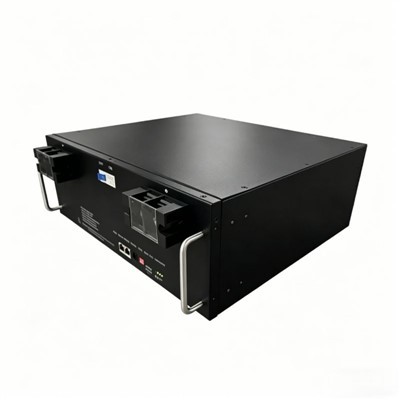
Outdoor Battery Cabinet If you’re interested in learning more about how our Commercial & Industrial Energy Storage Systems can work with your backup generators or if you want to start a conversation about procurement, don’t hesitate to reach out. We’re here to help you find the best energy solution for your specific needs.
References
- Kempton, W., & Tomić, J. (2005). Vehicle – to – grid power implementation: From stabilizing the grid to supporting large – scale renewable energy. Journal of Power Sources, 144(1), 280 – 294.
- Denholm, P., & Kulcinski, G. L. (2004). Integration of storage technologies with large – scale solar power in the southwestern United States. Energy, 29(1), 95 – 115.
- Lund, H., & Salgi, P. (2009). Energy system analysis of 100% renewable energy systems – the case of Denmark in year 2030. Energy, 34(5), 524 – 531.
Tianjin Xilingke New Energy Technology Co., Ltd.
Address: Suite 2601, Tower B, Wanghai International, Haihe East Road, Hebei District, Tianjin, China.
E-mail: robin@sinelinkev.com
WebSite: https://www.sinelinkenergy.com/
