If you’ve ever stood in a hardware store aisle, staring at dozens of electric wire spools with labels like “outdoor-rated,” “UF-B,” or “USE-2,” you’re not alone. When I started in the electric wire supply business 18 years ago, I used to grab the cheapest outdoor wire and hope it held up. I learned fast: using the wrong wire for outside applications isn’t just a small mistake—it can lead to frayed wires, overheating, or even safety hazards that cost homeowners and contractors time and money. As a supplier who works directly with electricians, landscapers, and residential builders every day, I’ve seen it all. Today, I’m breaking down exactly what type of electric wire you need for outdoor use, why it matters, and how to pick the right one for your project. Electric Wire
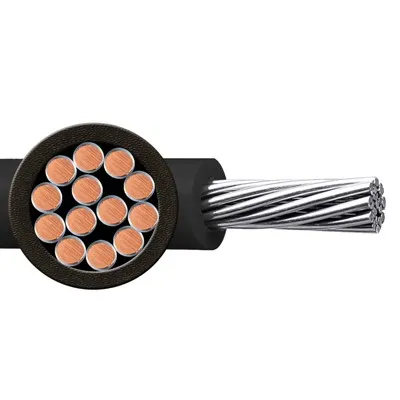
First, let’s talk about the biggest differences between outdoor and indoor wire. Indoor wire is made for dry, controlled environments—think walls, attics, or basements where temperature swings are minimal and there’s no direct moisture or UV exposure. Outdoor wire, on the other hand, has to endure way more: extreme heat, cold, rain, snow, sunlight (UV rays break down plastic insulation over time), even occasional contact with soil or small animals. Cheap indoor wire left outside will crack, fray, or lose insulation protection in a matter of months, if not weeks. That’s why every outdoor wire is rated for specific use cases, and matching that rating to your project is non-negotiable.
Let’s start with the most common type I supply: UF-B wire, short for “Underground Feeder, Type B.” This is the workhorse of outdoor wiring, and for good reason. It’s specifically designed to be buried directly in the ground, no conduit required, which saves a ton of time and labor for contractors and DIYers alike. Unlike old-style underground wire that needed a protective pipe, UF-B has a tough, weather-resistant outer jacket that can handle direct soil contact, moisture, and temperature shifts from -40°F to 90°F. It’s available in 14-gauge for small projects like landscape lighting, 12-gauge for outdoor receptacles or small appliances, and 10-gauge for things like outdoor hot tubs or large air conditioning units. The key here: UF-B is only for underground use, or for above-ground applications where it won’t be exposed to direct sunlight. If you run UF-B above ground, the UV rays will break down the jacket in a year or two. I’ve had customers come back to me years later saying their landscape lighting wire was perfect—until they strung a cheap UF-B above their patio and it crumbled by summer. That’s a mistake I see all the time.
Next up: USE-2 wire, or “Underground Service Entrance, Type 2.” This is a step up from UF-B, and it’s my go-to for above-ground outdoor runs. Why? It’s rated for direct exposure to sunlight, so you can run it along the side of a house, over a porch, or between outbuildings without worrying about UV damage. It’s also moisture-resistant, so it works for wet areas like poolside wiring or outdoor fountain connections. The big difference between USE-2 and UF-B is their insulation: USE-2 has a thicker, UV-stabilized jacket that stands up to sun exposure, while UF-B is not. That doesn’t mean UF-B is bad—just not for above-ground. I often tell contractors: use UF-B for buried lines, USE-2 for anything exposed above ground. Both are rated for direct burial too, but I don’t recommend running USE-2 underground if you don’t have to—UF-B is cheaper and works just as well for that.
Then there’s NM-Wire, the outdoor cousin of NM-B indoor wire. Wait, no—wait, not all NM is outdoor-rated. Actually, NM-W is “Non-Metallic Sheathed, Wet Location,” and it’s a middle ground, but you have to be careful with it. NM-W is meant for wet or damp above-ground areas, like covered patios or open porches that don’t get direct rain, but it’s not rated for direct burial. It’s cheaper than USE-2, but not as durable for long-term outdoor use. I usually only recommend NM-W for small, temporary projects, like a seasonal outdoor holiday light setup. If you’re doing a permanent outdoor run, spend the extra few dollars on UF-B or USE-2—you’ll save yourself the hassle of replacing it every few years.
Now, let’s get into specific project types, because wire choice changes depending on what you’re wiring. For landscape lighting—small, low-voltage runs, usually 12 volts or less—most of my customers use 14-gauge UF-B. It’s buried 6 to 12 inches deep, which is enough to protect it from being damaged by lawn tools or foot traffic. Wait, but what about low-voltage landscape wire that’s thinner? Yeah, that’s fine for small light sets, but for anything over 10 lights or long runs (more than 100 feet), I still recommend a heavier gauge UF-B. Thinner wire can cause voltage drop, meaning your lights will be dim at the end of the run—something a lot of DIYers miss, and they call me frustrated because their new landscape lights aren’t working right.
For outdoor receptacles, like those on a covered porch or garage wall, you’ll need 12-gauge USE-2, run through a conduit if it’s above ground. Wait, conduit—let’s talk about conduit, because even the right wire needs protection if it’s run above ground or in areas where it could be damaged. Conduit is a plastic or metal pipe that covers the wire, adding an extra layer of protection. I supply PVC conduit for most residential projects—it’s cheap, weather-resistant, and easy to work with. Metal conduit is sturdier, good for areas where there’s heavy traffic or risk of impact, but it’s more expensive. If you run USE-2 wire through conduit along your house, that’s a great setup—extra protection from sun damage and accidental knocks from lawn furniture or tools.
For underground pools or hot tub wiring—this is a critical one, and the stakes are high. I always recommend 10-gauge UF-B, buried at least 18 inches deep (check your local electrical code, because that’s non-negotiable—codes vary a little by state). Pool wiring has to be moisture-resistant, and UF-B is perfect, but you also need to make sure it’s not run within 10 feet of the pool without a GFCI breaker—another code rule that I help customers navigate all the time. I’ve had a couple of electricians come to me after a bad pool install, where they used indoor wire and it corroded within a year. Don’t cut corners here—use the right UF-B, bury it deep, and follow code.
What about older homes or retrofits? If you’re adding a new outdoor circuit to an old house, you might encounter aluminum wire. Wait, aluminum outdoor wire is a thing, but it’s not as common these days. Aluminum wire is lighter than copper, so it’s sometimes used for underground runs, but it’s more prone to corrosion and needs special connectors. That’s why I mostly supply copper wire for outdoor projects—copper is more conductive, less likely to corrode, and easier to work with. Unless you’re on a tight budget and the run is very long, I’d steer clear of aluminum for permanent outdoor wiring. It’s not worth the fire risk or replacement cost.
Now, let’s talk about what to avoid. One of the most common mistakes I see is using indoor NM-B wire for outdoor projects. NM-B is rated for dry locations only, so if you leave it outside, even under a patio cover, moisture will seep into the insulation, causing it to break down. I once had a homeowner bring me a spool of NM-B that he’d run along his deck—after one winter, the insulation was soft and crumbling, and he had to dig it all out and start over. That cost him twice as much as if he’d bought USE-2 in the first place. Another mistake: buying cheap, unbranded outdoor wire from a big-box store. A lot of that wire is made with thinner insulation or lower-grade copper, which doesn’t meet national electrical standards. I only supply wire that’s UL-listed, which means it’s been tested to meet safety standards for outdoor use. Never buy wire that doesn’t have a UL label—It’s not worth the risk.
As a supplier, I also work with customers on sizing the wire correctly. Wire gauge is super important—too thin for the load, and you’ll get voltage drop or overheating. For example, if you’re running a 15-amp circuit for outdoor receptacles, 14-gauge wire is too thin—you need 12-gauge. For a 20-amp circuit, same thing: 12-gauge, not 14. For larger loads, like a 50-amp circuit for a hot tub, you’ll need 6-gauge UF-B. I always ask customers about the load they’re planning, how far the run is, and if it’s buried or above ground, so I can point them to the right size and type. I don’t push the most expensive wire—just the right one for their job.
Another question I get all the time: can I use waterproof wire for outdoor use? The short answer is: most outdoor wire already is waterproof. The insulation on UF-B and USE-2 is moisture-resistant, so you don’t need extra waterproofing, as long as it’s installed correctly. If you’re running a connection between two wires, use a waterproof connector, not electrical tape—tape will come loose in the rain, exposing the connection. That’s a small detail, but it’s one that prevents a lot of problems.
Now, let’s wrap this up with what I tell every customer who walks in or calls: don’t guess. Pick the right wire type based on where it’s going (buried vs. above ground) and the project’s load, make sure it’s UL-listed, and follow local electrical codes. If you’re not sure, ask an electrician or a reputable supplier— that’s me, by the way. I’ve been in this business long enough to spot a bad choice before it becomes a big headache.
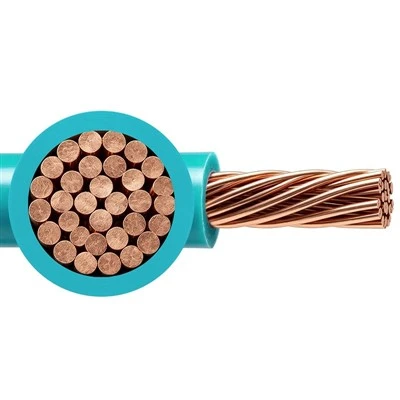
If you’re planning an outdoor wiring project, whether it’s landscape lighting, a new outdoor receptacle, pool wiring, or a garage connection, I have the right UL-listed outdoor wire, conduit, and connectors for every job. I work with electricians, contractors, and homeowners alike to find the right product at a fair price, and I can help you navigate local electrical codes to make sure your install is safe and code-compliant. Reach out to my team to discuss your project, get a free quote, or ask any questions you have about what wire is best for your needs. We’re here to help you get it right the first time, so you don’t have to deal with headaches later.
Power Cable Low Voltage References:
- National Electrical Code (NEC), Article 310 (Conductors for General Wiring), Article 340 (Underground Feeder and Branch-Circuit Cables)
- Underwriters Laboratories (UL) Standard 83 (Wire and Cables)
- Electrical Construction Maintenance (EC&M) Magazine: Outdoor Wiring Best Practices, 2022
- International Association of Electrical Inspectors (IAEI): Outdoor Wiring Safety Guidelines, 2021
Yangzhou Huayu Cable Co., Ltd.
Yangzhou Huayu Cable Co., Ltd. is one of the most professional electric wire manufacturers and suppliers in China, also supports customized service with low price. Please feel free to wholesale advanced electric wire made in China here from our factory. Contact us for pricelist.
Address: No.9 Jingang Road, Yangzhou City, Jiangsu Province, China
E-mail: info@huayucabletech.com
WebSite: https://www.huayucabletech.com/
