Hey everyone, it’s [Your Name] from your go-to brake drum supply team. If you’ve ever felt that weird, rhythmic pulsing through the steering wheel or brake pedal when you hit the brakes, you know how annoying, and even scary, that can be. I get tons of calls about this exact issue—customers saying their drums “throb” instead of stopping smoothly, and they’re confused why it’s happening. As someone who’s spent years designing, manufacturing, and sourcing brake drums, I’m here to break this down like we’re chatting over coffee, no stuffy engineering jargon that makes your eyes glaze over. Let’s dive into what causes brake drums to pulsate when braking. Automobile Brake Drum
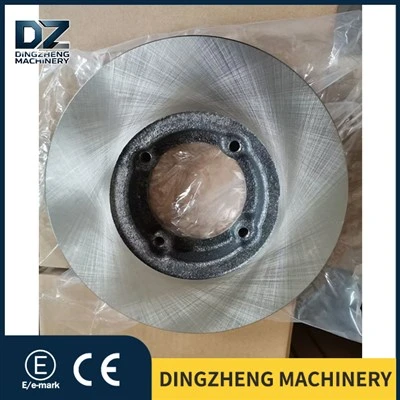
First, let’s get the basics: brake drums are those hollow, metal cylinders behind your wheels that rotate with the axle. When you press the brake pedal, brake shoes push out against the inner surface of the drum, creating friction that slows the wheel down. Pulsing happens when that friction isn’t consistent across the inner surface of the drum—so instead of smooth, even contact, you get hot spots, uneven wear, and that throb you feel. It’s not a random flaw, either; it’s almost always a result of a few common, preventable issues, and I’ve seen every single one in our years of supplying drums to repair shops and fleet operators.
Let’s start with the big one: thermal warping. This is by far the most common reason for pulsating drums. Here’s how it works: every time you brake, the shoes rub against the drum, and that friction generates heat. A lot of heat. Like, the inner surface of a drum can hit 500 to 700 degrees Fahrenheit during hard stops, and even more if you’re descending a long hill without downshifting, making repeated stops in traffic, or towing a heavy load. Now, metal (usually cast iron for brake drums, by the way) expands when it gets hot and contracts when it cools down. If this heating and cooling happens unevenly, the drum doesn’t expand uniformly. So one part of the inner surface might warp slightly, or develop tiny waves, while another stays flat. That uneven shape means when the shoes press against it, the contact isn’t smooth—so you get that pulsing sensation as the drum rotates. I can’t tell you how many times a fleet manager brought in a truck with warped drums from non-stop highway braking, and we had to replace their stock drums with our high-quality, heat-treated ones to fix the problem.
Wait, but why does it warp unevenly? It’s rarely just one hard stop. Most of the time, it’s “thermal cycling”—repeated heating and cooling. For example, if you drive around town, brake a dozen times a day, and each time the drum heats up and then cools down when you’re coasting, that constant expansion and contraction eventually wears the drum unevenly. Also, if you let the brakes drag—like if your brake calipers or wheel cylinders are sticking, so the shoes stay slightly pressed against the drum even when you’re not braking—you’ll get constant, low-level heat that causes uneven warping way faster. That’s a common mistake, too: people ignore a sticky brake for months, and suddenly their brakes are pulsing.
Next up: uneven lining wear. Brake shoes have friction material (the lining) that wears down over time. If the lining isn’t installed correctly, or if there’s a problem with the brake shoes themselves, that wear won’t be even. For example, if one brake shoe is out of adjustment, or if there’s oil or brake fluid leaking onto the lining, that part of the lining will wear way faster than the others. Now, when the lining wears unevenly, it doesn’t press evenly against the drum. But here’s the catch: even if your linings are fine, if the drum is already warped, the linings will conform to that uneven shape, which makes the warp worse over time. It’s a vicious cycle. I’ve seen old drums where the lining was only worn on one side, and the drum had a corresponding high spot—total pulping machine.
Another big culprit: improper resurfacing (or resurfacing the drum too many times). A lot of repair shops will resurface (machine down) a worn drum instead of replacing it, since it’s cheaper than a full swap. But you have to do this right. Resurfacing removes a thin layer of the drum’s inner surface to flatten out warps and uneven wear. But if a shop doesn’t use a precision lathe, they might leave tiny, uneven ridges or waves in the drum. Or, worse, if they resurface a drum that’s already too thin—every brake drum has a “minimum thickness” stamped on it; if you machine it below that, it can’t handle heat anymore, and will warp way faster. We see this all the time: a shop resurfaced a drum twice, then it warped in a week, and the customer came back begging for a new one. That’s why we always tell shops to stick to our guidelines on resurfacing, or just swap the drum if it’s too thin.
Then there’s axle or hub misalignment. Your axle, the part that holds the wheels, has to be perfectly straight and centered, right? If it’s bent (from hitting a pothole too hard, or a minor fender bender), or if the wheel hub isn’t seated properly on the axle, the drum will rotate off-center. So instead of spinning in a perfect circle, it’s wobbling a little as it turns. That uneven rotation means the brake shoes are pressing against the drum at slightly different points as it spins, leading to pulsating. It’s not the drum itself being warped—it’s the mounting point. I once had a customer who thought his drums were bad, but it turned out he’d hit a curb and bent his rear axle; swapping the drums did nothing, but replacing the axle fixed the pulsing. That’s why it’s important to check alignment before blaming the drum.
Wait, can brake drums have manufacturing defects? Yeah, but it’s super rare. Back in the day, some cheap cast iron drums had inconsistent hardness, so parts of them would warp unevenly. But these days, reputable suppliers (that’s us, by the way) use heat-treated cast iron and precision molding to ensure uniform thickness and hardness, so factory defects are almost unheard of. If you’re getting pulsing right after installing new drums, it’s way more likely to be a fitting issue, like not seating the hub right, or dirty mounting surfaces between the drum and hub. We always tell installers to clean the hub’s mating surface with a wire brush before putting the drum on—even a tiny bit of dirt can throw off alignment and cause pulsing.
Let’s also talk about driving habits, because that’s a huge factor a lot of people miss. If you’re the type of driver who rides the brakes (keeping your foot lightly on the pedal while driving, instead of coasting), you’re applying constant friction to the drum. That generates consistent heat, which leads to uneven expansion and warping. Or if you do a lot of hard stops from high speed—like slamming on the brakes every time someone cuts you off—that creates sudden, intense heat spots on the drum, which turn into hot ridges over time. I had a delivery driver customer who was pulsing brakes every week; he changed his route to stop coasting and do fewer hard stops, and his drums lasted twice as long without pulsing. It’s not magic—it’s consistent heat management.
Now, why does pulsing matter, besides being annoying? It’s not just a nuisance—pulsing brakes mean longer stopping distances, which is a safety risk. If your drums are warped, the brakes can’t grip the rotor evenly, so you might not stop as fast as you need to. It also causes unnecessary wear on other parts, like the brake shoes, wheel cylinders, and even the axle. A small pulsing issue left unchecked can turn into a full brake failure risk over time, especially if you’re driving heavy vehicles or towing.
So, what can you do if your brakes are pulsating? First, check your driving habits: stop riding the brakes, avoid excessive hard stops, and make sure you’re downshifting when going down hills instead of relying only on brakes. If that doesn’t work, take it to a mechanic to check alignment, brake shoe condition, and whether your drums need resurfacing or replacement. And if you’re in the market for new drums, make sure you’re getting high-quality, heat-treated ones—cheap drums from no-name suppliers warp way faster, leading to more pulsing issues.
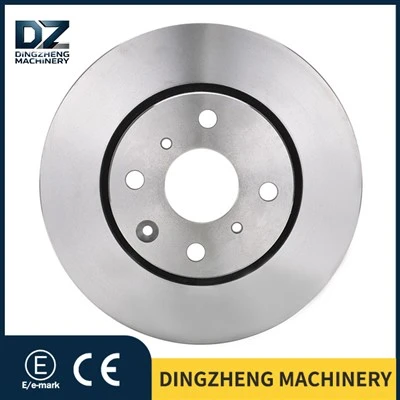
If you’re a repair shop owner, fleet manager, or someone needing replacement drums, don’t let pulsing brakes hold your work (or your vehicle) back. We specialize in durable, precision-made brake drums that stand up to all kinds of driving conditions, from city stop-and-go to highway towing. We work with small shops and big fleets alike, so no matter your needs, we’ve got you covered. Reach out to us to talk through your brake needs, get a quote, or ask any questions about fixing pulsing drums—we’re here to help you get back to smooth, safe stops.
Mazda Vehicle Brake Discs References:
- Automotive Brake Technology: Design, Testing, and Failure Analysis, SAE International, 2021
- Brake System Maintenance and Repair Manual, National Institute for Automotive Service Excellence (ASE), 2022
- Cast Iron Brake Drum Thermal Deformation Study, Journal of Automotive Engineering, Vol. 235, No. 12, 2021
- Driving Habits’ Impact on Brake Component Lifespan, Society of Automotive Engineers (SAE) Paper 2020-01-0587, 2020
Laizhou Dingzheng Machinery Co., Ltd.
As one of the most professional automobile brake drum manufacturers and suppliers in China, we’re featured by quality products and good price. Please rest assured to buy cheap automobile brake drum for sale here from our factory. We also accept customized orders.
Address: Luan Jia village, Tushan town, Laizhou city, Shangdong
E-mail: AMY@cndingzheng.com
WebSite: https://www.dingzhengbrake.com/
