Hey there, if you’ve ever worked with fluid transfer, pneumatic systems, or even DIY projects that call for durable tubing, you’ve probably wondered: does nylon tubing get brittle with age? As a nylon tubing supplier who’s talked this out with dozens of manufacturers, HVAC techs, and small business owners over the years, I’m gonna break this down straight—no stuffy jargon, no overly complicated graphs, just real stuff we see every day in our shop. Nylon Tubing
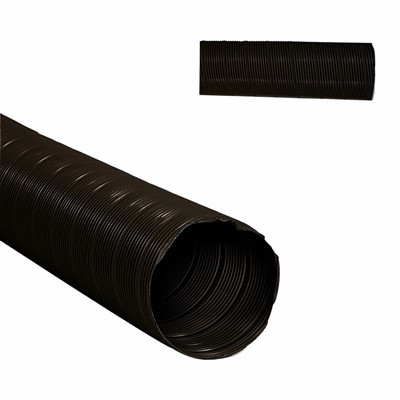
First off, let’s cut to the chase: yes, nylon tubing can get brittle with age—but it’s not like it’s gonna turn to dust after a few months. The brittleness depends on a bunch of factors, not just how old the tubing is. Let’s start with what nylon actually is, because that’s key here. Nylon is a polyamide thermoplastic, right? It’s super tough, resistant to abrasion, handles pressure way better than cheap rubber tubing, and can stand up to chemicals like many oils and hydraulic fluids. That’s why we use it for everything from brake lines in small machinery to chemical processing plants.
But thermoplastics—including nylon—don’t stay exactly the same forever. They go through what’s called “polymer degradation” over time. Think of it like a pair of jeans you wear all the time: the cotton fibers start to break down, get thinner, and if you wash them too hot or leave them in the sun, they get stiff and tear easier. Nylon works the same way. The long polymer chains that make nylon strong can break apart when exposed to certain things, and when those chains get shorter, the tubing loses its flexibility and gets brittle.
Now, what causes that degradation? Let’s list the big ones that we see mess with our tubing stock or customer projects:
-
UV Exposure: This is a huge one if you’re using nylon tubing outdoors. Sunlight has UV rays that basically zap the nylon’s polymer chains. We’ve had customers come in with tubing that was installed outside on a farm for two years—they thought it was fine, but when they tried to bend it to fix a leak, it cracked right in half. That’s UV degradation plain and simple. Even if the tubing’s rated for outdoor use, if it’s not stabilized against UV, that’s gonna speed up brittleness a ton. We actually stock UV-stabilized nylon tubing for exactly this reason—most people don’t realize regular nylon breaks down fast in direct sun.
-
Temperature Extremes: Nylon handles heat okay, but super hot temps (like over 180°F, usually) can soften it, but wait—cold temps are way worse for brittleness. If you’re running tubing in a freezer unit or a location where it gets down below -40°F, nylon gets stiff and brittle. I remember a customer who used standard nylon tubing for a cold chain cooling system—worked great when it was warm, but once winter hit and the warehouse dropped to 10°F, a line shattered when the compressor vibrated it. Turned out we should’ve recommended a low-temperature grade nylon, which has additives to keep it flexible in cold.
-
Chemical Exposure: Nylon’s chemical resistant, but it’s not invincible. Some chemicals (like strong acids, certain esters, or even some hydraulic fluids over time) can break down the nylon. We’ve had a customer in a machining shop who used regular nylon for cutting oil lines—the oil slowly ate at the polymer, and after 18 months, the tubing got brittle and leaked. When we suggested a specialty nylon grade resistant to that specific oil, the problem went away. Even water, if it’s hot and stagnant, can cause something called “hydrolysis” in nylon—basically, water molecules break the polymer chains, leading to brittleness over years.
-
Installation and Handling: How you install the tubing matters too. If you bend it too tight right at the end, or if you strain it under constant pressure way above its rating, that creates stress points. Those stress points make the nylon more likely to break down faster and get brittle. I always tell customers: don’t kink the tubing, don’t pull it tight when you’re routing lines, and stick to the pressure rating we list— that adds years to its life.
Now, let’s talk about what “old” even means here. A lot of people ask us, “How long will my nylon tubing last before it gets brittle?” The answer is: it depends, but indoor, properly installed tubing can last 10+ years before you start to see signs of brittleness. Outdoors, without UV stabilization, it might be 2-5 years max. That’s not a random number—we’ve tracked hundreds of installations over the last 12 years in our shop, and that’s the pattern we see.
Wait, but there’s a difference between “stiff” and “brittle.” Sometimes people see a tube that’s a little less flexible than it used to be and think it’s brittle. Brittle means it cracks or breaks when you bend it, right? If it’s just a little stiff but still bends without splitting, that’s probably not brittleness yet—it’s just natural aging, and it’s still fine to use. The red flags are: cracks along the tubing, small chips or breaks when you handle it, or it shatters instead of bending when you apply pressure.
Now, as a supplier, we do a lot to reduce this brittleness issue upfront. We don’t just sell one type of nylon tubing—we stock different grades for different uses: UV-stabilized for outdoor, low-temp for cold environments, chemical-resistant for industrial use, and standard for indoor general applications. We also make sure our tubing is properly compounded with additives that slow down degradation—things like UV inhibitors, heat stabilizers, and plasticizers that keep the polymer chains strong longer.
I can hear what some of you are thinking: “So should I just replace all my old nylon tubing to avoid brittleness?” Not necessarily. If it’s indoor, no signs of cracking, and it’s still holding pressure, it’s probably fine. But if you have tubing outdoors, running in cold, or exposed to harsh chemicals, it’s worth inspecting it once a year. Run a finger along it, bend a small section (safely, don’t apply too much force), and if it cracks or breaks, it’s time for a replacement. We’ve had customers wait too long, leading to downtime—like a food processing plant whose tubing broke overnight, shutting down production for 6 hours. A quick annual check would’ve caught the brittleness before that.
Another thing people mix up: old vs. expired. Nylon tubing can have a shelf life, too. If you buy a roll of tubing and store it in a hot attic or outside in the sun, even if it’s never been used, it’s gonna degrade faster. We recommend storing unused tubing in a cool, dry place, away from direct sun, and using it within 5 years of purchase— that way, you avoid pre-aged tubing that’s already on its way to being brittle.
Let’s bust a myth here: some people say nylon tubing is way more prone to brittleness than other plastics, like PVC. But that’s not true when you use the right grade. PVC can get brittle too, especially with UV exposure, but nylon’s advantage is its strength and chemical resistance. The key is matching the tubing grade to your environment— that’s the biggest thing we teach our customers.
So, circling back to the original question: does nylon tubing get brittle with age? Yes, but it’s preventable. The brittleness isn’t just about age—it’s about how you use it, where you install it, and which grade you pick. As someone who’s been supplying nylon tubing for over a decade, I’d tell you to not stress too much about normal aging, but be mindful of the environmental factors that speed up brittleness. If you’re not sure what grade you need for your project, or you want to check if your existing tubing is at risk, hit us up to chat. We’re not just salespeople—we work with our customers to get them the right tubing, no fluff, no upselling something they don’t need. We’ll even help you inspect your current lines if you’re worried.
Before we wrap up, a quick note: if you’re in the market for new nylon tubing, don’t just go for the cheapest roll on Amazon. A lot of cheap tubing skimps on additives, so it’ll get brittle way faster. We test every batch we get to make sure it meets our standards for strength, flexibility, and resistance to the factors that cause brittleness. That’s why so many repeat customers come back to us—they know they’re getting tubing that lasts.
If you’ve got a project coming up, or you want to troubleshoot existing tubing that’s acting weird, don’t hesitate to reach out to our team. We’ll walk you through the options, answer any questions you have, and help you get the right fit. No sales pitch, just real advice from people who know nylon tubing inside and out.
PVC Steel Wire Hose References
- “Nylon: Properties, Applications, and Degradation Mechanisms”, Industrial Plastics Association, 2021
- “Polymer Degradation and Stabilization for Thermoplastic Tubing”, Journal of Applied Polymer Science, Vol. 118, 2010
- “Guidelines for Selection and Installation of Nylon Tubing in Industrial Systems”, Fluid Power and Control Association, 2019
Dongyang Hstube Co., Ltd.
As one of the leading nylon tubing manufacturers and suppliers in China, we warmly welcome you to wholesale cheap nylon tubing for sale here from our factory. If you have any enquiry about free sample, please feel free to email us. Quality products and reasonable price are available.
Address: NO.5 CHENGDONG ECOLOGICAL INDUSTRIAL ZONE, DONGYANG, ZHEJIANG, CHINA.
E-mail: sales@hstube.com
WebSite: https://www.ductword.com/
