Hey everyone, thanks for stopping by my corner of the internet. I’ve been running an EVA packaging supplier for almost a decade now, and I’ll be real with you—nothing tests your sanity like chasing consistent quality day in and day out. You know the drill: one batch of EVA inserts fits perfectly into your product case, the next has weird bubbles or tears that make your whole line come to a halt. I’ve lost count of the late nights troubleshooting why a shipment went wrong, so today I’m breaking down exactly what works for us to keep EVA packaging quality consistent, no fancy jargon, just stuff we actually test and tweak in our shop. EVA Packaging

First off, let’s get one thing straight: consistency starts before a single sheet of EVA even hits the cutting table. A lot of suppliers skip this part and wonder why their batches are all over the place. EVA isn’t a one-size-fits-all material—different manufacturers make it with different cross-linking levels, foam densities, and even residual solvents that mess with how it cuts and shapes. Back in my first year, we bought a bulk roll from a random supplier because it was cheap, and half the rolls had EVA that was way too soft, and the other half was rock-hard. We ended up tossing $12k worth of material, and that’s when I learned to lock in our material specs before we order a single pallet. Here’s what we nail down with every material run: density tolerance has to be within ±5 kg/m³—any more than that, and the foam’s going to compress unevenly when you stamp it. We also test for tear strength at the warehouse: pull a 2-inch strip of EVA with a force gauge, and if it breaks at less than 15 N, that roll gets sent right back. Oh, and don’t sleep on the lot number tracking for raw materials. We keep a spreadsheet (yes, a old-school one, not some fancy software) that links every roll’s lot number to how it performed on cutting, folding, and adhesion. Last quarter, a new lot of EVA came in, and when we checked the spreadsheet, the same lot had a 12% higher reject rate for die cuts, so we flagged that supplier and moved to a smaller, more reliable material vendor. Small tweaks here save us from 30% of quality issues down the line.
Next up, the biggest culprit for inconsistent EVA packaging is your equipment and its setup—no matter how good your material is, if your die cutter’s blade is dull, or your heat press is off by 10 degrees, you’re going to get garbage. Let me tell you, I’ve seen so many teams skip maintenance until something breaks, and then they rush to fix it and forget to calibrate it right. Our shop does a quick equipment check every single morning before we start running orders. First, we check the die cutter blades: run a strip of EVA through, and if the cut isn’t clean (no ragged edges, no uncut strands), we swap the blade right then. We also calibrate the pressure on the cutting station every 2 hours during long runs—foam density shifts a little as the roll warms up from being used all day, so too much pressure crushes the EVA, too little leaves pieces half-cut. For heat-formed EVA (like clamshell inserts or custom trays), we test the heat press temperature with a digital probe every shift. Last month, a new temp sensor on a press was off by 15 degrees, and we didn’t catch it until 500 inserts were done—luckily, we had a quick check routine that stopped the rest, but that cost us a small batch and a lot of stress. We also mark every piece of equipment with a maintenance schedule: blade changes every 10,000 cuts, heat press calibration every 8 hours, and a full deep clean once a week. Simple stuff, but it keeps the equipment from being the weak link.
Then there’s the human side of things—no matter how good your machines are, your line workers are the ones who catch the small stuff that software might miss. I’ve worked with people who just want to “get the batch out fast” and skip the random checks, and that’s where 90% of human error comes in. We have a daily quality check routine that’s not a big, scary audit—it’s just 10 minutes every hour, every operator pulls 5 pieces from the run and checks for: no air bubbles in the EVA foam, consistent wall thickness (we use a cheap digital caliper for this, takes 2 seconds), and that the shape matches the customer’s CAD file. We also do a full end-of-batch check: 100 random pieces, no exceptions. If even one piece fails, we go back and check the entire batch. A few months ago, an operator noticed that one side of the custom tool holders we were making was 1mm too thick, so we caught it before 2,000 units went out—saved us a return, which is huge because returns on EVA packaging mean repackaging and lost time. We also pay our line workers to care: if their batch has a reject rate under 1%, they get a small bonus at the end of the week. It sounds basic, but happy workers who feel like their input matters are way more likely to catch a tiny mistake before it turns into a big problem. No one wants to mess up a customer’s order, so giving them skin in the game makes a massive difference.
Wait, let’s talk about handling and storage—you wouldn’t believe how much bad storage ruins EVA packaging. EVA is a pretty stable material, but leave it out in the sun for a week, and it gets brittle. Store it in a damp warehouse, and it grows mold that shows up as weird spots on the finished product. We used to stack raw EVA rolls on the floor in our back warehouse, and we noticed that batches from the bottom of the stack had a higher rate of tearing. Turned out, the weight of the top rolls compressed the foam, and the damp concrete made it absorb moisture. Now, we have a proper storage area: raw EVA is stored on wooden pallets 6 inches off the ground, in a room with temperature between 18-24°C and humidity under 50%. Finished orders that are waiting to ship are also stored here, not out in the loading dock where the sun hits them. We also label every roll with the date it was received, so we use older rolls first—EVA doesn’t expire, but it does break down over time if stored improperly. A year ago, we had a 2-year-old roll that we forgot about, and it was way too brittle to cut, so we learned that “first in, first out” isn’t just for groceries—it’s for EVA too.
Another thing that’s easy to overlook: communication with your customer. A lot of suppliers make packaging to a vague “needs to fit this product” spec, and that’s where inconsistencies pop up. Last year, a customer ordered EVA inserts for their wireless headphones, and we just went off their general size. Turns out, their new headphone case had a slightly curved bottom, and the flat inserts we made didn’t fit right. We had to re-do the whole order, which cost us time and money, and the customer almost went somewhere else. Now, we make it a point to get as much detail as possible before we start a run: send us a sample of the product, or a 3D scan, and we’ll make a test batch of 20 pieces first. The test batch isn’t a big deal—we just charge a small fee to cover materials, and it lets both sides make sure everything fits. We also check in mid-run for big orders: if we’re making 5,000 inserts, we send 10 pieces to the customer halfway through, so they can sign off before we finish. No surprises, no last-minute fixes, which keeps quality consistent and makes the customer happy.
Let’s not forget about traceability and data tracking. I know, it sounds fancy, but it’s just writing stuff down and looking at it. Every batch of EVA packaging we make has a lot number, and we log every detail: raw material lot, machine operator, equipment setup, date made, and reject rate. At the end of each month, we sit down and look at the data: if the batch from Line 2 had a higher reject rate because the blade was dull, we adjust the maintenance schedule for that line. If a certain material vendor’s lots have a higher tear strength variance, we switch to a different roll size from that vendor, or ask them to tighten their specs. Last month, we saw that batches made on rainy days had a 7% higher reject rate for moisture damage, so we adjusted our humidity control in the production room. This isn’t about being perfect—it’s about learning from every batch, so the next one is better. I used to think this was a waste of time, but now it’s the reason our reject rate dropped from 8% to 2% in two years. That’s money back in our pocket, and happier customers who come back again and again.
At the end of the day, consistent EVA packaging quality isn’t about one big trick—it’s about a bunch of small, consistent habits. It’s not skipping the material check, it’s not skipping the daily equipment calibration, it’s paying your workers to care, and talking to your customer before you start a run. I’ve seen suppliers cut corners on any one of these things, and their quality goes down fast. For us, it’s worked, and we’re always tweaking—last month, we added a quick moisture test for EVA rolls when they come in, so we can catch damp material before it even gets to the production floor.
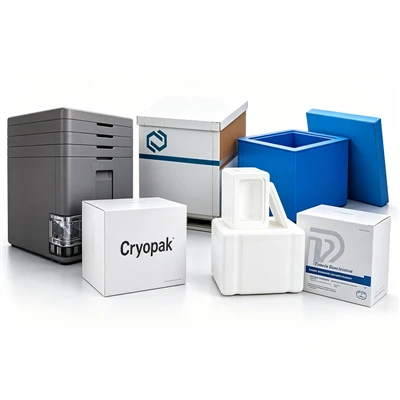
If you’re looking for a EVA packaging supplier that actually stands behind consistent quality, let’s chat. We’ve worked with small businesses and big brands alike, so whatever your needs are, we can make a batch that fits perfectly every time. Shoot us a message to get started on your order.
Printed Packaging Boxes References
- ASTM D3574, Standard Test Methods for Flexible Cellular Materials—Slab, Bonded, and Molded Urethane Foams
- EVA Foam Manufacturing Best Practices, International Association of Plastics Manufacturers, 2022
- Quality Control in Flexible Packaging Production, Journal of Packaging Technology and Science, Vol. 35, No. 4, 2021
- Inventory Management for Raw Packaging Materials, Supply Chain Management Review, Vol. 26, No. 2, 2020
Hangzhou Boyi New Material Co., Ltd.
With abundant experience, we are one of the most professional EVA packaging manufacturers and suppliers in China. Please rest assured to wholesale bulk EVA packaging in stock here and get quotation from our factory. We also accept customized orders.
Address: No. 367 Hujia, Zidong Village, Heshang Town, Xiaoshan District, Hangzhou City
E-mail: 18357273311@163.com
WebSite: https://www.boyinm.com/
