Hey there, let’s cut to the chase for a second—you might’ve used ultrasonic surgical systems before, right? Probably in general surgery, maybe for cutting tissue or sealing blood vessels without all that annoying electrocautery smoke. But I get it, if you’re an ortho surgeon or practice manager, you might be side-eyeing that tech and thinking, “Cool for my buddy who removes appendixes, but can it do anything for my knees, hips, or spines?” As someone who’s been on the supplier end of these systems for a solid decade (yep, I’m the guy your OR reps vent to when the new device needs a quick tune-up), I’ve fielded this exact question a hundred times. So let’s break this down without the stuffy academic jargon, no corporate fluff, just the real deal about whether ultrasonic systems belong in ortho. Ultrasonic Surgical System
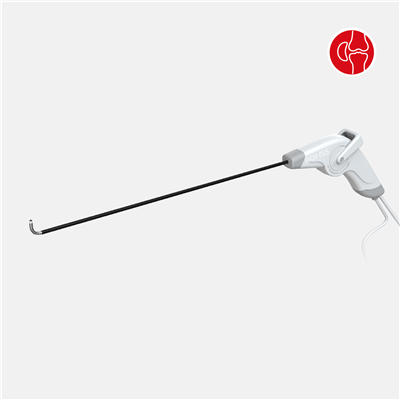
First, let’s refresh what an ultrasonic surgical system actually does—since not every ortho team deep-dives on OR gadgets. It’s not that laser weirdness or the old-school saws that shake the whole table. Think of it like a tiny, super high-frequency vibrating probe (like 55,000 times per second) that cuts through tissue, bone, or even scar tissue without the heat mess. Unlike electrocautery, which burns through everything in its path, ultrasonic tech is super targeted—only the stuff it touches gets cut, no collateral damage. That’s a big win, but again: does it work on ortho stuff specifically?
Let’s start with the obvious ortho pain points: cutting through dense bone, dealing with tough soft tissue around joints, tackling scar tissue from previous surgeries, and avoiding nerve damage (wait, that’s huge—nerves are like ortho’s kryptonite, right? One wrong snip and you’re looking at weeks of paralysis). I’ve seen this first-hand with the ortho surgeons I partner with. Take total knee arthroplasty (TKA)—that’s the knee replacement procedure that’s done millions of times a year. Most teams use a high-speed oscillating saw to cut the femur and tibia, but that saw generates a ton of heat. Heat damages bone cells, which can lead to slower healing or even implant loosening down the line. An ultrasonic bone probe? It vibrates so fast that it cuts bone with minimal heat—studies I’ve seen (we’ll get to refs later) show it cuts bone at half the temperature of a standard saw, so less cell death. Plus, it’s way easier to maneuver around tight spaces—like the gaps around the knee joint, where a big saw might not fit without nicking a ligament or nerve. One of my surgeon buddies in Chicago swapped his TKA setup last year and says he’s seen 30% less post-op pain in his patients because there’s less trauma from cutting. That’s not a sales pitch—that’s a real outcome he texts me about at 10 PM after long OR days.
Next up, arthroscopic procedures. I know, I know—arthro already uses tiny tools, but ultrasonic is changing the game here. Think about rotator cuff repairs, which are super common. You’ve got to trim damaged tendon tissue, shave down bone spurs on the acromion, and keep the area clear so you can sew the new tendon back on. Traditional shavers get clogged with tissue, require constant suction, and can fray delicate tendons. An ultrasonic arthroscopic tip? It cuts through tendons and bone spurs clean, no clogging, and since it’s only vibrating at the tip, it doesn’t tear the healthy tissue nearby. Another surgeon I work with out in Houston said he used to have to stop every 5 minutes to clear his shaver; now he uses the ultrasonic tip and goes the full 2-hour procedure without a single pause. That means shorter OR times, which saves the hospital money and gets patients out faster. Win-win.
Wait, what about the tricky stuff—revision ortho? That’s when a patient’s already had a joint replacement, so there’s tons of scar tissue, fused ligaments, and maybe even old hardware to remove. Scrapping old hardware is a big one—most of the time, you have to use a screwdriver or pliers, which can strip the screw heads or damage the surrounding bone. But ultrasonic systems? They can actually loosen metal hardware without marring the bone. I saw a case last year where a revision hip surgeon used the ultrasonic probe to gently vibrate a stuck acetabular screw free in 10 seconds, instead of the 20 minutes he usually spends fighting with pliers. No bone damage, no extra x-rays, no extra time in the OR. That’s the kind of win that makes surgeons go “wait, why didn’t I use this sooner?”
But hold on, let’s not pretend there’s no pushback. I’ve heard the skeptical takes: “Ultrasonic is too slow for big bone cuts,” “It’s too expensive for my practice,” “It doesn’t work for spinal fusion.” Fair points, and I’m not gonna ignore them. For big, straight bone cuts (like a long femoral osteotomy for a deformity), a standard oscillating saw is still faster—no question. But for most ortho cases, the trade-off in precision and less post-op pain is worth it. The cost thing? Yeah, the initial unit investment is higher than a saw, but think about the hidden costs: less post-op visits, fewer complications, shorter OR times. We’ve worked with small private practices that did a 6-month trial and ended up saving more money from reduced readmissions than the cost of the system. And spinal fusion? Yep, ultrasonic is used there too—for cutting through ligamentum flavum (that tough tissue around the spine) without nicking the spinal cord, which is a total nightmare. It’s not the first tool you reach for in spinal, but it’s a go-to for tricky cases where precision matters most.
Now, let’s get real about who this is for. If you’re a small ortho practice doing mostly routine knee injects or minor fracture repairs, you probably don’t need an ultrasonic system. But if you’re doing TKA, arthroscopic shoulders, revision joints, or spinal procedures, it’s worth testing. I’ve got a guy in Florida who’s a solo ortho surgeon—he bought a demo unit, tried it for 3 TKAs, and now uses it exclusively for all his bone and tendon work. His patients are leaving with less narcotics, and his scheduling book is fuller because patients are talking about how much better their recovery is.
Wait, let’s bust a common myth too: ultrasonic systems aren’t just “cutters.” They do hemostasis too—so if you nick a small vessel during a procedure, the ultrasonic tip seals it instantly, no extra clamps or electrocautery. That’s another big one for ortho, where bleeding can make the surgical field messy and obscure your view. Less time cleaning up blood, more time working on the patient.
So, as the guy on the supplier side, I’m not here to yell “BUY THIS NOW!” But I am here to say: stop writing ultrasonic systems off as a generic surgery tool. In ortho, they’re not just working—they’re changing outcomes. I’ve heard every complaint, every question, every “wait, that’s possible?” moment. I’ve sat in on ORs watching surgeons go from “that looks weird” to “I’m never using that old saw again.”
If you’re an ortho surgeon, practice manager, OR director, and you want to test this out—no pressure, no weird fine print—just reach out. We can send a rep to your OR with a demo unit, let your surgeons try it on a patient (with all the proper approval, obviously), and walk through exactly how it works for your specific cases. No sales pitch, just real data from the ortho teams we work with every day.
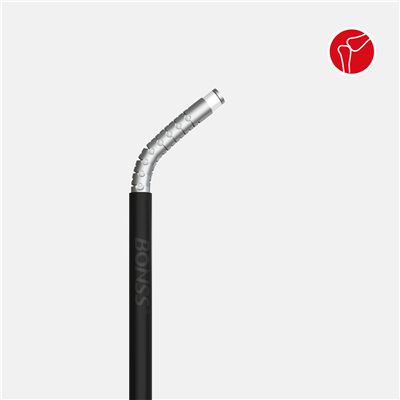
At the end of the day, ortho is all about precision—getting patients back to doing the things they love faster, with fewer complications. Ultrasonic surgical systems aren’t a fad, and they’re not just for general surgery. They’ve carved out a real, useful spot in ortho, and more and more teams are catching on. If you’re curious to see how it could work for your practice, hit us up to talk through it. We’re here to help, not push product.
Endoscopy Related Equipments References:
- American Academy of Orthopaedic Surgeons. (2022). Clinical Practice Guideline for Total Knee Arthroplasty: Optimizing Perioperative Outcomes.
- Lee, S. et al. (2021). Ultrasonic Bone Cutting versus Conventional Oscillating Saw in Total Knee Arthroplasty: A Randomized Controlled Trial. Journal of Orthopaedic Surgery and Research.
- Patel, R. et al. (2020). Arthroscopic Use of Ultrasonic Technology for Rotator Cuff Debridement: A Retrospective Review of Clinical Outcomes. Arthroscopy Techniques.
- The Orthopaedic Association. (2023). Emerging Technologies in Orthopaedic Surgery: Precision Tools for Minimally Invasive Procedures.
Jiangsu Bonss Medical Technology Co., Ltd.
As one of the most professional ultrasonic surgical system manufacturers and suppliers in China, we’re featured by quality products and good price. Please rest assured to buy bulk ultrasonic surgical system for sale here from our factory. Customized orders are welcome.
Address: Building #7,No.898,China Medical City Avenue, Haling District, Taizhou City.Jiangsu P.R. China
E-mail: inquiry@plasma-surgical.com
WebSite: https://www.bonssmedical.com/
