If you’re in the hydraulic systems game, chances are you’ve heard of Hawe Series gear—this stuff is the backbone for everything from construction equipment to industrial machinery that needs precise, reliable hydraulic power. As a supplier who’s been deep in this space for years, I get asked all the time: “What are the real technical specs of the Hawe Series, anyway?” Not the marketing fluff, but the stuff that actually matters when you’re building or fixing a system. Let’s break this down like we’re chatting over a coffee, no jargon overload, just the hard facts. Hawe Series
First, let’s get the basics straight: the Hawe Series isn’t a single product—it’s a line of modular hydraulic components, with sub-series tailored for different use cases. The big ones we deal with daily are the V-type pumps, the R-type radial piston motors, and the directional control valves, which are the workhorses most folks reach for. Let’s start with pumps because that’s where a lot of the confusion starts.
Hawe’s V-series axial piston pumps are the gold standard for compact, high-pressure applications, right? The spec that stands out here is pressure rating—we’re talking up to 420 bar continuous, and peak pressure can hit 450 bar if you need that extra burst for heavy lifting. A lot of budget pumps max out at 350 bar, so that’s a huge difference for machinery that works in tough environments, like mining or crane operations. Now, displacement per revolution: for the compact V 30, which is our bestseller, it ranges from 15 cc/rev up to 120 cc/rev. That’s flexible—smaller displacement for precision tasks, bigger for bulk flow needs. One thing customers don’t always realize: these pumps are designed with a swash plate angle adjustment that’s smooth, not clunky. The angle goes from 0 to 18 degrees, so you can dial in flow on the fly, which is perfect for variable speed applications. And here’s a real pro tip: the V-series has a built-in pressure relief valve that’s integrated, so you don’t have to add an extra component, saving space and cutting down on leak points. That’s a big win for OEMs who are always trying to shrink their system footprints.
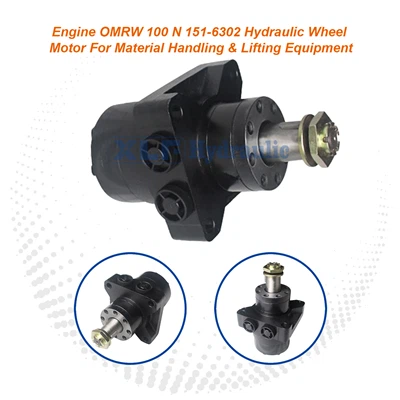
Next up, the R-type radial piston motors, which are the go-to for high-torque, low-speed moves. Think about a conveyor system or a tracked vehicle—those need torque, not just speed. The R-series motor specs: continuous torque can hit up to 12,000 Nm, and peak torque is even higher, around 18,000 Nm. That’s enough to move 10+ tons of equipment without breaking a sweat. Displacement here ranges from 25 cc/rev to 500 cc/rev, so you can match the motor size to your load. What makes these motors different from competitors? They’re gerotor-style, which means fewer moving parts, less wear, and lower maintenance. A lot of motors have piston seals that wear out quickly in dirty hydraulic fluid, but Hawe uses a special PTFE blend that’s resistant to contamination, so your motor lasts longer even in harsh conditions. Also, the R-series has a built-in brake option—spring-applied, hydraulically released. If the power cuts out, the brake engages automatically, so you don’t have to worry about your load slipping or rolling. That’s a safety feature that’s non-negotiable for a lot of our construction and agricultural customers.
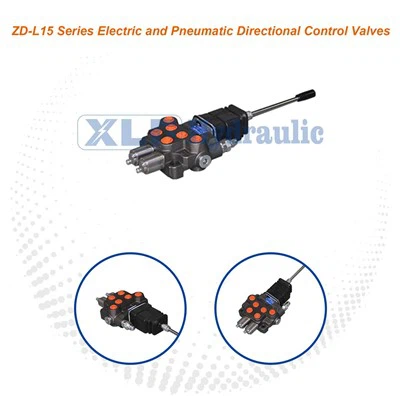
Now, the directional control valves—these are the ones that direct the hydraulic fluid to the right part of the system, so if your cylinder extends or retracts, that’s the valve doing its job. Hawe’s SK-series valves are modular, which is a huge plus for custom systems. The maximum flow rate here is up to 120 L per minute, and pressure rating is the same as the pumps, up to 420 bar. The cool part about SK-series is that you can mix and match modules—like add a check valve, a relief valve, or a flow regulator—without having to build a whole new valve assembly. That cuts down on lead times for customers who need custom setups fast. Also, the solenoids on these valves are rated for IP65, so they can handle dust, water, and even extreme temperatures, from -40°C up to 80°C. That’s a big deal for folks working in the Arctic or desert environments.
Wait, I should mention the small stuff too, because that’s what makes Hawe stand out. Let’s talk about efficiency. The V-series pumps have a volumetric efficiency of over 95% at full load, which means almost all the power you put in goes to work, not wasted as heat. Heat kills hydraulic systems—if your fluid gets too hot, it breaks down faster, seals leak, parts wear out. So higher efficiency means longer fluid life, less downtime, lower operating costs for your customers. The R-series motors are similar—mechanical efficiency is around 92%, which is way above average for radial piston motors.
Another spec that comes up a lot with our customers is size. Hawe’s components are compact, which is why they’re popular for mobile equipment like excavators and forklifts. The V 30 pump is about the size of a basketball, but it puts out the same pressure and flow as a much bigger competitor pump. For someone who’s fitting a pump into a tight engine bay, that’s a game-changer. Weight is another plus— the V 30 is only 28 kg, so it’s easy to install without needing a crane, which saves on labor costs during assembly.
But here’s the thing—specs only matter if they hold up in real life, right? I’ve seen customers use Hawe components in systems that run 24/7 for years, and they still don’t need a rebuild. A few months back, a farming customer reached out because their combine’s hydraulic motor had failed, and we replaced it with an R-series. He told us the old motor had lasted 3 years, and the new one’s been running for 18 months with zero issues. That’s the reliability we talk about, not just the numbers on a sheet.
Now, let’s talk about what these specs mean for you, whether you’re an OEM, a repair shop, or someone maintaining their own machinery. If you’re building a new system that needs high pressure and compact size, the V-series pumps are your guy. If you need torque for heavy loads, go with the R-series motors. And if you need a custom valve setup, the modular SK-series lets you tailor it exactly to your needs, no overpaying for parts you don’t use.
A common mistake I see buyers make is focusing only on initial cost, not total cost of ownership. A budget pump might be cheaper upfront, but if it’s only going to last 2 years vs. 5 years for a Hawe, that’s a big difference. Add in the downtime when you have to replace it, that’s lost production, which costs way more than the component itself. We’ve had customers switch from cheap pumps to Hawe, and they’ve told us they cut their hydraulic maintenance costs by 40% within the first year.
If you’re wondering about compatibility— a lot of Hawe components are designed to work with standard hydraulic fluid, so you don’t need to switch to some expensive special fluid. That’s another plus. The seals and materials are compatible with mineral oil, biodegradable hydraulic fluid, even synthetic fluids, so you have flexibility if you’re looking to meet environmental standards.
Wait, let’s not forget about pressure switches and sensors, which are part of the Hawe Series too. The DS-series pressure switches have a range from 0.5 bar up to 400 bar, and they’re adjustable, so you can set exactly when the system triggers a warning or shuts down to prevent damage. That’s a small part but super important for protecting your equipment. I remember a customer who had a pressure switch that failed, and his pump overheated and fried—cost him $10k in repairs. Swapping to a Hawe pressure switch would have prevented that.
So, to wrap up the specs: high pressure, compact size, low maintenance, high efficiency, and modular flexibility. That’s what the Hawe Series brings to the table. As a supplier, I don’t just sell parts—I make sure my customers get the right Hawe component for their specific job, not just the cheapest one. I’ve seen too many folks buy a part that’s not matched to their needs, leading to problems down the line.
If you’re in the market for Hawe Series components, whether you need a single pump, a whole motor setup, or custom valves, don’t hesitate to reach out. We can walk you through which sub-series fits your application, share real-world performance data from other customers, and help you get the right part at a fair price. We’re not just here to make a sale—we’re here to make sure your hydraulic system works as good as it can, with minimal downtime and maximum efficiency.
A4VSO Axial Piston Pump References
- Hawe Hydraulic GmbH. (2022). Technical Data Sheets: V-series Axial Piston Pumps, R-series Radial Piston Motors, SK-series Directional Valves.
- International Organization for Standardization. (2021). Hydraulic Fluid Power – General Requirements for Component Efficiency Testing (ISO 4406).
- Industrial Machinery Maintenance Association. (2023). Total Cost of Ownership Analysis for Hydraulic System Components.
Wuhan Xinlaifu Hydraulic Equipment Co., Ltd.
Wuhan Xinlaifu Hydraulic Equipment Co., Ltd. is one of the most professional hawe series hydraulic spare parts manufacturers and suppliers in China, featured by high quality OEM&ODM products. Please feel free to buy customized hawe series hydraulic spare parts from our factory.
Address: Liansu Industrial Park, No.1, Xincheng 11th Road, Dongxihu District, Wuhan, Hubei, China
E-mail: service@xlf-hydraulic.com
WebSite: https://www.xlf-hydraulic.com/
