Hey everyone, and thanks for stopping by! Today I want to tackle a question I get all the time here at our awning pole supply spot—“Are there awning poles for patio umbrellas?” Let me cut right to the chase: yes, 100% there are, and they’re way more versatile than you probably think. I’ve been in this game for over 12 years, working with everyone from weekend homeowners to big restaurant patio crews, so I’ve seen every angle of how these poles work (and how they don’t work). Let’s break this down like we’re chatting over a coffee, no boring jargon allowed. Awning Pole
First off, let’s get one thing straight—patio umbrella poles aren’t the same as awning poles, but that doesn’t mean they don’t cross over. Wait, hold on, let me clarify that. Most people think “awning pole” is just for the big retractable awnings you see above café patios, and “patio umbrella pole” is that thin metal stick holding your 9-foot beach umbrella on your deck. But here’s the secret: a lot of patio umbrella poles are technically a type of awning pole, depending on what you’re using them for. Confused? Let’s take a step back.
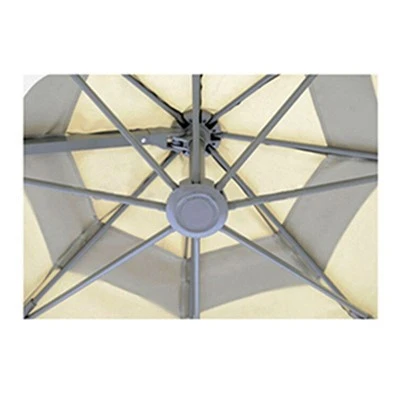
Patio umbrellas need support, right? Whether it’s a freestanding table umbrella, a cantilever umbrella (those swing-out ones that don’t sit in a table), or a small wall-mounted umbrella for your balcony, they all need a pole that’s strong enough to hold them up, stable enough not to blow over in a gust, and compatible with the base or mount you’ve got. That’s where awning poles come in—because awning poles aren’t just for fabric awnings. They’re any pole designed to support an outdoor shade structure, and patio umbrellas are a shade structure, plain and simple.
Now, let’s talk about the different types of awning poles that work for patio umbrellas, because not all poles are created equal. I’ve had customers come in trying to use a flimsy aluminum tent pole for their 11-foot cantilever umbrella, and let’s just say that ended with a trip to the ER (they were lucky no one got hurt). So let’s go over the real, usable options.
First up: standard aluminum awning poles. These are the most common, and for good reason. They’re lightweight, rust-resistant (we use marine-grade aluminum for all our poles, no cheap stuff here), and come in a range of diameters from 1.5 inches to 3 inches. For most freestanding patio umbrellas that sit in a table hole, a 1.9-inch aluminum awning pole works perfectly. It’s sturdy enough to hold the umbrella up, doesn’t add too much weight, and fits just about any standard table umbrella base. The key here is wall thickness—we use 0.12-inch thick walls for our standard poles, which is way thicker than the cheap ones you find at big-box stores. That means no bending if a sudden wind hits, which is huge.
Next, cantilever awning poles. These are the heavy-duty ones for those big swing-out umbrellas that let you shade a table from any angle. Cantilever umbrellas put a lot more stress on the pole because the weight is off-center, so you need a pole that’s built for that. Our cantilever awning poles are steel-reinforced aluminum, with a 2.5-inch diameter and 0.18-inch thick walls. They have a reinforced joint near the top where the umbrella arm attaches, so you don’t get that wobble everyone hates. I’ve had a local pizza place order 20 of these for their patio, and they’ve been through some crazy rainstorms this summer—no issues at all. Pro tip: make sure your cantilever pole has a built-in crank or lock mechanism, because you don’t want it collapsing when you adjust the umbrella.
Then there are wall-mounted awning poles for small patio umbrellas. These are perfect for balconies or small decks where you don’t have a freestanding base. Our wall-mounted poles attach directly to your house or patio wall, and come with a bracket that lets you adjust the angle of the umbrella. They’re usually a bit shorter than freestanding poles (around 7 feet) and have a reinforced base where they bolt to the wall. I installed one on my own balcony last year, and it holds my 8-foot umbrella steady even when I open all the side panels for extra shade. No more balancing a heavy base on a small balcony rail—game changer.
Wait, but what about the difference between patio umbrella poles and regular awning poles? Let’s get that out of the way, because this is where most people get mixed up. Regular awning poles (for fabric awnings) are often longer, have different mounting points, and some are designed to be retractable. But patio umbrella poles are a subset of awning poles—they’re specialized for the round or square canopies of patio umbrellas, with specific connectors and sizes. So when someone asks me “are there awning poles for patio umbrellas?” I always say “yes, and here’s exactly which ones you need, no more guessing.”
Now, let’s talk about what to look for when buying an awning pole for your patio umbrella, because you don’t want to waste money on something that’ll break. First, size matters. Measure your umbrella’s canopy size first—small umbrellas (under 8 feet) need a 1.5 to 1.9-inch diameter pole, medium (8-11 feet) need 1.9 to 2.5 inches, and large umbrellas (over 11 feet) need 2.5 inches or more. Second, material: avoid cheap thin aluminum or plastic poles. Go for marine-grade aluminum or powder-coated steel—they’re rust-resistant, which is non-negotiable for outdoor use. Third, stability features: look for poles with reinforced joints, adjustable heights (if you want that feature), and a way to lock the umbrella in place. For cantilever poles, make sure the base is wide enough to keep the umbrella from tipping—some poles come with a base, others you have to buy separately.
I also get a lot of questions about compatibility with different umbrella bases. A lot of people have heavy concrete bases, but if you have a smaller base, you need a sturdier pole. For example, if you have a 50-pound base for an 11-foot umbrella, you’ll need a 2.5-inch diameter pole. If you use a flimsy 1.5-inch pole, even a 100-pound base might not keep it from tipping over in wind. That’s why talking to someone who knows what they’re doing (like us) is way better than guessing at the store.
Let me throw in a quick personal story here—last month, a guy came in with a broken patio umbrella pole. He’d bought a cheap one online for $20, thinking it would work for his 10-foot umbrella. First time a breeze hit, the pole bent in half. He tried to fix it with duct tape (classic move, I’ve done that too) and then it fell on his neighbor’s lawn chair. He ended up buying our 2.2-inch aluminum pole, and now he texts me every time his family has a barbecue saying how sturdy it is. That’s the kind of problem we solve every day—no more cheap, flimsy poles that break after a few months.
Another thing people don’t think about: maintenance. Awning poles for patio umbrellas are low-maintenance, but you still have to take care of them. We recommend wiping them down with soapy water once a month to remove dirt and pollen, and lubricating the crank mechanism if they have one. If you live in an area with lots of salt air (like near the beach), you should spray them with a rust inhibitor once a year. None of that is hard, and it makes your pole last for years—we have customers who’ve had our poles for 8+ years, no issues.
Wait, what about custom awning poles for patio umbrellas? Yeah, we do that too. Some people have really weird setups—like a 12-foot octagonal umbrella for their patio, or a cantilever umbrella that’s 15 feet wide for a restaurant. We can custom-make poles in any length, diameter, and even color to match your patio. I had a client last year who wanted a black pole to match his outdoor furniture, so we powder-coated one of our standard poles matte black, and he said it looked like it was part of the furniture, not a random umbrella pole. That’s the beauty of working with a supplier that doesn’t just sell generic stuff—we can tailor it to your needs.
Let’s address a common myth: some people think that using a regular awning pole (for fabric awnings) works for patio umbrellas. Let me tell you—most of the time, that’s a bad idea. Fabric awning poles are designed to hold flat or slanted fabric, not the rounded, weighted canopy of a patio umbrella. They have different attachment points, so the umbrella won’t fit right, and the pole might not be sturdy enough for the off-center weight of the umbrella canopy. Stick to poles that are specifically made for patio umbrellas, which are a type of awning pole anyway.
Now, if you’re in the market for an awning pole for your patio umbrella, here’s my quick checklist:
- Measure your umbrella’s canopy size and the hole in your table (if you have one)
- Pick a material: marine-grade aluminum or powder-coated steel
- Choose a pole type: freestanding, cantilever, or wall-mounted
- Make sure it has reinforced joints and lock mechanisms for stability
- Avoid cheap thin poles—spend a little more for something that lasts
I can’t stress enough how important it is to get the right pole. A patio umbrella is a big investment—you don’t want it falling over in the first windstorm, or having a flimsy pole that wobbles every time someone walks past it. Our poles are built to last, and we’ve tested every single size and type in real outdoor conditions. I even have a test pole in our warehouse that’s been outside for 3 years, through snow, rain, and 100-degree heat, and it’s still as sturdy as the day we installed it.
Look, I know shopping for outdoor gear can be overwhelming. There are so many options online and at big-box stores, and it’s hard to tell what’s actually good. That’s why we’re here—we don’t just sell poles, we help people pick the right one for their specific setup. Whether you’re a homeowner with a small balcony umbrella, a restaurant owner with a 50-patio spot, or anything in between, we’ve got you covered.
So if you’ve been wondering about awning poles for patio umbrellas, the answer is a resounding yes, and there’s a perfect option for every need. No more guessing, no more broken poles, no more wasting money on cheap stuff.
If you’re ready to grab a pole, or just have more questions, don’t hesitate to reach out to us. We’re always here to chat, give recommendations, and make sure you get exactly what you need for your patio. Whether you want to ask about sizing, custom colors, or just need to vent about that $20 pole that broke last month, we’re all ears.
Thanks for hanging out and chatting with me today. Go check your patio umbrella pole—if it’s wobbly or thin, it’s probably time for an upgrade. You won’t regret it.
Camping Tent Pole References:
- Outdoor Industry Association. “2024 Patio and Garden Product Trends.” OIA, 2024.
- American Society of Testing and Materials. “Standard Specification for Aluminum Structural Shapes for Outdoor Use.” ASTM International, 2023.
- National Weather Service. “Wind Gust Guidelines for Outdoor Structures.” NOAA, 2023.
- Marine Grade Aluminum Association. “Corrosion Resistance of Aluminum for Saltwater Applications.” MGAA, 2022.
Shaoxing Longfan New Materials Technology Co., Ltd.
With abundant experience, we are one of the most professional awning pole manufacturers and suppliers in China. We warmly welcome you to wholesale customized awning pole at competitive price from our factory. If you have any enquiry about cooperation, please feel free to email us.
Address: Zhangzhen Industrial Park, Zhangzhen Town, Shangyu District, Shaoxing City, Zhejiang Province (No. 1118 Shunyang Road)
E-mail: 237367356@qq.com
WebSite: https://www.longfancomposites.com/
