Hey everyone, if you’ve ever ordered from our Natural Animal & Plant Extracts supplier, you’ve probably had one question pop up more than any other: should you go for fresh extracts or dried ones? I get it—when you’re working with ingredients that power everything from pet supplements to skincare blends, picking the right form makes a huge difference. I field this exact question at least twice a week on our support line, so I thought I’d break it down straight, no jargon, no fluff—just the real differences in benefits between fresh and dried natural extracts, based on what we see every day with our products. Natural Animal & Plant Extracts
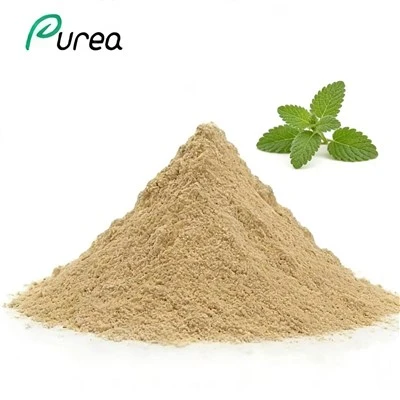
First off, let’s get one thing straight: neither is “better” across the board. It all depends on what you’re using the extract for, how you’re processing it, and how you plan to store it. A lot of people assume fresh = inherently superior because it’s less processed, but drying extracts solves a whole set of problems fresh ones can’t, especially when you’re shipping or storing for any length of time. Let’s start with the core stuff that makes extracts work: active compounds. That’s the good stuff—think curcumin from turmeric, omega-3s from krill, or probiotics from aloe. Those are the molecules that do the heavy lifting, right?
Fresh extracts are made by taking the raw plant or animal material (like just-harvested turmeric roots or cold-pressed krill oil) and processing it within hours to lock in as much of those fragile compounds as possible. The upside here is obvious: fresh extracts have higher levels of volatile, heat-sensitive compounds. For example, essential oils—like peppermint or lavender extracts—are way more potent in their fresh form because they break down when exposed to air, light, or heat during drying. We saw this last year with a batch of fresh peppermint extract we sold to a small craft pet food brand; they reported their customers said the peppermint was more noticeable and calming than dried peppermint extract they’d used before. Another example: aloe vera extract. Fresh aloe has those polysaccharides that are super soothing for skin and gut, and because we don’t heat or dry it immediately, those molecules stay intact. A lot of our skincare clients swear by fresh aloe extracts for that exact reason—their products don’t have to add extra synthetic binders because the fresh extract works so well on its own.
But here’s the catch with fresh extracts: they’re high-maintenance. You can’t ship them cross-country without temperature-controlled trucks, they go bad in a matter of weeks if you don’t refrigerate them, and they’re way more likely to have contaminants if not processed quickly. I once had a client try to order fresh rosemary extract and hold it in their warehouse for a month before using it—by the time they opened it, 40% of the active antioxidants were gone, and it had a weird off-flavor from bacterial growth. So even though fresh extracts have more of those fragile compounds, their shelf life is short, and the logistics aren’t always doable for most businesses. That’s where dried extracts come in, and they have some legit benefits that people sleep on.
Drying extracts removes most of the water content—usually between 80-95%—which stops bacteria, mold, and enzymes from breaking down the active compounds. What that means for you is way longer shelf life: dried extracts can last 1-2 years if stored in a cool, dark place, no refrigeration needed. That’s a game-changer for small businesses that don’t have big cold storage budgets, or for bulk orders that need to sit for a few months. But wait, people often complain that dried extracts lose potency. Is that true? Sometimes, but it’s not a given—it depends on the drying method. We use freeze-drying and vacuum drying for most of our extracts, which are gentler than the old-fashioned oven-drying that can burn or break down active molecules. For example, our freeze-dried turmeric extract has almost the same level of curcumin as fresh turmeric extract, because we freeze it first to lock in the compounds before removing water. The only drop we see is with super volatile essential oils—those do tend to break down a little during drying, but for things like medicinal mushrooms or bone extracts, drying actually preserves the active compounds better than fresh.
Let’s talk about animal-derived extracts, since that’s a big part of our line too. Fresh krill oil extract, for example, has those phospholipid-bound omega-3s that are great for pet joint health, but it goes rancid super fast. Dried krill extract (processed with nitrogen to prevent oxidation) actually keeps those omega-3s stable for way longer, and when it’s added to pet kibble, it mixes better than liquid fresh krill oil that can make the kibble go soggy. We have a large partner that makes senior dog supplements—they switched from fresh krill to dried krill extract two years ago, and they told us their product waste dropped by 30% because less of the oil was going bad on their shelves. Another one: collagen extract from bovine hides. Fresh collagen is gel-like and has a very short shelf life, but dried collagen powder is easy to ship, mixes into drinks or supplements without clumping, and actually has better bioavailability for humans and pets because the drying process breaks it down into smaller peptides that the body can absorb faster.
Wait, but there’s a myth out there that dried extracts have added preservatives, right? A lot of people think that because drying is a form of preservation, it must involve chemicals, but that’s not the case when you’re working with high-quality natural extracts. At our supplier, we don’t add any synthetic preservatives to either fresh or dried extracts—we rely on processing methods to keep them stable. Fresh extracts are processed within 24 hours of harvesting raw material, flash-frozen if needed, and shipped in insulated packaging with ice packs. Dried extracts are vacuum-sealed in opaque bags to block light and air, so no preservatives needed. The only time you’ll see additives is if a supplier is cutting corners—so always check your source, that’s our two cents.
Another benefit of dried extracts is consistency. When you process fresh extracts, the amount of active compounds can vary a lot depending on when you harvested the raw material—rainfall, soil quality, even how much sun the plant got that day can change the potency. Drying extracts standardizes that. We test every batch of dried extract to make sure it has a set amount of active compounds—for example, our echinacea extract always has 4% alkamides, no matter if we harvested the echinacea in spring or fall. That’s huge for clients who are making supplements or skincare products that need to have a consistent dose every time. Fresh extracts, while potent, can be a little hit or miss in terms of exact potency, which can be a problem for businesses that have to meet regulatory standards.
But fresh extracts still have their sweet spot. For small-batch products, or for applications where those fragile volatile compounds make all the difference—like natural air fresheners, or topical skincare for sensitive skin—fresh is the way to go. We work with a small batch cold press juice brand that uses fresh elderberry extract to make their immune-boosting shots; they say the elderberry’s anthocyanins (the compounds that fight colds) taste better and work faster when they’re fresh, and their customers will pay a premium for that. It all comes down to use case: if you need something that’s potent and fast-acting, and you can handle short shelf life and refrigeration, fresh is great. If you need something that’s easy to store, ship, and consistent for bulk production, dried is the better bet.
I should also mention something we see all the time as a supplier: a lot of people mix up “dried raw material” with “dried extract.” Dried herbs, like dried turmeric root, are not the same as dried extract. Extracts are concentrated, so a small amount of dried extract is equivalent to a large amount of raw material. That’s why dried extracts are so popular—you don’t have to use a cup of dried turmeric root to get the same benefit as a teaspoon of dried turmeric extract, which cuts down on production costs and makes products easier to dose. Fresh extracts are also concentrated, but again, the logistics make them less practical for most.
Is there any downside to both? Sure. Fresh extracts can be more expensive because of the shipping and processing costs, and they have a shorter shelf life. Dried extracts, if processed with harsh methods, can lose a lot of their benefits, or even have off-flavors from oxidation. But like I said earlier, when you work with a reputable supplier, you don’t have to worry about that. At our company, we test every single batch—fresh or dried—for active compounds, purity, and contaminants, so our clients know exactly what they’re getting.
Let me wrap this up with a real example from last quarter. We had two clients come to us for the same project: one was making a line of organic dog treats, the other was making a line of human immune support capsules. The dog treat client wanted a peppermint extract to add a calming flavor, and they were only going to sell at local farmers markets, so they could pick up fresh extract every week. We recommended our fresh peppermint extract, and they loved it—they said customers commented on the nice, fresh mint taste and the calming effect worked well for their anxious dogs. The human capsule client needed a standardized elderberry extract that could be shipped nationwide, stored for 6 months, and have a consistent dose of anthocyanins. We recommended our freeze-dried elderberry extract, and they reported that it passed all regulatory tests, had a 18-month shelf life, and the capsules were easy to produce without any clumping or spoilage.
That’s the whole story, right? It’s not about fresh vs. dried being better—it’s about matching the form to your needs. If you want that peak, fragile potency for small, local, refrigerated products, go fresh. If you need consistency, long shelf life, and easy logistics for bulk or nationwide shipping, dried is the way to go. Both have great benefits when processed properly, which is why we offer both at our Natural Animal & Plant Extracts supplier.

If you’re still not sure which one is right for your product, or you want to place an order for either fresh or dried extracts, don’t hesitate to reach out to our team to chat through your specific needs. We’re always here to help you pick the best option for your project, no hard sells, just honest advice based on what we’ve learned working with extracts for years.
Fruit & Vegetable Powder References
- Zhang, Y., et al. (2020). Effects of drying methods on bioactive compounds in plant extracts. Journal of Agricultural and Food Chemistry.
- Kim, S., et al. (2018). Stability of animal-derived extracts: A comparison of fresh vs. dried formulations. Journal of Animal Science and Biotechnology.
- European Food Safety Authority. (2021). Guidelines for standardization of botanical and animal extracts for commercial use.
- Patra, A. K., et al. (2019). Fresh vs. dried herbal extracts: Efficacy and application in animal nutrition. Animal Feed Science and Technology.
Purea(Xi’an) Chunyuanzhicui Biological Technology Co., Ltd.
As one of the most professional natural animal & plant extracts manufacturers and suppliers in China, we’re featured by quality products and good price. Please rest assured to buy bulk natural animal & plant extracts in stock here get free sample from our factory. Customized orders are welcome.
Address: Room 10713, Unit 1, Building 1, No. 11, Tangyan South Road, High-tech Zone, Xi’an City, Shaanxi Province, China
E-mail: sales@pureabio.com
WebSite: https://www.purea-bio.com/
