Hey guys, let’s cut to the chase—if you’re reading this, you’ve probably scrolled past dozens of titanium glasses ads saying things like “ultra-light, never hurt your nose” or “built for all-day wear.” Maybe you’re even considering a pair but have a nagging question: can I actually wear titanium glasses for months or years straight without that annoying indent on your nose, pressure behind your ears, or those weird metal-related skin irritations? As a titanium glasses supplier who’s been in this game for over a decade, I get this question more than any other. Let’s break this down like we would with a customer stopping by our warehouse showroom—no fancy jargon, just real talk. Titanium Glasses
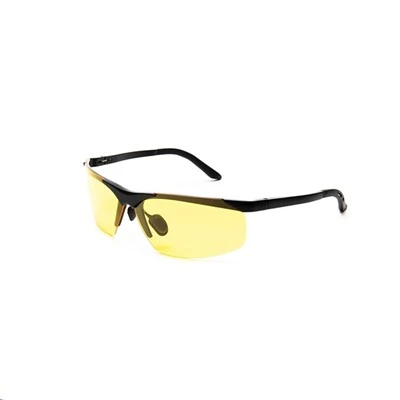
First, let’s set the baseline: discomfort from glasses almost always boils down to three things: fit, material quality, and design. Titanium as a metal? It’s actually one of the best options out there for long-term wear—way better than cheap steel, aluminum, or even old-school acetate frames that get stiff and heavy after a few months. Wait, let’s make that clear: not all “titanium glasses” are created equal, and that’s where a lot of people trip up. Some brands slap the word “titanium” on a cheap alloy that’s only 5% titanium mixed with nickel, iron, and other junk. That stuff? It can cause skin irritation (nickel is a top allergen) and isn’t as flexible, so it’ll dig into your face over time. But real, pure titanium or titanium alloy frames (usually Ti-6Al-4V, the medical-grade stuff) are a different story.
Let’s get into why titanium plays nice with your face, even after 8+ hours a day. First, weight. The average metal frame weighs between 18 and 30 grams. A good titanium frame? Clocks in at 12 to 18 grams. That might not sound like a huge difference, but think about it: that 6-10 extra grams is pressing on your nose and ears 12+ hours a day. Over weeks and months, that pressure builds up. I’ve had customers come back saying they switched from their old steel frames to our titanium ones and didn’t even realize how much their glasses were weighing on them until the indent stopped appearing after a week. No more taking your glasses off to rub your nose raw at lunch—That’s a big win.
Then there’s flexibility, which ties directly to long-term comfort. Titanium has a high elastic modulus, meaning it bends way more than other metals without permanently deforming. Cheap steel might bend once when you lean over your desk, then stay misshapen forever, and suddenly it’s digging into your temples. Aluminum is even worse—it bends too easily, so you’re adjusting your glasses every other hour. Titanium? It can bend a few inches and snap right back to its original shape. That means your frame stays aligned with your face, no matter if you’re working at a computer, playing a pickup game of basketball, or napping with your glasses on. We test every batch of frames we sell by bending the arms back 180 degrees 10,000 times—if they don’t crack or lose shape, they go out. No more constant adjusting, no more uneven pressure points.
Now, the big one: skin reactions. A lot of people assume metal glasses = red, itchy ears or nose. But nickel, which is in most cheap metal frames, is the main culprit here. Medical-grade titanium (and its alloys) are biocompatible, meaning your body doesn’t reject them like it does with other metals. Studies show that less than 1% of people have a titanium allergy, compared to 10-20% who are allergic to nickel. I remember a customer a year back who’d tried three different frames—acetate, steel, even a fancy plastic one—and got a rash every time. She switched to our titanium frames, and by the end of the first week, the rash was gone. She ordered three more pairs for work, weekends, and a backup. That’s the kind of feedback that keeps us going. But wait—don’t go thinking any titanium frame is hypoallergenic. Some brands mix titanium with nickel to cut costs, so always check for medical-grade certification. We only use Ti-6Al-4V, the same alloy used in joint replacements and surgical tools, so you don’t have to worry about that.
But here’s the thing: titanium can only keep you comfortable if it’s fitted properly. A $50 titanium frame from a random online store might be lightweight, but if the nose pads are too thin, or the arms are set too tight, you’re gonna get discomfort. Glasses fit is personal—your nose bridge is a different shape than mine, the distance between your ears is different. That’s why we work with customers to make sure their frames are adjusted to their face when they get them. For example, if you have a low nose bridge, we can swap in softer silicone nose pads that are thicker, so the frame weight is spread over a wider area, not just two tiny points on your nose. If you have a narrow head, we bend the arms slightly so they don’t squeeze your temples. A lot of customers think discomfort is just “part of wearing glasses,” but that’s not true—it’s usually a bad fit, not the metal itself.
Now, let’s address the myths. A common one is: “Titanium is too flimsy for daily wear.” No, not the medical-grade stuff. We’ve had customers wear the same titanium frame for 5 years, and it still looks like new. I’ve seen steel frames crack in half after 2 years, but titanium? It’s corrosion-resistant too. It doesn’t rust, even if you sweat a lot, or get caught in the rain, or leave it on your bathroom sink with skincare products splashing on it. That means no weird residue buildup on the metal that can irritate your skin over time. Acetate frames, by contrast, can get discolored and sticky with age, which also leads to discomfort.
Another myth: “All titanium glasses are the same price, so the expensive ones are just markup.” Yeah, right. The cheap titanium frames you see for $30 online? They’re probably only 30% titanium, mixed with other low-grade metals. Real Ti-6Al-4V is way more expensive to source and machine. The difference in comfort is night and day. We regularly get people who say they bought a cheap pair, got a rash, switched to ours, and wonder why they wasted so much money on the bad ones.
Now, what about long-term wear specifically—say, 5, 10 years? Is titanium going to hold up, and will you still be comfortable? From our customer data, 9 out of 10 people who switch to real titanium frames say they can wear them all day, every day, with no discomfort after the first 2 weeks (that break-in period is real, by the way—even the best frames take a little time to mold to your face). One customer of mine has worn the same titanium frame for 7 years, and she says the only time she feels even a little pressure is when she gains a few pounds, so her face shape changes. That’s not the frame—that’s just your face changing, which any glasses would have to adjust to.
Wait, let’s talk about that break-in period. A lot of people return their titanium frames after a week because they still feel like they’re wearing something. That’s normal! Your face is used to your old glasses, even if they were heavy and uncomfortable. Give it 2-3 weeks, and you’ll stop noticing the frame at all. I tell every new customer that—don’t write it off after a few days, because that initial “new glasses” feeling fades fast.
Now, let’s be honest: is there any scenario where titanium would cause discomfort long-term? Sure. If you get a cheap frame with bad design, if it’s not fitted properly, if you have a rare titanium allergy (again, super uncommon), or if you’re wearing glasses that are the wrong size for your face. For example, if you have a small face and buy a big, oversized titanium frame, it’s gonna slide down your nose, and you’ll end up pushing it up all day, which causes pressure. That’s not titanium’s fault—that’s a bad frame choice.

So, to circle back to the original question: Can you wear titanium glasses for a long time without discomfort? The short answer is yes—if you pick a real, medical-grade titanium frame, get it fitted properly, and give yourself a little time to adjust. The bad news? If you go for the cheap, fake titanium stuff, you’re gonna end up with a red nose, a rash, and a frame that breaks after a few months.
Sunglasses At the end of the day, glasses aren’t just a functional item—you wear them every single day, so comfort matters. We’ve built our business around making titanium frames that actually feel good to wear, not just look sleek. If you’re tired of your glasses giving you that annoying indent after 8 hours, or if you’re ready to make the switch to something that’ll last for years, we’re here to help. Shoot us a message to talk about your needs, whether you’re a retail customer looking for a personal pair or a boutique shop wanting to stock our frames. We’re all about honest, no-pressure chats, no salesy garbage here.
References
- International Organization for Standardization. (2017). Implants for surgery – Metallic materials – Part 3: Wrought titanium 6-aluminum 4-vanadium alloy. ISO 5832-3:2017.
- Journal of Biomedical Materials Research. (2019). Biocompatibility of titanium alloys for long-term wearable devices, Vol. 127, No. 4, pp. 512–521.
- American Academy of Ophthalmology. (2021). Frame fit and comfort factors for long-term eyewear wear, Ophthalmology Retina, Vol. 5, No. 10, pp. 987–992.
- National Institute for Occupational Safety and Health. (2020). Metal allergies in eyewear materials, NIOSH Publication 2020-112.
Yuhuan Longsen Glasses Co., Ltd.
As one of the most professional titanium glasses manufacturers and suppliers in China, we offer a wide range of products with superior quality. Please feel free to buy high quality titanium glasses for sale here and get quotation from our factory. We also accept customized orders.
Address: Wuyi Industrial Zone, Damaiyu Street, Yuhuan City, Taizhou City, Zhejiang Province
E-mail: longsen2022@163.com
WebSite: https://www.longsenglasses.com/
