Hey there, if you’re reading this, chances are you’re on the hunt for a solid plastic label supplier—like, one that doesn’t flake on deadlines, doesn’t overcharge you for garbage material, and actually gets what you need for your products. I’ve been in this game for over 10 years (full transparency: I run a small but tight-knit plastic label operation, so I’m not just rambling as some industry guru who’s never touched a press) and let me tell you, picking the wrong supplier can turn a regular workweek into a nightmare. Last year alone, I had three new clients come to me after their previous label people bailed—one sent a batch of labels that smeared the second they touched a wet can, another missed a launch deadline for a major grocery chain, and the third’s labels fell off shipping boxes mid-transit. Plastic Label
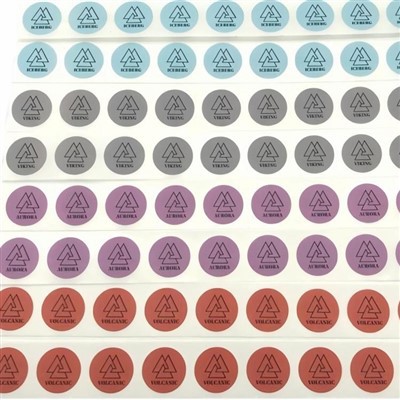
So let’s cut the corporate fluff, no “synergizing” or “paradigm shifts” here. If you want a reliable plastic label supplier, here’s the real talk stuff I’ve learned that works, not just the marketing buzz you see online.
First off: Stop looking at the homepage first. I know, I know—everyone checks a website for portfolio or reviews, but if a supplier’s homepage is all empty stock photos and vague claims like “we’re the best,” that’s a red flag. Instead, ask for specific, verifiable samples. Like, if you need labels for a frozen food package that’ll go in a -20C freezer, don’t just ask for a “general plastic label”—ask for a sample that’s been tested for low-temperature adhesion, or a label that’s water-resistant for bottled drinks, or one that can handle UV exposure for outdoor gear. I always send test samples to potential clients within 24 hours, no hoops to jump through, because I know my stuff holds up. If a supplier hesitates to give you a custom, testable sample? Run. That means they’re either cranking out generic junk or can’t be bothered to care about your actual needs.
Next up, ask about their material specs like you’re quizzing a friend on a concert playlist—specificity matters. Not all plastic is the same, and cutting corners here is how you get labels that disintegrate. For example, if you’re making cosmetic labels, you might need PVC (wait, no—actually, a lot of brands are ditching PVC for PET now because it’s more eco-friendly and doesn’t leach onto creams) or BOPP, which is super durable. If you’re labeling industrial parts that get oil on them, you need a material that resists grease, not the flimsy stuff you’d see on a candy bar wrapper. Here’s the thing: a real supplier will tell you straight up what materials work for your use case, not just push whatever’s cheapest for them. I had a client once who insisted on using a cheap PVC label for their hand sanitizer bottles, and I told her flat out it’d leave a sticky residue on the plastic and peel in a week. She argued, ordered the cheap stuff, and came crying back three weeks later wanting the better BOPP labels—she saved a few bucks upfront, but had to re-label 10,000 bottles, which cost way more. Don’t be that client, and don’t work with a supplier who doesn’t call you out on bad choices (even if it means losing a quick sale).
Then there’s the “hidden stuff” nobody talks about: their production setup and quality checks. Yeah, you might not care if they have 5 presses or 20, but you do need to know if they have in-house quality control, or if they’re farming the work out to some third-party factory. A big red flag is if they say “we’ll send it to a partner” and won’t show you where that partner is. At my place, we do everything in-house: design, printing, cutting, testing, all under one roof. That way, if a batch has a smudge or a misaligned logo, we catch it before it ships, not when it arrives at your warehouse. I had a supplier a couple years back who outsourced their work, and half the labels had the wrong barcodes—we fixed that client’s batch in 48 hours, but the other supplier made them wait a week. Also, ask about turnaround times, but not the “best case” turnaround. Ask: “What’s the turnaround if something goes wrong?” and “What’s the average delay you’ve had in the last 6 months?” We aim for 5 business days for small runs, 10 for big ones, and the only delays we’ve had are when a client changes their design last minute (no judgment, that happens) or there’s a global material shortage (which we warn people about way in advance, not hide it).
Reviews are good, but don’t just read Google reviews—ask for references. Like, a real, live client you can call. If a supplier gives you only old, small clients? Pass. We always give references of clients who have big, consistent orders (like a local beverage brand that gets 50,000 labels a month) because that’s who we work well with. When a potential client calls that beverage brand, they don’t hear “they forgot our order”; they hear “they show up when they say they will, and their labels never give us issues.” Also, check social media for their work—don’t just look at their posts, look at the comments. If people are complaining about late labels or bad quality in the comments, that’s a way bigger red flag than a low star rating.
Wait, also, ask about customization and design help. Most small to mid-sized businesses aren’t designers, so if a supplier just says “here’s a template, figure it out,” they’re not a partner. We have a in-house designer who works with clients for free for small tweaks—like fixing a blurry logo or adjusting the barcode so it scans correctly. Last month, a client sent me a design where the barcode was way too small, and my designer fixed it in 10 minutes so they didn’t have to re-order. If a supplier charges you extra for basic design help, that’s a sign they only care about making money on the order, not keeping you as a long-term customer.
And let’s talk about price, because everyone cares about that. But here’s the rule: if a quote is way lower than everyone else, it’s garbage. I once had a client get a quote that was 30% lower than mine, and when they showed me the sample, the plastic was so thin it crumpled when you touched it. We’re not the cheapest, but our prices are fair—we use good materials, pay our staff well, and have no hidden fees. If a supplier’s quote is too good to be true, it is. Also, make sure the quote includes everything: shipping, design, samples, no surprise “handling fees” that pop up later. I put all that in writing, so there’s no confusion.

At the end of the day, the best way to pick a reliable plastic label supplier is to find someone who sees you as more than a one-time order. We’ve worked with the same coffee brand for 6 years, and when they needed custom labels for a limited-edition seasonal blend, we stayed late to get them done in time for their launch. That’s the kind of supplier you want—someone who’s on your team, not just a vendor.
Label So if you’re tired of label suppliers who bail, overcharge, or send you junk, hit us up for a chat. We can send you free test samples, break down exactly what materials work for your products, and even walk through your design if you need it. No hoops, no sales pressure, just real people who know plastic labels inside and out.
References
- Label Industry Association. (2022). Key Factors for Selecting a Reliable Label Supplier. Retrieved from industry trade journal archives
- Small Business Administration. (2021). Tips for Evaluating Custom Product Label Vendors for Long-Term Partnerships. Small Business Resource Guide
- Material Safety Data Sheet (MSDS) Database. (2023). Performance Standards for Adhesive Plastic Labels in Varying Environmental Conditions. Global Adhesive Materials Association.
Guizhou Mingguan Sign Nameplate Products Co., Ltd.
We’re well-known as one of the leading plastic label manufacturers and suppliers in China. With abundant experience, we warmly welcome you to wholesale bulk customized plastic label at low price from our factory. For quotation and free sample, contact us now.
Address: Xinpu New District, Zunyi City, Guizhou Province of China
E-mail: zhangyixuanmglabel@126.com
WebSite: https://www.mingguan-label.com/
