As a supplier of Transition Joints, I often get asked about the flexibility of these crucial components. In this blog post, I’ll delve into what flexibility means in the context of Transition Joints, why it’s important, and how it impacts various applications. Transition Joint
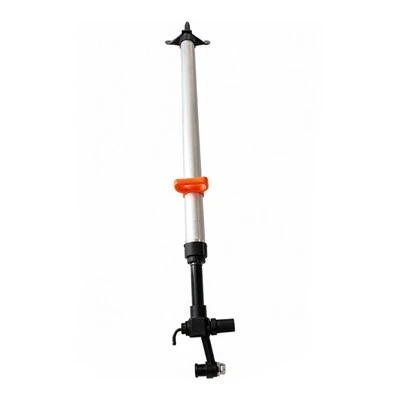
Understanding the Concept of Flexibility in Transition Joints
Flexibility in a Transition Joint refers to its ability to accommodate movement, misalignment, and vibration without compromising its structural integrity or performance. Transition Joints are used in a wide range of industries, including oil and gas, power generation, and chemical processing, where they connect different types of pipes or systems. These connections may experience various forms of movement due to thermal expansion, seismic activity, or equipment vibrations.
The flexibility of a Transition Joint is typically measured in terms of its ability to bend, twist, and extend. This is achieved through the design and construction of the joint. Most Transition Joints are made from materials such as metals, rubber, or a combination of both, which are selected for their elasticity and strength. The design often includes features like bellows or corrugations, which allow the joint to flex and move.
Why Flexibility Matters
Thermal Expansion and Contraction
One of the primary reasons flexibility is crucial in Transition Joints is to accommodate thermal expansion and contraction. When a pipe system is heated or cooled, the pipes expand or contract. If the joints in the system are rigid, this expansion and contraction can cause stress on the pipes, leading to leaks, cracks, or even system failure. A flexible Transition Joint can absorb the movement caused by temperature changes, reducing stress on the pipes and ensuring the longevity of the system.
For example, in a power generation plant, steam pipes can reach extremely high temperatures. As the steam flows through the pipes, they expand. A flexible Transition Joint installed in the system can bend and stretch to accommodate this expansion, preventing damage to the pipes and the overall system.
Seismic Activity
In regions prone to earthquakes, the flexibility of Transition Joints is essential for earthquake resistance. During an earthquake, the ground shakes, causing the pipes in a system to move and shift. A flexible joint can absorb the seismic energy and allow the pipes to move without breaking. This helps to prevent leaks and damage to the infrastructure, which can be particularly critical in industries such as oil and gas, where a leak could lead to environmental disasters and safety hazards.
Vibration Isolation
Equipment such as pumps, compressors, and turbines can generate vibrations during operation. These vibrations can be transmitted through the pipes, causing noise, fatigue, and damage to the system. A flexible Transition Joint can act as a vibration isolator, absorbing the vibrations and preventing them from spreading throughout the system. This not only reduces noise but also extends the life of the pipes and equipment.
Factors Affecting the Flexibility of Transition Joints
Material Selection
The choice of material plays a significant role in determining the flexibility of a Transition Joint. Different materials have different levels of elasticity and strength. For instance, rubber is known for its high flexibility and ability to absorb vibrations, making it a popular choice for applications where a high degree of movement is expected. On the other hand, metal Transition Joints, such as those made from stainless steel, offer excellent strength and durability, but may have less flexibility compared to rubber joints.
Design and Construction
The design of the Transition Joint also affects its flexibility. The shape, size, and number of bellows or corrugations can influence how easily the joint can bend and stretch. For example, a joint with more bellows will generally have greater flexibility than one with fewer bellows. Additionally, the way the joint is constructed, including the welding and assembly processes, can impact its overall performance and flexibility.
Operating Conditions
The operating conditions of the application, such as temperature, pressure, and the type of fluid or gas being transported, can also affect the flexibility of the Transition Joint. High temperatures can cause some materials to lose their elasticity, reducing the joint’s flexibility. Similarly, high pressures can put additional stress on the joint, making it more difficult for it to flex.
Applications of Flexible Transition Joints
Oil and Gas Industry
In the oil and gas industry, Transition Joints are used in various applications, including offshore platforms, pipelines, and refineries. These joints need to be flexible to accommodate the movement caused by waves, tides, and seismic activity. They also need to withstand high pressures and temperatures, as well as corrosive environments. Flexible Transition Joints help to ensure the safe and efficient operation of these systems by preventing leaks and reducing stress on the pipes.
Power Generation
Power generation plants, whether they are fossil fuel, nuclear, or renewable energy-based, rely on Transition Joints to connect different components of the system. These joints need to be flexible to handle thermal expansion and contraction, as well as vibrations from turbines and pumps. By using flexible Transition Joints, power plants can improve the reliability and efficiency of their operations.
Chemical Processing
In the chemical processing industry, Transition Joints are used to connect pipes and equipment that handle various chemicals. These joints need to be flexible to accommodate movement and misalignment, as well as resistant to corrosion and chemical attack. Flexible Transition Joints help to prevent leaks and spills, ensuring the safety of the workers and the environment.
How Our Transition Joints Offer Exceptional Flexibility
As a supplier of Transition Joints, we take pride in offering products that provide exceptional flexibility. Our team of engineers and designers carefully select the materials and design the joints to meet the specific requirements of each application. We use high-quality materials, such as advanced rubber compounds and corrosion-resistant metals, to ensure the joints have the necessary elasticity and strength.
Our manufacturing process is also designed to optimize the flexibility of the Transition Joints. We use state-of-the-art equipment and techniques to create precise bellows and corrugations, which allow the joints to bend and stretch easily. Additionally, we conduct rigorous testing on each joint to ensure it meets our strict quality standards.
Conclusion

The flexibility of a Transition Joint is a critical factor in its performance and suitability for various applications. It allows the joint to accommodate movement, misalignment, and vibration, reducing stress on the pipes and equipment and ensuring the longevity and reliability of the system. By understanding the concept of flexibility, its importance, and the factors that affect it, you can make informed decisions when selecting Transition Joints for your projects.
Down The Hole Drill If you’re in need of high-quality, flexible Transition Joints for your application, we’d love to hear from you. Our team of experts can provide you with detailed information about our products and help you choose the right solution for your needs. Contact us today to start a conversation about your procurement requirements and let us help you find the perfect Transition Joint for your project.
References
- "Pipe Expansion Joints: Design, Selection, and Installation" by the Expansion Joint Manufacturers Association.
- "Handbook of Industrial Piping" edited by William A. Nash.
- Technical papers and research articles from industry conferences and publications related to pipeline engineering and Transition Joint technology.
Quzhou Shenjian Machinery Factory
As one of the most professional transition joint manufacturers and suppliers in China, we’re featured by quality products and good service. Please rest assured to wholesale customized transition joint from our factory. Also, quotation is available.
Address: No. 42 Bingang Middle Road, Quzhou City, Zhejiang Province
E-mail: 107467114@qq.com
WebSite: https://www.shenjianmach.com/
