Soldering jewelry is a delicate and precise art that requires the right tools and techniques. One of the most essential tools in a jeweler’s toolkit is a butane gas torch. As a supplier of high-quality butane gas torches, I’m here to share with you how to use a butane gas torch for soldering jewelry effectively and safely. Butane Gas Torch

Understanding the Basics of a Butane Gas Torch
Before we dive into the soldering process, it’s important to understand the components and functions of a butane gas torch. A typical butane gas torch consists of a fuel tank, a valve, a burner, and an ignition system. The fuel tank stores the butane gas, which is a highly flammable hydrocarbon gas. The valve controls the flow of gas from the tank to the burner, and the burner produces the flame. The ignition system is used to light the torch.
There are different types of butane gas torches available on the market, each with its own features and specifications. Some torches are designed for general-purpose soldering, while others are specifically designed for jewelry making. When choosing a butane gas torch, consider factors such as the flame temperature, the flame size, and the fuel capacity.
Preparing for Soldering
Safety First
Soldering with a butane gas torch involves working with an open flame, so safety should be your top priority. Here are some safety tips to keep in mind:
- Work in a well-ventilated area: Butane gas produces carbon monoxide, which is a toxic gas. Make sure you work in a well-ventilated area to avoid inhaling the fumes.
- Wear protective gear: Wear safety glasses, gloves, and a heat-resistant apron to protect yourself from burns and other injuries.
- Keep flammable materials away: Keep all flammable materials, such as paper, fabric, and solvents, away from the torch and the soldering area.
- Have a fire extinguisher nearby: In case of a fire, have a fire extinguisher nearby and know how to use it.
Gathering the Necessary Tools and Materials
In addition to the butane gas torch, you’ll need the following tools and materials for soldering jewelry:
- Soldering flux: Flux is a chemical compound that helps to clean the metal surfaces and promote the flow of solder. Choose a flux that is specifically designed for jewelry soldering.
- Solder: Solder is a metal alloy that is used to join two pieces of metal together. There are different types of solder available, each with its own melting point and composition. Choose a solder that is appropriate for the type of metal you’re soldering.
- Jewelry pliers: Pliers are used to hold the jewelry pieces in place during soldering. Choose pliers that are small and delicate, with smooth jaws to avoid scratching the metal.
- Soldering block: A soldering block is a heat-resistant surface that is used to support the jewelry pieces during soldering. You can use a soldering block made of ceramic, graphite, or other heat-resistant materials.
- Tweezers: Tweezers are used to pick up and place small pieces of solder and flux. Choose tweezers that are small and pointed, with a good grip.
Filling the Butane Gas Torch
Before you can use the butane gas torch, you need to fill it with butane gas. Here’s how to do it:
- Turn off the torch: Make sure the torch is turned off and the valve is closed.
- Locate the fuel refill port: The fuel refill port is usually located at the bottom of the torch.
- Insert the butane canister: Insert the butane canister into the fuel refill port and press down firmly.
- Fill the torch: Hold the butane canister in place and fill the torch with butane gas until it is full. You can tell when the torch is full when the gas starts to leak out of the refill port.
- Remove the butane canister: Remove the butane canister from the fuel refill port and close the valve.
Soldering Jewelry with a Butane Gas Torch
Step 1: Prepare the Jewelry Pieces
Before you start soldering, you need to prepare the jewelry pieces. Here’s how to do it:
- Clean the metal surfaces: Use a wire brush or sandpaper to clean the metal surfaces of the jewelry pieces. This will remove any dirt, grease, or oxidation from the metal and help the solder to adhere better.
- Apply flux: Apply a small amount of flux to the metal surfaces where you want to solder. Flux helps to clean the metal surfaces and promote the flow of solder.
- Position the jewelry pieces: Use jewelry pliers to hold the jewelry pieces in place. Make sure the pieces are aligned properly and the joint is tight.
Step 2: Light the Torch
Once you’ve prepared the jewelry pieces, it’s time to light the torch. Here’s how to do it:
- Open the valve: Turn the valve on the torch counterclockwise to open it.
- Ignite the torch: Use a lighter or a spark igniter to light the torch. Hold the lighter or spark igniter near the burner and press the ignition button.
- Adjust the flame: Once the torch is lit, adjust the flame to the desired size and temperature. You can do this by turning the valve on the torch clockwise or counterclockwise.
Step 3: Heat the Joint
Once the torch is lit and the flame is adjusted, it’s time to heat the joint. Here’s how to do it:
- Hold the torch at a 45-degree angle: Hold the torch at a 45-degree angle to the joint and move it back and forth slowly. This will help to heat the joint evenly.
- Heat the joint until it is red-hot: Keep heating the joint until it is red-hot. You can tell when the joint is red-hot when it starts to glow.
- Apply the solder: Once the joint is red-hot, apply a small piece of solder to the joint. The solder will melt and flow into the joint, joining the two pieces of metal together.
Step 4: Cool the Joint
Once the solder has melted and flowed into the joint, it’s time to cool the joint. Here’s how to do it:
- Remove the torch: Remove the torch from the joint and let the joint cool down naturally.
- Quench the joint: Once the joint has cooled down, you can quench it in water to speed up the cooling process. Make sure the water is cold and the joint is completely submerged.
- Clean the joint: Once the joint has cooled down and been quenched, use a wire brush or sandpaper to clean the joint. This will remove any excess flux or solder from the joint.
Troubleshooting Common Problems
Solder Not Flowing
If the solder is not flowing, it could be because the joint is not hot enough or the flux is not working properly. Here’s what you can do:
- Heat the joint more: Keep heating the joint until it is red-hot. You may need to increase the flame temperature or hold the torch closer to the joint.
- Apply more flux: Apply a small amount of flux to the joint and heat it again. This will help to clean the metal surfaces and promote the flow of solder.
Solder Not Adhering
If the solder is not adhering to the metal, it could be because the metal surfaces are not clean or the flux is not working properly. Here’s what you can do:
- Clean the metal surfaces: Use a wire brush or sandpaper to clean the metal surfaces of the jewelry pieces. This will remove any dirt, grease, or oxidation from the metal and help the solder to adhere better.
- Apply more flux: Apply a small amount of flux to the joint and heat it again. This will help to clean the metal surfaces and promote the flow of solder.
Burned or Damaged Jewelry
If the jewelry is burned or damaged during soldering, it could be because the flame was too hot or the torch was held too close to the jewelry. Here’s what you can do:
- Reduce the flame temperature: Turn the valve on the torch clockwise to reduce the flame temperature.
- Hold the torch farther away: Hold the torch farther away from the jewelry to avoid burning or damaging it.
Conclusion
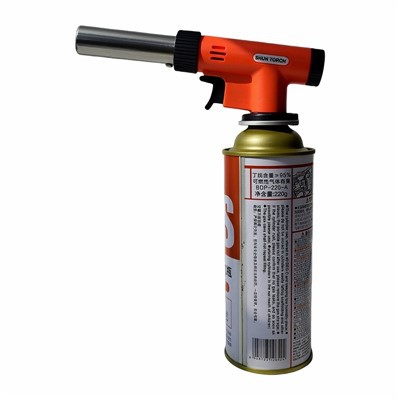
Soldering jewelry with a butane gas torch is a skill that takes time and practice to master. By following the steps and tips outlined in this blog post, you can learn how to use a butane gas torch for soldering jewelry effectively and safely. Remember to always wear protective gear, work in a well-ventilated area, and keep flammable materials away from the torch. If you have any questions or need further assistance, please don’t hesitate to contact us. We’re here to help you with all your butane gas torch and jewelry soldering needs.
Gas Torch If you’re interested in purchasing a high-quality butane gas torch for your jewelry soldering needs, please contact us to discuss your requirements and explore our range of products. We offer a variety of butane gas torches that are suitable for different types of jewelry soldering applications. Our torches are designed to provide reliable performance and precise control, making them the perfect choice for professional jewelers and hobbyists alike.
References
- "Jewelry Making: Techniques and Projects" by Tim McCreight
- "The Complete Guide to Jewelry Making" by Judi Kauffman
- "Soldering for Jewelry Makers" by Lisa Kan
Yuhuan Shunshida Intelligent Electromechanical Co., Ltd.
As one of the most professional bayonet spray gun manufacturers and suppliers in China, we’re featured by quality products and good service. Please rest assured to buy durable bayonet spray gun at low price from our factory. We also accept customized orders.
Address: No. 186 East Nanxing Road, Chumen Town, Yuhuan City, Zhejiang Province
E-mail: yuhuanshunshida@gmail.com
WebSite: https://www.cmssdgastorch.com/
