Hey everyone, it’s Sam from [Your Rare/Special Gas Equipment Company] – if you’re reading this, you’re probably knee-deep in a project that needs hard-to-source specialty gases, or you’re trying to figure out whether the fancy regulator or cylinder you just dropped $$$ on can actually live outside. Spoiler: it’s not a one-size-fits-all answer, and I’ve fielded at least a dozen calls this month alone from folks panicking ‘cause their outdoor test setup didn’t account for a regulator that craps out in 20°F weather. Let’s break this down without all the stuffy industry jargon, okay? Rare/Special Gas Equipment
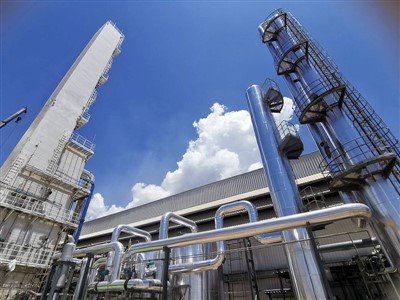
First off, let’s get the basics straight: special gas equipment (that’s regulators, cylinders, valves, flow controllers, the whole kit) isn’t just a metal box – it’s engineered to hold pressure, protect super reactive gases (think acetylene, phosphine, or ultra-high-purity nitrogen that gets ruined by moisture), and not kill anyone if something goes sideways. So “approved for outdoor use” doesn’t mean “can get rained on once” – it means it meets specific safety standards designed to handle the wild, unregulated outdoors.
Here’s the thing most people miss: there’s no universal “outdoor approved” stamp. Different regions have different rules, and different gases have different needs. For example, a regular industrial nitrogen regulator? Yeah, most of the time you can stick that outside – but a regulator for silane? That’s a whole different ballgame. Silane ignites on contact with air, so its outdoor equipment isn’t just rated for weather – it’s rated for leak prevention and extreme temperature swings, too.
Let’s talk standards because that’s the science part, but I’ll keep it simple. In the U.S., that’s NFPA (National Fire Protection Association) and OSHA; in Europe, it’s ISO and CE marking. For outdoor use, the key ratings are usually things like NEMA (National Electrical Manufacturers Association) enclosures – NEMA 4 means water-tight against heavy rain and splashing, NEMA 4X adds corrosion resistance for salt air if you’re near the coast. If your equipment only has a NEMA 1 rating? That’s for indoor only – think office buildings, labs, nowhere near rain, dust, or temperature extremes. I’ve seen guys try to use NEMA 1 regulators outside, and within a month, condensation got inside, froze, and the valve seized up. They had to shell out for a replacement faster than I can say “specialty gas.”
Temperature is another big one. Most standard equipment is rated for 32°F to 100°F, but if you’re working in a Northern climate where it hits -20°F in winter, or a desert where it’s 115°F, you need equipment rated for that range. Some specialty gases (like helium for cryogenics, but wait – cryo equipment is a whole separate thing) require low-temperature rated components, and if you stick a standard regulator out there, the seals crack, leaks happen, and suddenly you’ve got a hazard. I had a customer in Alberta last year who used a standard acetylene regulator outside in January – the seal hardened, a tiny leak developed, and when he fired up his welder, the whole setup nearly went up. He learned the hard way that outdoor-rated means temperature-rated, full stop.
Now, let’s talk about exceptions because not all outdoor use is created equal. If you’re just storing a cylinder in a shaded, covered patio (not direct rain, not extreme cold/heat), that’s different from running a regulator on a mobile test rig that’s sitting out in the sun all day every day. Storing specialty gas cylinders outside? There are rules here, too – NFPA says you can’t store flammable gas cylinders near ignition sources, and you have to secure them so they don’t tip over. Even inert gases like argon can be a hazard if they leak and displace oxygen in a confined space, so outdoor storage needs to be in a well-ventilated area. That’s why we sell outdoor cylinder cages – they’re not just a metal box, they’re designed to let air circulate while keeping the cylinders secure.
Wait, what about the gases themselves? Some gases are super sensitive to their environment, even if the equipment is outdoor-rated. Ultra-high-purity (UHP) gases, which are used in semiconductors or pharmaceutical manufacturing, can get contaminated if the equipment has moisture or dust inside – even if it’s outdoor-rated, you need to make sure it’s got UHP seals and purge ports to keep the gas pure. If you’re using a specialty gas for a lab test indoors, but you’re running the line outside? That equipment still needs to be rated for outdoor use, because it’s exposed to the elements. I can’t tell you how many times a semiconductor manufacturer has called us because their UHP line started picking up contaminants – turns out they used an indoor regulator on an outdoor run, and the seals degraded, letting in air and moisture.
So how do you know if your equipment is actually approved for outdoor use? Don’t just look for a vague “outdoor ready” label – check the specs. If you’re working with a supplier (like us, obviously), ask for the NEMA rating, temperature range, and any specific certifications for the gas you’re using. If you’re buying off eBay or a non-specialty supplier, chances are that “industrial regulator” isn’t outdoor-rated. We’ve had people bring in regulators they bought from a hardware store, thinking they’re for specialty gases, only to find they’re only rated for low-pressure, non-relevant gases, and can’t handle the high pressure of our specialty mixes.
Another common mistake: mobile equipment. If you’re moving a gas setup around outdoors – say, for a construction site, a field test, or a film production – you need equipment that’s vibration-resistant, too. Standard regulators aren’t built to handle being jostled on a truck, so even if they’re rated for temperature and water, they’ll break if you’re bouncing around a job site. We sell outdoor-rated regulators with built-in vibration dampeners for exactly that reason – I learned that the hard way when a customer’s regulator fell off their forklift on a job site, because it wasn’t made for mobile outdoor use.
Now, let’s get into the rules around outdoor use for different industries, because it’s not just a random set of guidelines. For example, in the energy sector, gas detectors and regulators used for pipeline testing have to be outdoor-rated by OSHA to prevent explosions. In medical gas, even if you’re storing cylinders outside (which you usually can’t, for safety), the equipment would need to meet ISO 13485, the medical device standard. Even in research – university labs doing field work – they have to follow EPA rules for gas storage, so their equipment can’t leach anything into the environment. I know a university grad student who tried to run a field study on methane emissions, used an indoor flow controller outside, and accidentally released a small amount of gas that violated local air quality rules. He had to switch to an outdoor-rated controller, which we hooked him up with, to avoid fines.
Wait, what about corrosion? If you’re near the ocean, salt air eats through metal faster than anything. Standard outdoor-rated equipment might have some corrosion resistance, but coastal outdoor use needs NEMA 4X, which is specifically for corrosion resistance. A customer in Florida once tried to use a regular outdoor regulator for a chlorine gas setup – within six months, the salt air had corroded the fitting, and he had a leak that shut down his operation for two days. We swapped it for a NEMA 4X regulator, and he hasn’t had an issue since. It’s the small, easy-to-overlook details like that that make the difference between a smooth project and a disaster.
So let’s recap what you need to do if you’re working with special gas equipment outdoors:
- Stop using “vague” labels – check the NEMA rating, temperature range, and certifications for your specific gas.
- If you’re storing cylinders outside, use a secured, ventilated cage that meets NFPA standards.
- For mobile outdoor setups, make sure equipment is vibration-resistant, too.
- Don’t skimp on corrosion resistance if you’re in a coastal, dusty, or industrial area.
- If you’re working with high-purity, flammable, or toxic gases, double-check that the equipment is rated for those specific hazards – not just general outdoor use.
I get it – it’s easy to cut corners, especially when you’re on a tight project timeline. But I’ve seen way too many people end up paying way more for a replacement part, a safety inspection, or a fine than they would have if they’d just bought the right outdoor-rated equipment in the first place. We always tell customers, “It’s not worth the risk” – and that’s not just a sales pitch, it’s based on 10 years of dealing with mishaps that could have been avoided.
If you’re sitting here thinking, “Okay, I’ve got a setup, but I don’t know if it’s outdoor-approved,” or “I need to source outdoor-rated regulators for my specialty gas project, and I don’t want to mess up,” hit us up. We don’t do one-size-fits-all – we’ll ask you what gas you’re using, where it’s going, what the temperature swings are, and walk you through exactly what you need. No jargon, no pushy sales, just straight talk to make sure your project doesn’t derail because of a cheap, wrong piece of equipment.
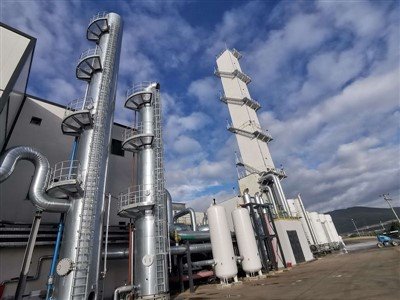
At the end of the day, special gas equipment outdoor use isn’t just about weather – it’s about safety, compliance, and keeping your project running without hiccups. Don’t take chances with something that can cause a hazard or cost you money. Reach out, and we’ll make sure you get the right gear for the job.
Air Separation Unit References
- National Fire Protection Association (NFPA) 55: Standard for Compressed Gas and Cryogenic Fluids Systems
- International Organization for Standardization (ISO) 14113: Gas Cylinders – Valves for Special Gases
- National Electrical Manufacturers Association (NEMA) 250: Enclosures for Electrical Equipment (1000 Volts and Less)
- Occupational Safety and Health Administration (OSHA) 1910.101: Compressed Gases (General Requirements)
Hanturbo Technology (Zhejiang) Co., Ltd.
Hanturbo Technology (Zhejiang) Co., Ltd. is one of the most professional rare/special gas equipment manufacturers and suppliers in China, also supports custom service. We warmly welcome you to buy discount rare/special gas equipment made in China here and get quotation from our factory. For price consultation, contact us.
Address: Zhejiang University-Hangzhou International Science and Innovation Center, Building C14, No.2118 Pinglan Road, Xiaoshan District, Hangzhou, 311200, China.
E-mail: andyxu@hanturbo.com.cn
WebSite: https://www.hanturbo-gas.com/
