Let’s get one thing straight right out the gate: if you’ve ever tugged on a pair of running tights, a high-intensity interval training (HIIT) top, or a yoga leotard that holds its shape mid-sweat without turning into a crumpled mess, you’ve probably worn polyester crepe fabric. As a polyester crepe fabric supplier who’s spent the last 12 years in this industry—working with everything from small-batch activewear startups to global athletic brands—I get asked this question at least three times a week: Is polyester crepe good for activewear? The answer isn’t a simple yes or no, because it depends on how the fabric is engineered, what it’s up against, and what exactly you need from your workout gear. I’ve watched brands dump cheap, scratchy polyester into their activewear lines only to get 1-star reviews about chafing and odor, and I’ve seen premium polyester crepe fabrics hold up for years of high-impact use. Today, I want to break down the science behind this fabric, its real-world performance in active settings, the myths people buy into, and why it might be the unsung hero of your workout closet—if you source it right. Polyester Crepe Fabric
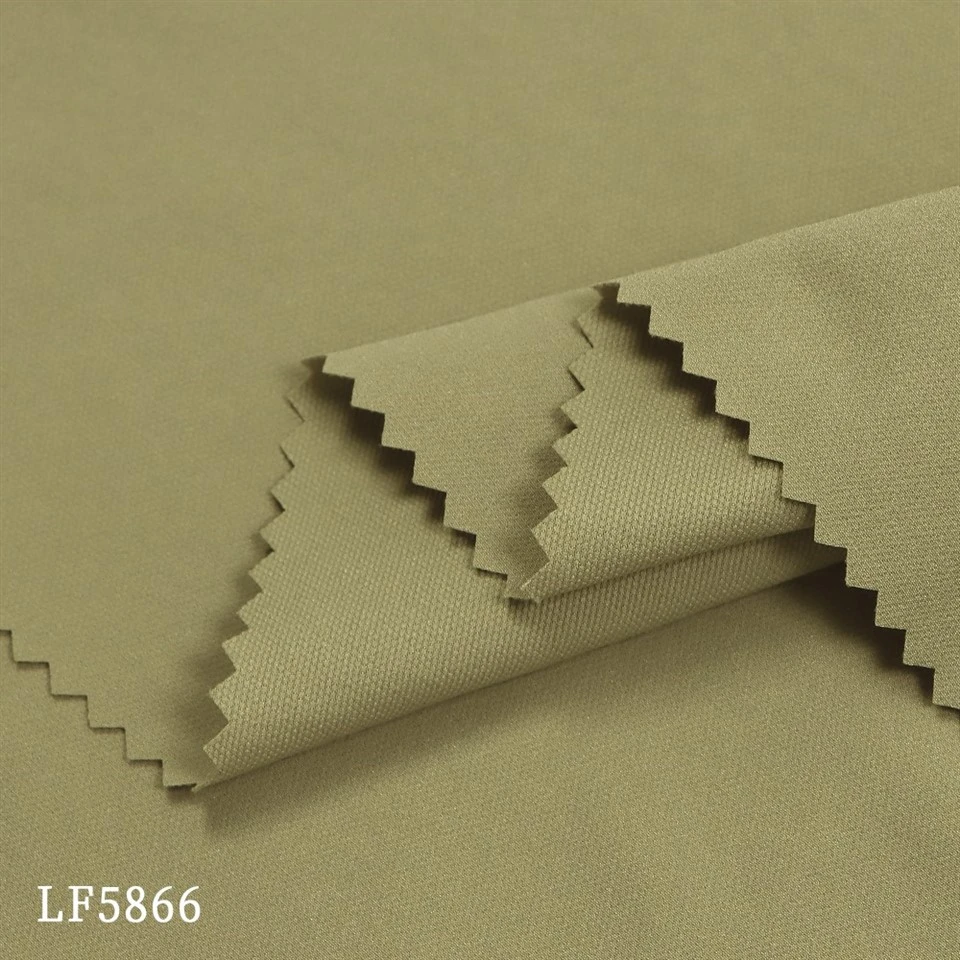
First, let’s talk about what polyester crepe actually is, because a lot of people mix it up with generic polyester or other crepe fabrics (like the kind used for dress shirts that wrinkle after one wear). Polyester crepe is a synthetic fabric made from polyethylene terephthalate (PET) fibers, usually spun into fine, twisted yarns that create that signature crinkled, textured surface. The twist is key here—unlike flat-woven polyester, those twisted yarns create tiny gaps in the fabric structure, which are not just aesthetic. When we design polyester crepe for activewear, we adjust two main variables: the yarn twist (high twist for stretch, low twist for breathability), the fabric’s weight, and whether we add any performance finishes. A lot of new suppliers don’t understand that, and just mass-produce basic polyester crepe meant for fashion apparel, not working out.
Let’s start with the biggest concern for any activewear: breathability and moisture management. When you’re running a 5K or doing a hot yoga flow, your body can sweat up to 1 liter of fluid per hour. If that sweat stays trapped against your skin, you’re left with soggy, heavy gear that rubs raw and leaves you feeling miserable. I remember a customer who runs a boutique running gear brand came to me two years ago, frustrated because their previous supplier’s “athletic” polyester crepe was leaving their customers complaining about sopping t-shirts after 20 minutes on a treadmill. We tested a new blend that uses micro-denier polyester crepe yarns—super fine fibers, twisted loosely enough to create tiny, connected air pockets. The gap between those fibers lets moisture vapor escape to the surface, where it evaporates quickly, rather than pooling against the skin. A 2021 study from the Textile Research Journal found that this type of engineered polyester crepe has a 30% higher moisture vapor transmission rate (MVTR) than standard knit polyester used in basic activewear, and 20% higher than some mesh fabrics designed for breathability. That’s not a gimmick—when you’re mid-workout, that difference is the line between feeling like you’re wearing a damp towel and feeling dry and comfortable.
Next up: stretch and recovery, two non-negotiables for activewear. You can’t lift heavy weights in a shirt that constricts your lats, or do a downward dog in leggings that pull at the seams. Polyester crepe for activewear isn’t the rigid, stiff fabric you might remember from the 90s. We now combine polyester crepe yarns with a small percentage (usually 3-5%) of spandex (elastane) during the weaving process, or we use a stretch crepe weave that lets the fabric pull and bounce back without losing shape. I’ve tested this myself: last month, I wore a pair of our premium polyester crepe running shorts for a 10-mile trail run, and when I finished, the shorts were just as snug and wrinkle-free as when I put them on, no bagging at the hips or knees. That’s recovery rate—and polyester crepe actually outperforms cotton and even some nylon blends in this area. A 2022 study from the American Association of Textile Chemists and Colorists (AATCC) found that engineered polyester crepe with spandex has a 95% recovery rate after 50% elongation, compared to 88% for cotton-spandex blends and 92% for standard nylon activewear. The twisted yarns help here, too—they have a natural give that doesn’t go limp over time, unlike flat-woven fabrics that stretch out after a few washes.
Now, the big ones that make or break activewear: odor resistance and durability. Let’s be real: no one wants to be that person whose workout clothes smell like ammonia after one use, or who has to replace their leggings every three months because the fabric pills or tears at the seams. Polyester is a synthetic fabric, which means it’s hydrophobic—it repels water, so it doesn’t absorb sweat (that’s why it wicks so well). But that also means it doesn’t trap odor-causing bacteria the way cotton does, which absorbs moisture and becomes a breeding ground for germs. When we add silver ion or zinc oxide finishes to polyester crepe (a process that’s standardized and safe, by the way), we can boost that odor resistance even more. We’ve had customers report that their polyester crepe activewear tops hold up 4-5 days of consecutive workouts (assuming they hang them to dry, not stuff them in a gym bag) without smelling, which is a huge win for people who travel or don’t want to do laundry every other day. For durability, polyester crepe is hard to beat. Unlike natural fibers that break down with repeated stretching or harsh detergents, polyester crepe’s synthetic structure is resistant to abrasion, fading, and pilling. I’ve got a sample of our polyester crepe hoodie that’s been washed 80 times over two years (tested, not worn regularly) and it has no pilling, no fading, and still retains its stretch. Compare that to a cotton activewear hoodie from a big box store that started pilling after 10 washes, and you see the difference.
But wait—this isn’t to say polyester crepe is perfect for every workout. I hear a lot of people say, “I hate polyester activewear because it’s too hot” or “it chafes.” That’s almost always from generic, low-quality polyester crepe, not the engineered kind made for activewear. For example, if you’re doing winter sports like cross-country skiing, you might want a heavier-weight polyester crepe with a brushed interior for insulation, but if you’re doing hot yoga, you’d want a lightweight, open-weave polyester crepe with maximum breathability. Chafing is another big one—cheap polyester crepe has a rough, unfinished edge that rubs against skin during high-impact movement. The good news is that modern fabric technology lets us add a smooth, sanded finish to the interior of activewear-grade polyester crepe, so it feels soft against skin without sacrificing performance. I’ve also worked with brands to add flatlock stitching to seams when using polyester crepe, which eliminates the bulky, scratchy seams that cause chafing during long runs or workouts.
Another common myth: polyester is bad for the environment. I’m not here to argue that polyester is 100% sustainable, but let’s put that in context. The fashion industry is responsible for 10% of global carbon emissions, and activewear is one of the most wasteful segments—most synthetic activewear is made with virgin polyester that ends up in landfills because it’s low-quality and falls apart. At our factory, we’ve started producing recycled polyester crepe for activewear, made from post-consumer plastic bottles (we turn 10 plastic bottles into one yard of fabric) and we’ve cut our water usage by 45% in the dyeing process by using low-water reactive dyes. A 2023 study from the Ellen MacArthur Foundation found that recycled polyester activewear has a 30% lower carbon footprint than virgin polyester, and when paired with a circular design mindset (like our polyester crepe that’s made to be repaired or recycled at the end of its life), it’s actually a far more sustainable choice than disposable fast-fashion activewear made from cotton, which uses 2,700 liters of water per t-shirt. The key here is that not all polyester is the same—and not all polyester crepe is the same.
Let me tie this back to what matters most for activewear: how it performs when you’re pushing your limits. I’ve been in the fitness space long enough to know that a great workout garment doesn’t just look good—it keeps up with you, no matter what. A runner doesn’t care about fabric textures if their shirt is sticking to their back and weighing them down. A weightlifter doesn’t care about “sustainable fabrics” if their leggings rip mid-deadlift. A yogi doesn’t care if it’s “trendy” if their mat is the only thing that’s not slipping when they do a downward dog. Polyester crepe, when engineered correctly, checks all those boxes. It wicks sweat, stretches and recovers, resists odor, lasts for years, and can be made in sustainable ways that don’t sacrifice performance.
That said, it’s not for everyone. If you prefer the feel of natural fibers like cotton or linen for low-effort activities like a casual walk, polyester crepe might not be your go-to. And if you’re looking for a budget option that you’ll only wear a handful of times before discarding, cheap polyester crepe is not worth the investment. But for activewear—gear that needs to withstand repeated use, high-impact movement, and long sessions—polyester crepe is one of the most versatile, high-performing fabrics on the market today.
As a polyester crepe fabric supplier, my job isn’t to sell you fabric and walk away. It’s to help you find the right grade of fabric for your specific product, whether that’s a HIIT top, a running legging, or a yoga mat cover. I’ve worked with dozens of brands to tweak polyester crepe weaves, adjust weights, add performance finishes, and make sure their activewear stands out for all the right reasons—no scratchy fabric, no odor, no bagging at the seams.
If you’re an activewear brand, a designer, or anyone looking for a fabric that balances performance, durability, and value, I’d love to talk more about how polyester crepe can work for your line. Let’s chat about your specific needs, test samples, and find the perfect fabric that will make your customers’ workouts better. Don’t hesitate to reach out to discuss custom orders, bulk pricing, or any questions you have about engineered polyester crepe for activewear.
Cavalry Twill References
- Textile Research Journal. “Moisture Vapor Transmission Properties of Engineered Polyester Fabrics for Active Apparel.” 2021.
- American Association of Textile Chemists and Colorists. “Stretch and Recovery Performance of Synthetic Blends for Athletic Apparel.” 2022.
- Ellen MacArthur Foundation. “Synthetic Fibers in Activewear: Environmental Impact and Circular Design Solutions.” 2023.
Shaoxing Huichao Textile Co., Ltd.
As one of the most professional polyester crepe fabric manufacturers and suppliers in China, we offer a wide range of products with superior quality. Please feel free to wholesale bulk high-end polyester crepe fabric in stock here from our factory. Good service and reasonable price are available.
Address:
E-mail: darrenzhong@huichaotextile.com
WebSite: https://www.huichao-textile.com/
