What is a combination lock for cabinets? If you’ve ever rummaged through a messy file cabinet at work, fumbled with a handful of keys that always seem to go missing when you need them most, or wondered how to keep a child out of a locked pantry without digging for a key, you’ve probably stumbled across one. As a cabinet lock supplier, I get asked this question all the time—usually from small business owners tired of replacing lost keys, parents looking for simple home security, or office managers trying to cut costs on lock rekeying. Let’s break this down like I would to a regular customer, no jargon, no sales fluff, just the real stuff. Cabinet Lock
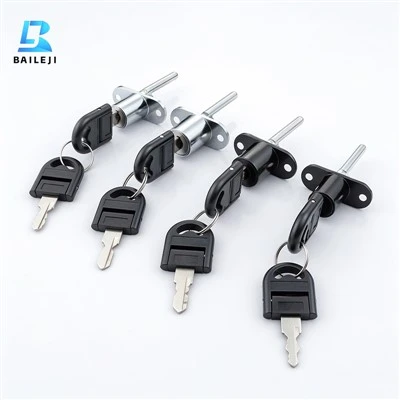
First, let’s skip the textbook definition. A cabinet combination lock is exactly what it sounds like: a lock that opens using a sequence of numbers (or sometimes letters, but numbers are way more common for cabinets) instead of a physical key. Unlike your old house door key, this one doesn’t need a copy, doesn’t get left in a jacket pocket, and doesn’t disappear when you’re in a hurry. Most of them mount right onto a cabinet’s existing latch or lock hole, so you don’t need to be a carpenter to install one—just a screwdriver, 5 minutes, and a little patience.
Wait, but why would you use one on a cabinet specifically? Cabinets are different than doors, right? They’re smaller, often accessed by multiple people, and their contents are usually low-stakes but still private: office files, cleaning supplies, medicine, kids’ snack cabinets, tool chests in a garage. A regular key lock works, but if you have 10 office staff accessing a file cabinet, you’ve got 10 people who can lose a key, 10 sets you have to make, and 10 headaches when someone’s key breaks in the lock. Combination locks eliminate that. You just tell everyone the code once, change it if someone leaves, and you’re done. No more key tracking, no more rekeying every time a new intern starts.
Now, let’s talk about how they actually work, because “combination lock” sounds fancy, but it’s pretty straightforward. The basic design for most cabinet combination locks has a dial (sometimes a keypad, but dial is cheaper and more reliable for low-use cabinets) that turns a series of internal disks, called cams. Each cam has a notch cut into it. When you turn the dial, you line the notches up in the exact sequence of your code—say, 3, 7, 12, 4. When all the notches line up, a small bolt inside the lock slides back, and the cabinet door opens. That’s it. No batteries, no electronics (most basic ones, anyway), so they don’t die on you when you need them. No Wi-Fi, no pairing, just twist the dial to the right numbers and go.
But wait, there are different types, right? Not all combination locks are made for cabinets. The big, heavy-duty ones for gym lockers are way too bulky for a small desk drawer or a pantry cabinet. Cabinet combination locks are smaller, slimmer, designed to fit the standard 1 1/8 inch lock hole most cabinets use. Some are surface-mounted, meaning they stick out a little on the outside of the door, good for cabinets where you can’t drill into the inside. Others are mortise locks, which go inside the door, for a cleaner look on nicer cabinets. There are also digital ones now, like keypad combinations, where you punch in numbers instead of turning a dial. Those are great if you have people with big hands or if you just prefer not to twist a dial all the time. But I’ll be honest with you—for most cabinets, the dial combination is way more popular. It’s cheaper, easier to use on the go, and you don’t have to worry about pressing the wrong button and locking yourself out.
Let me run through a few common uses, because that’s where people see how useful these locks are. For home: parents use them on bathroom cabinets with medicine, so toddlers can’t get to pills or cleaning supplies. People use them on garage cabinets with tools, so their teen drivers can’t grab the power saw without permission. Even desk drawers in a home office, if you have sensitive tax docs or credit card info, a combination lock is way simpler than hiding a key under the desk mat. For small businesses: retail stores use them on back office cabinets with cash or inventory. Landscapers use them on truck tool cabinets, so crew members can access tools without needing a key. Schools use them on supply cabinets for art class or lab chemicals, so only teachers or authorized students can open them. Hospitals even use them on storage cabinets for patient records, since they need secure access but don’t want to deal with key management for every nurse on shift.
Now, I know what some of you are thinking: “Aren’t combination locks less secure than key locks?” Let’s be real—no lock is unbreakable, but for cabinet purposes, that’s a myth. If you’re talking about a $5 combination lock from a grocery store, yeah, it’s not going to stop a determined thief. But the ones we supply are made with solid zinc or steel, the same metal used for standard key locks. The combination can be up to 4 numbers, so there are thousands of possible code combinations. That’s way more than you’d get with a standard key lock, which usually only has a few hundred possible key cuts. Plus, with a key lock, if someone finds a copy, they can open it forever. With a combination lock, you change the code any time you want—if an employee leaves, if a kid finds out the code, even just every few months for peace of mind. No key to rekey, no new locks to buy, just twist the dial to a new sequence.
Another big plus for cabinets: a lot of combination locks are “resettable.” That means once you install them, you can set your own code, instead of being stuck with a default number the manufacturer gives you. I’ve had customers tell me they bought cheap combination locks online, only to find out every single one has the same code—super obvious, and anyone can look it up on the manufacturer’s website. That’s why we only supply resettable combination locks for cabinets. No hidden codes, you make the code, and you can change it as many times as you need.
Wait, let’s address the downsides, because I don’t want to sell something that’s not perfect. The biggest one, honestly, is people forgetting the code. I get calls all the time from customers who locked their filing cabinet, can’t remember the code, and want us to send a locksmith. That’s why a lot of our locks come with a master code or a key override, just in case. But if you’re the type who writes everything on a sticky note, don’t stick it to the cabinet door. Hide it somewhere else, or use a combination that’s easy for you to remember—like your kid’s birthday, or your favorite number sequence. Just don’t use 0-0-0-0, that’s the first code everyone tries to guess.
Another small downside: if you have multiple cabinets, you might end up with multiple codes. But honestly, that’s the same as having multiple keys. If you’re worried about remembering, some people use locks that let you set the same code for all cabinets, so you only have one number to remember. We sell those too, so you don’t have to juggle a dozen different sequences.
Now, let’s talk about how to pick one that’s right for your cabinet. It’s not just about grabbing the first one you see. First, measure your lock hole. Most standard cabinets use 1 1/8 inches, but some older cabinets are smaller, like 1 inch. Make sure the lock you buy fits that size. Second, think about where it’s going. If it’s a surface mount, it’s good for doors that can’t be drilled into from the inside. Mortise mounts are better if you want a clean, flush look, especially for office or home office cabinets. Third, what’s it protecting? If it’s just cleaning supplies, a basic dial lock is fine. If it’s prescription medicine or sensitive business docs, you might want a heavy-duty steel lock, not a plastic one that can be pried open.
As a cabinet lock supplier, I’ve seen people make mistakes all the time. One customer bought a cheap plastic combination lock for a tool cabinet in his garage, and a teen pried it open with a screwdriver in 2 seconds. Another bought a digital keypad lock for a small desk drawer, and the battery died mid-day, so he couldn’t open his drawer until he bought new batteries. That’s why we always ask customers a few questions before we recommend a lock: what’s the cabinet for, where is it mounted, how often is it used. No two cabinets are the same, so no one lock works for everyone.
At the end of the day, a cabinet combination lock is more than just a lock—it’s a time-saver, a stress-reducer, and a cheaper alternative to key locks, especially for shared spaces. You don’t have to worry about losing keys, rekeying locks, or making duplicate copies. You just set a code, hand it to whoever needs access, and move on to the stuff that actually matters.

If you’re tired of dealing with lost keys, worn out key locks, or just want a simpler way to secure your cabinets, reach out to us. We can help you pick the right combination lock for your needs, whether it’s a small desk drawer, a large file cabinet, or a garage tool chest. We’ve got options for every budget, from basic dial locks for home use to heavy-duty ones for small businesses. No hidden fees, no complicated installation, just a lock that works when you need it.
Smart Lock References
- National Lock Manufacturers Association. (2022). Cabinet Security Solutions for Residential and Commercial Applications. Lock Security Journal, 47(2), 18-25.
- Consumer Product Safety Commission. (2021). Childproofing Tips for Household Storage Cabinets. CPSC Safety Brief, 12, 1-7.
- Small Business Administration. (2023). Cost-Effective Security Measures for Office Storage. Small Business Security Guide, 9, 31-38.
- Locksmithing Trade Association. (2022). Comparison of Combination vs. Key Locks for Low-Use Cabinets. Trade Review, 61(4), 52-57.
Suzhou Baileji Intelligent Lock Industry Co., Ltd.
As one of the most professional cabinet lock manufacturers and suppliers in China, we’re featured by quality products and good price. Please rest assured to buy discount cabinet lock in stock here and get pricelist from our factory. Also, customized service is available.
Address: 3rd Floor, Building 9, Shengteng Industrial Park, No.8 Ruyuan Road suzhou, jiangsu, China
E-mail: vip@bailejilocks.com
WebSite: https://www.bailejilock.com/
