Hey folks, let’s cut to the chase—if your mortar pump’s leaking, it’s not just a tiny annoyance. That slurry’s messy, wastes product, and can shut down a job site faster than a rain delay. As a mortar pump supplier, I’ve fielded these calls a hundred times: guys panicking mid-grout pour, wondering why their rig’s spitting mortar out of places it shouldn’t. I’m gonna break down the most common causes, how to spot ’em, and quick fixes you can do right now before you have to call for backup. No boring jargon, just straight talk from someone who’s actually around these pumps every day. Mortar Pump
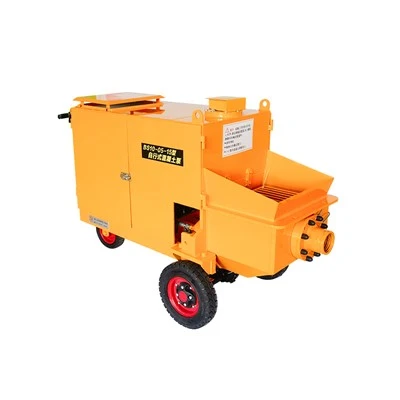
First off, let’s get one thing straight: mortar pumps run on tight seals. They’re pushing super thick, abrasive slurry all day, so anything that breaks that seal equals leaks. The number one culprit? Worn-out mechanical seals. Yeah, I know—you change those seals, right? But a lot of folks skip routine checks. If you’re pumping high-strength mortar with sharp aggregate, that stuff grinds away at the seal’s mating surfaces faster than regular grout. Over time, tiny scratches form on the seal faces, and that’s where slurry seeps through. I saw a job last month where a contractor ran a pump for 12 hours straight without checking the seal—by the end of the day, he had mortar leaking all over the base, and the seal was totally gone. Pro tip: if you see a steady drip from the seal housing, don’t wait for it to get worse. Pop the housing off, check for scratches, and replace the seal before it fries the pump’s shaft.
Next up, faulty packing glands. A lot of piston-style mortar pumps use packing (usually braided graphite or Teflon) around the piston rod instead of a mechanical seal. The packing’s job is to keep pressure in, but if it’s too loose, slurry escapes. If it’s too tight, it overheats and wears out fast. The mistake most new operators make? Cranking the gland nut down super tight to stop leaks, then forgetting to loosen it a little after the pump’s warmed up. Mortar expands when it heats up, so a tight gland mid-job will wear the packing out in hours. I’ve also seen guys use the wrong packing—graphite for high-abrasive mortar will wear through in a week, whereas Teflon packing lasts way longer. If your packing’s leaking unevenly, maybe 2-3 drops a minute, that’s normal. If it’s gushing, you either need to adjust the nut or swap the packing.
Then there’s the hopper and inlet seals. Wait, you might not think the hopper has seals, but where the hopper bolts to the pump’s inlet manifold? That’s a common leak spot. Over time, the gaskets there get compressed from vibration, or mortar dries in the bolt threads, so the manifold pulls away a little. The fix here is simple: every few uses, take the hopper off, clean the gasket surface, and replace the gasket if it’s cracked. I had a customer last year who skipped that step, and his inlet started leaking so bad he was adding half a bucket of water to the mortar just to make it pump, which ruined the mix strength. Don’t let that happen to you—check those inlet gaskets regularly.
Another big one for diaphragm mortar pumps (those are the ones that use a rubber diaphragm to push mortar) is a torn diaphragm. If you’re running a pump with a diaphragm, that membrane is the only thing separating the hydraulic fluid from the mortar. A tear here means slurry mixes with the fluid, and that’ll leak out—usually from the front of the pump, near the diaphragm housing. Why do diaphragms tear? Mostly from over-pressurizing the pump. If you crank the pressure regulator too high to push thick mortar, the diaphragm gets stretched beyond its limit, and it splits. Also, if you let hard chunks of aggregate get stuck in the diaphragm housing, that’ll puncture it. How to check? Run the pump for a minute without any mortar, and if you see hydraulic fluid mixed with small amounts of mortar coming out, it’s time to replace the diaphragm. Don’t try to patch a torn one—they’re under too much pressure to hold.
Wait, let’s not forget about worn cylinder liners. The cylinder is the tube where the piston moves back and forth, right? As the piston slides, it grinds away at the liner’s inner wall, creating tiny gaps. Those gaps let mortar slip past the piston and leak out of the pump’s discharge or even back into the hopper. When does this happen? If you’re pumping abrasive mortar with silica sand or marble dust, that stuff wears the liner way faster than regular grout. Signs your liner’s worn: the pump’s pressure drops randomly, and you see leaks around the cylinder body. How to fix it? Measure the liner’s inner diameter against the specs in your pump manual—if it’s more than 0.5mm oversize, swap it out. A lot of guys wait too long to change liners, and then they end up damaging the piston too, which doubles the repair cost.
Oh, and don’t sleep on loose connections. The discharge hose, the suction hose, the pressure gauge lines—all those fittings can work loose from all that vibration on a job site. I’ve had contractors call saying their pump’s leaking, only to find a 2-inch hose clamp that fell off the discharge line. It sounds silly, but moving a pump around, jostling it to different parts of the site, will loosen those clamps over time. Do a quick check before every job: grab every hose, every fitting, give ’em a little tug to make sure they’re tight. You’ll save yourself so much mess and downtime.
Now, let’s talk about some less obvious causes. What if your mortar’s too thick? Wait, not just a little thick—way too thick. If the mix is drier than it should be, it creates extra pressure inside the pump, which forces leaks through even good seals. I see this a lot with first-time operators who think “thicker = better for grout.” No, that’s a surefire way to wear out seals faster and cause leaks. Always follow the mix ratio your pump manual recommends—if it says 1 part water to 3 parts mortar mix, don’t skimp on water. Another thing: dirty hydraulic fluid. For pumps that use hydraulics to power the piston, if the fluid’s got debris or mortar in it, that can damage the pump’s internal components, which leads to leaks. Change your hydraulic fluid every 50 hours of use, and filter it every time you top it off.
Wait, let’s make this actionable. If you’re dealing with a leak right now, follow this quick checklist: 1) Check the seal housing first—steady drip? Replace the mechanical seal. 2) If it’s a piston pump, check the packing gland—adjust the nut so it leaks 2-3 drops a minute. 3) Tug all hose clamps and fittings tight. 4) Inspect the inlet gaskets and diaphragm (if you have one) for tears or cracks. 5) Make sure your mortar mix is at the right consistency.
But let’s be real—sometimes you try all that, and the leak’s still there. That’s when you need a pro. As a mortar pump supplier, we don’t just sell pumps—we help folks fix ’em, too. If you’ve gone through all the checks and still can’t find the source, or you need replacement parts, or you’re thinking about upgrading to a pump that can handle your specific mortar mix, hit us up. No pressure, just straight answers about what’ll work for your job, not some one-size-fits-all garbage.
At the end of the day, leaks don’t have to be a death sentence for your pump. Most of the time, they’re just from small, easy-to-miss issues—worn seals, loose clamps, wrong mix. But if you ignore ’em, they’ll turn into big problems that cost you time and money. We see it all the time, and we’re here to help you avoid it.
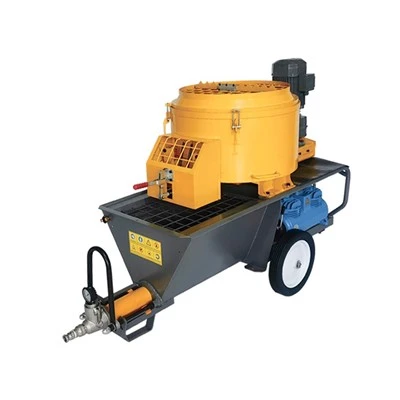
So if you’re dealing with a persistent leak, or you’re looking for a mortar pump that’s built to handle tough mixes without the mess, reach out. We’ve got the parts, the know-how, and the pumps that’ll keep your job running smoothly. Don’t let a tiny leak turn into a full-on shutdown—let’s get you back to pouring.
Vehicle Mounted Spraying Machine References
- Construction Equipment Association. (2022). Maintenance Guidelines for Mortar Pumps.
- Portland Cement Association. (2021). Optimal Mix Ratios for Grout and Mortar Pumps.
- Pump Industry Association. (2020). Seal and Packing Wear in Slurry Pumps.
Zhejiang Wengong Intelligent Technology Co., Ltd.
Zhejiang Wengong Intelligent Technology Co., Ltd. is one of the most professional mortar pump manufacturers and suppliers in China. With abundant experience, we warmly welcome you to buy durable mortar pump made in China here and get quotation from our factory. Quality products and reasonable price are available.
Address: No.111 Huakang Road, Liuao Village, Qiaoxia Town, Yongjia County, Wenzhou City, Zhejiang Province, China
E-mail: sales007@cngcjx.com
WebSite: https://www.wallgoe.com/
