Let’s cut to the chase—if you’ve ever stood in the body care aisle, staring at two identical-looking moisturizers, one labeled “day” and the other “night,” you’ve probably asked the same question: do I actually need both? As someone who’s spent the last decade working in body care, formulating products and talking to thousands of customers about their skin struggles, I get it. It’s easy to feel like every step is a gimmick, another way brands make you spend more money. But here’s the thing: day and night body moisturizers aren’t just marketing buzzwords. They’re built for the specific needs your skin has when the sun’s out versus when you’re asleep. And I’m not here to sell you two products—wait, no, that’s exactly what I’m here to explain, because understanding why they work differently might help you make a choice that’s right for your skin. BODY CARE

First, let’s talk about what your skin goes through during the day. When you’re up and moving, your body skin is exposed to a lot more than just regular humidity and air. If you’re walking to work, you’re getting hit with UV rays—even on cloudy days, 80% of the sun’s UV radiation penetrates cloud cover. If you work in an office, you’re blasting AC that dries out your arms and legs. If you’re commuting, you’re dealing with wind, which can strip your skin’s natural protective barrier. Your day moisturizer isn’t just about hydration; it’s about defense. That’s why most day formulas are lighter—they need to sink in fast, not leave a heavy, greasy residue that makes your clothes stick to your skin or clog pores. I’ve seen too many customers skip day moisturizer because they don’t want that sticky feel, but that’s a mistake. A good day formula will have humectants (like hyaluronic acid, which draws moisture from the air into your skin) and maybe even lightweight antioxidants, like vitamin C or green tea extract, to fight the free radicals that come from UV exposure and pollution.
Wait, let’s pause for a second—what’s the skin’s barrier? That’s the thin layer of oils, proteins, and lipids that holds moisture in and keeps irritants out. During the day, that barrier is under constant attack. So a day moisturizer should also have ceramides or niacinamide to strengthen that barrier, right? That way, you’re not just adding moisture—you’re preventing it from escaping before you even get home for the night. I remember a customer last month, a 32-year-old teacher, told me she’d been using the same thick night cream in the morning for years, and by lunch, her legs felt tight and dry. She said she thought her skin was just getting older, but when she switched to our day body lotion, she called me a week later saying her tightness was gone. She realized the heavy night cream was sitting on top of her skin all day, blocking the little bits of moisture that were already there, and clashing with the AC in her classroom. That’s the kind of real, daily struggle I see all the time.
Now, what about night? When you’re sleeping, your skin does something pretty amazing—it goes into repair mode. That’s when collagen production ramps up, when your skin’s natural turnover (shedding old cells, making new ones) happens, and when it needs extra nourishment to fix the small damage it got during the day. A night body moisturizer is usually thicker, richer, with ingredients that work while you’re unconscious. Things like shea butter or cocoa butter, which are emollients that fill in the gaps in your skin’s barrier, and maybe even exfoliants like lactic acid (a gentle AHAs) to slough off dead skin cells that can make your legs look dull and feel rough. I’ll be honest—for people with dry skin, eczema-prone skin, or even just skin that gets super tight in the winter, a night moisturizer isn’t a luxury. It’s a necessity. Because while you’re tossing and turning under the covers, your skin is losing moisture too—from your pajamas, from the heated air in your bedroom, even from just breathing. A thick night cream locks in that hydration so when you wake up, your skin feels soft, not like it’s been through a wringer.
But let’s not make this sound like a one-size-fits-all rule. Some people can get away with a single moisturizer, and that’s totally fine. If you have normal, well-hydrated skin, and you’re someone who doesn’t spend a lot of time in harsh conditions, a versatile moisturizer that works both day and night might be enough. But if you have combination skin, acne-prone body skin (yes, your back and chest get acne too), or if you live in a place with extreme temperatures (dry, cold winters, hot, sunny summers), splitting your routine might make a huge difference. I had another customer, a 24-year-old runner, who would get really bad chafe on her thighs during long runs. She was using a general moisturizer, and it was rubbing off mid-run, leaving her skin raw. When she started using our day moisturizer (which has a little extra slip and doesn’t rub off easily) before her runs, and our night moisturizer after, to soothe the raw skin, she said it changed her whole routine. That’s the kind of targeted benefit you don’t get when you use the same product for 12 hours straight.
Wait, let’s get into the science a little, because I hate when brands spout “science” without backing it up. Studies have shown that transepidermal water loss (TEWL)—that’s the amount of moisture your skin loses through its barrier— is higher during the day than at night. One study from the International Journal of Cosmetic Science found that TEWL in sun-exposed areas (like arms, legs, shoulders) can be 30% higher during the day than after dark, because UV radiation damages the lipids in your skin’s barrier. That’s why a day moisturizer with barrier-strengthening ingredients is non-negotiable for preventing that loss. At night, another study in the Journal of Investigative Dermatology found that skin’s blood flow increases by about 15% during sleep, which means it can absorb larger molecules better. So night moisturizers can have thicker, more nourishing ingredients that wouldn’t work as well during the day—they just sit on top, make you greasy, and don’t do as much good. That’s why you’ll never see a heavy night cream marketed as a day product—it’s just not designed to be absorbed fast enough.
I should also address the elephant in the room: cost. A lot of people think, “why buy two moisturizers when I can buy one?” That’s a totally valid concern. But here’s the thing—you don’t have to spend $50 on two separate products. As a body care supplier, we’ve formulated both day and night lines to be affordable, because we know body care shouldn’t be a luxury. Our day lotion is priced at half the cost of our night cream, because it’s lighter and uses fewer of the premium thickeners, but it has all the defense ingredients you need. Our night cream uses more natural butters and repair oils, so it’s a little more expensive, but it’s concentrated—you only need a nickel-sized amount for your legs, not a glob. So total, it’s still cheaper than if you bought two random products from different brands, and you’re getting something that’s tailored to your skin’s needs.
Another common question: can I skip the day moisturizer if I’m wearing sunscreen? Yes, but only if your sunscreen has moisturizing properties. But most sunscreens, especially the chemical ones, can be drying. If you’re using a physical sunscreen (the kind with zinc oxide), it can feel chalky and sit on top of your skin. A good day body moisturizer will pair perfectly with sunscreen—you apply the moisturizer first, let it sink in, then the sunscreen on top. That way, your skin is hydrated, and the sunscreen doesn’t pill or rub off. I’ve had customers tell me they used to skip moisturizer entirely before sunscreen, and their skin would get dry, itchy, and even break out. Now, they do the moisturizer first, and their skin is way happier.
What about people with oily body skin? You might think you don’t need a moisturizer at all, but that’s not true. Oily skin still needs hydration—if you skip moisturizer, your skin will overproduce oil to compensate for the dryness, which can lead to more breakouts. A light, oil-free day moisturizer is perfect for oily skin—it adds just enough hydration without clogging pores. And a night moisturizer for oily skin shouldn’t be super thick—look for one with hyaluronic acid instead of heavy butters, so it’s nourishing but not greasy. I have a friend with very oily back skin, and she swears by our day oil-free lotion. She says her back breakouts are way less frequent now that she’s hydrating, not just drying her skin out.
Let’s wrap this up, because I know you’re probably scrolling through your phone, trying to decide what’s best for you. The short answer is: it depends on your skin, your lifestyle, and your environment. If you’re someone who’s out in the sun all day, works in a dry office, or has dry, sensitive skin, splitting your routine into day and night is going to make a huge difference in how your skin feels and looks. You’ll have less tightness, better defense against environmental damage, and softer, more hydrated skin when you wake up. If you have normal, well-hydrated skin and don’t deal with a lot of skin issues, a single, versatile moisturizer is totally fine—no need to overcomplicate things.
But here’s the thing I always want people to remember: body care isn’t about following trends. It’s about listening to your skin. Your skin has different needs at 2 p.m. than it does at 2 a.m., and the right moisturizers meet those needs. As someone who’s spent years formulating these products, I can tell you that the best part of my job isn’t just making money—it’s seeing customers tell me their skin feels better after switching to a routine that works for them.
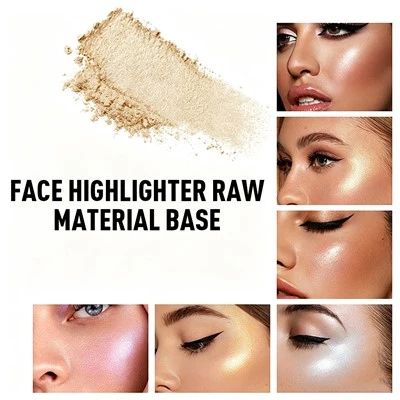
If you’re ready to try a set of day and night body moisturizers that are tailored to real skin needs, and you want to talk more about what’s right for your specific skin type, feel free to reach out to our procurement team. We’re here to help you find the right products, whether you’re stocking a store shelf, restocking for personal use, or just want advice on what works for you.
Lip Gloss Base References
- International Journal of Cosmetic Science. “Transepidermal Water Loss: A Review of Measurement Methods and Clinical Applications.” 2021.
- Journal of Investigative Dermatology. “Circadian Rhythms in Skin Function and Disease.” 2018.
- American Academy of Dermatology. “Choosing the Right Moisturizer for Your Skin Type.” 2022.
Guangzhou Yishengheng Cosmetic Co., Ltd.
Address: Room 1003, 10th Floor, Building B, Suijin Center, No. 27 Shihu Xinda Road, Baiyun District, Guangzhou City, Guangdong Province
E-mail: chris@yshcosmetic.com
WebSite: https://www.yshcosmetic.com/
