Hey everyone, if you’re part of the endoscopy game, you know how crucial it is to get your cannulas right—not just for patient care, but for compliance and peace of mind. As a go-to endoscopic cannulas supplier, I talk to clinics, surgery centers, and distributors every week who ask the same thing: “What’s the best way to sterilize these things?” It’s not a one-size-fits-all answer, and get this—using the wrong method can lead to dirty cannulas, cross-contamination, or even damaged equipment. So let’s break this down like we chat over a coffee, no stuffy jargon promise. Endoscopic Cannulas
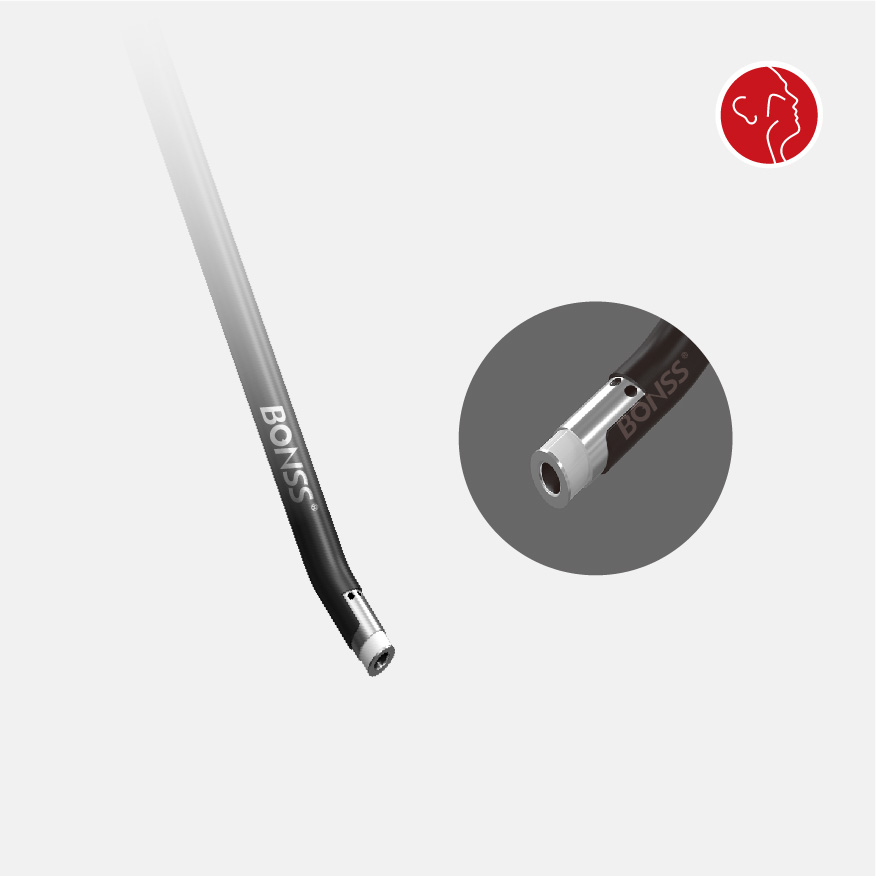
First off, let’s get a quick baseline: endoscopic cannulas are those tiny, thin tubes we use during procedures like ERCP, colonoscopies, or endoscopic ultrasounds. They touch body tissues, fluids, and even mucous membranes, so they have to be 100% sterilized every single use—reprocessing is non-negotiable here. Most of these cannulas are reusable, right? Wait, some are single-use, but a lot of facilities go with reusable to cut costs, which makes sterilization even more critical. Let’s walk through the main methods people use, plus the pros, cons, and what you need to watch for.
First up: Autoclaving (Steam Sterilization). This is the old reliable, the workhorse of most ORs and reprocessing rooms. It uses high-pressure steam (usually 121°C or 132°C) to kill every germ—bacteria, viruses, spores, the whole shebang. Sounds perfect, but here’s the catch: not all cannulas can handle this. Some plastic cannulas, especially the ones with soft tips or delicate valves, will melt, warp, or get brittle if you blast them with steam too hot. I’ve had a client tell me they ruined a batch of $800 cannulas once because they cranked the autoclave temp too high trying to speed up the process. Pro tip: always check your cannula’s specs first. The good news is, if your cannula is rated for autoclaving, it’s super effective, cheap, and easy to implement—no fancy extra gear needed. Just make sure you’re loading the autoclave right, not overcrowding, so steam gets everywhere, especially in the tiny lumens (those inside tubes) of the cannula.
Next: Chemical Sterilization (High-Level Disinfection, or HLD for short). This is the method most people reach for when their cannulas can’t handle steam. Common chemicals here are things like glutaraldehyde (you know, Cidex), peracetic acid, or hydrogen peroxide-based solutions. How it works: you soak the cannula (completely submerged, no air bubbles!) in the chemical for a set amount of time—usually 20 to 90 minutes, depending on the chemical. This kills all the bad stuff except maybe some super hardy spores, which is why it’s called high-level disinfection, not full sterilization. Wait, hold on—some newer peracetic acid systems actually do sterilize if you leave it long enough, right? I’ve seen those automated machines that agitate the solution too, so they’re better at getting into those tiny lumens than manual soaking. Cons here: chemicals can be harsh. They can erode some metal parts, leave a residue if you don’t rinse well, and they’re stinky—many reprocessing techs complain about the fumes. Also, the soak time is long, which can slow down your procedure turnaround. I had a gastro clinic client who switched from glutaraldehyde to a hydrogen peroxide system because their techs were having breathing issues from the fumes. Win for staff, but they still make sure to test the cannulas for chemical compatibility first.
Then there’s Dry Heat Sterilization. This is another good option for cannulas that hate moisture. It uses hot air (usually 160°C to 180°C) for a set period, no steam. Why would you pick this over autoclaving? Because it doesn’t damage moisture-sensitive parts—like plastic cannulas that would get warped by steam. But wait, dry heat takes way longer. Like, 2 to 4 hours, depending on the temp. That’s a big deal if you’re in a busy surgery center needing to turn cannulas around fast. Also, it’s less effective at killing spores than steam, right? So you need to make sure your dry heat cycle is properly validated. I’ve noticed that this method is more popular in places with super temperature-sensitive cannulas, like some of the newer silicone-tip cannulas we supply. It’s not the first choice for most, but it’s a solid backup.
Wait, what about Plasma Sterilization? Oh, this is a newer one that’s been blowing up lately. It uses low-temperature hydrogen peroxide gas plasma—super cool, no harsh chemicals, no high heat. It’s perfect for cannulas that can’t handle high temps or moisture: delicate plastics, electronics (wait, do cannulas have electronics? Some newer ones do, like those with cameras), even lenses. The cycle time is shorter than dry heat—usually 50 to 75 minutes, which is way better for busy centers. Cons? It’s more expensive to set up—you need the plasma machine, and the sterilant cartridges aren’t cheap. Also, some types of cannulas with long lumens can have issues if the plasma doesn’t reach every spot. I work with a lot of ambulatory surgery centers that love this method because it’s gentler on their expensive reusable cannulas and their staff don’t have to deal with chemical fumes. It’s becoming more common, but it’s still not as widespread as autoclaving or HLD.
And let’s not forget about Single-Use Cannulas—wait, that’s a whole other ballgame. Some facilities don’t reprocess at all; they just use a cannula once and throw it away. That eliminates the sterilization question entirely, but it’s more wasteful and can get pricey for high-volume procedures. But for clinics that don’t have the space or staff for reprocessing, it’s a no-brainer. I supply a lot of single-use cannulas to small practices that can’t handle the reprocessing workflow.
Now, here’s the stuff no one tells you—wait, it’s not just choosing the method. The prep work is 90% of the battle. You can use the best sterilizer in the world, but if you don’t clean the cannula first, it’s useless. All that gunk—blood, tissue, mucus—traps germs and blocks the sterilant from getting in. So first step after use: rinse the cannula with cold water (hot water sets proteins, makes ’em harder to remove), then use a soft brush to scrub the inside and outside of the lumen, then soak in an enzymatic cleaner to break down any organic matter. I’ve heard too many horror stories from clinics that skipped the pre-cleaning and ended up with a contamination scare. That’s why we always include a quick pre-processing guide with every cannula order—little tip from your supplier to yours.
Also, validation and monitoring. You can’t just run a cycle and assume it worked. You need to test regularly. For autoclaving, use test strips or biological indicators (those little spore vials) to make sure the temp and pressure are right. For chemical sterilization, check the solution’s strength every time you use it—if it’s diluted, it won’t work. For plasma, make sure the cartridges are fresh and the machine is calibrated. And don’t skip the record-keeping—regulatory bodies (like the FDA here in the US) require you to track every sterilization cycle, so you don’t want to mess that up.
Wait, let’s address some common myths. Myth #1: “All cannulas are the same, so one method works for all.” Nope. We have cannulas designed for specific procedures—some with ultra-thin lumens for ERCP, others with flexible plastic for colonoscopy. Each has different materials, so you have to match the sterilization method to the cannula’s specs. Myth #2: “Single-use means no sterilization issues.” Correct, but you still have to make sure you’re using FDA-cleared single-use cannulas—some knockoff brands skip the sterilization step entirely. And Myth #3: “Longer soak time = better sterilization.” For chemical methods, yes, but only if the cannula is fully submerged and there’s no air bubbles. If you leave it soaking twice as long, but half the lumen is above the solution, it does nothing.
As an endoscopic cannulas supplier, I see a lot of facilities making mistakes here. Last month, a small clinic reached out because they were using a chemical sterilizer that was eroding their cannula tips—they were using the wrong chemical for their specific cannula material. Another one was overloading their autoclave, so steam couldn’t reach the inner parts of the cannula, leading to a patient infection scare. That’s why we always make it a point to ask about their sterilization setup when they’re ordering—we’re not just selling a product, we’re helping them do it safely.
So, putting this all together: the best sterilization method depends on three things: your cannula type (material, design, single-use vs reusable), your facility’s resources (staff, space, budget), and regulatory requirements. If your cannula is heat and moisture resistant, autoclaving is cost-effective and reliable. If it’s delicate, go with plasma or low-temp chemical sterilization. If you’re short on time, automated HLD with peracetic acid is a great middle ground.
But here’s the thing—you don’t have to figure this out alone. If you’re a clinic, surgery center, or distributor struggling with sterilization methods for your endoscopic cannulas, or even picking the right cannula for your workflow, reach out to chat. We’re here to hook you up with the right products and advice to keep your procedures safe and compliant.
Endoscopic Instruments References:
- American Society for Gastrointestinal Endoscopy (ASGE). Reprocessing of Flexible Gastrointestinal Endoscopes and Accessories. 2022.
- Food and Drug Administration (FDA). Sterilization and Reprocessing of Single-Use Medical Devices: Guidance for Industry. 2019.
- Rutala, W. A., Weber, D. J. Disinfection and Sterilization in Health Care Facilities: An Update. Clinical Infectious Diseases, 2016.
Jiangsu Bonss Medical Technology Co., Ltd.
As one of the most professional endoscopic cannulas manufacturers and suppliers in China, we’re featured by quality products and good price. Please rest assured to buy bulk endoscopic cannulas for sale here from our factory. Customized orders are welcome.
Address: Building #7,No.898,China Medical City Avenue, Haling District, Taizhou City.Jiangsu P.R. China
E-mail: inquiry@plasma-surgical.com
WebSite: https://www.bonssmedical.com/
