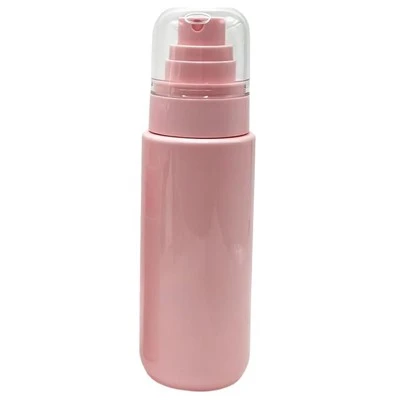
Functional containers, as the name suggests, are designed to not only store but also facilitate the efficient management and operation of the elements they hold. As a supplier of functional containers, I often encounter questions from customers about how to effectively add elements to these containers. In this blog post, I’ll walk you through several common methods and considerations to ensure you can make the most out of your functional containers. Functional Containers
Understanding the Basics of Functional Containers
Before delving into the process of adding elements, it’s crucial to understand what functional containers are. These containers are typically designed with specific features that enable them to perform certain functions related to the elements they house. For example, some containers are designed to keep items organized, some are temperature – controlled, and others are built to protect the contents from external factors like moisture or shock.
The type of functional container you are using will significantly influence the way you add elements. For instance, a container designed for transporting fragile items might require more careful placement of elements compared to a general – purpose storage container.
Assess the Function and Compatibility
The first step in adding elements to a functional container is to assess the function of the container and the compatibility of the elements. Every functional container is engineered to serve specific purposes. For example, if you have a container designed for storing electronic components, you need to ensure that the elements you add are electronic components that are not likely to cause damage to each other or to the container itself.
Material compatibility is also a key factor. Some containers are made of materials that can react with certain substances. For instance, a plastic container might not be suitable for storing certain chemicals that can dissolve or corrode the plastic. You should always check the manufacturer’s guidelines regarding what types of elements are safe to store in the container.
Manual Addition of Elements
One of the most straightforward ways to add elements to a functional container is through manual addition. This method involves physically placing each element into the container by hand.
Using Compartments and Dividers
Many functional containers come with built – in compartments and dividers. These features are designed to help you organize the elements in a structured way. When manually adding elements, start by identifying the purpose of each compartment. For example, if you have a toolbox with compartments, you might dedicate one compartment to screwdrivers, another to pliers, and so on.
Placing elements in the appropriate compartments not only makes it easier to find them later but also helps to distribute the weight evenly within the container. This is particularly important for containers that will be transported, as an uneven weight distribution can cause instability.
Consider the Weight and Balance
When adding elements manually, it’s important to consider the weight and balance of the container. If you’re adding heavy elements, try to place them at the bottom of the container to lower the center of gravity and increase stability. This is especially crucial for containers that will be carried around, such as portable toolboxes or camping gear carriers.
Bulk Loading
For larger – scale applications, bulk loading may be a more efficient method of adding elements to a functional container. Bulk loading involves pouring or dumping a large quantity of elements into the container at once.
Using Loading Equipment
In industrial settings, loading equipment such as conveyor belts, hoppers, and chutes are commonly used for bulk loading. These tools can significantly speed up the process of adding elements to a container. For example, in a grain storage facility, conveyor belts are used to transport large amounts of grain into storage silos.
However, it’s important to note that bulk loading may not be suitable for all types of functional containers. For example, containers with delicate internal structures or those designed for precise element placement may not be compatible with bulk loading methods.
Monitoring the Filling Process
When using bulk loading methods, it’s essential to monitor the filling process to avoid overloading the container. Overloading can cause structural damage to the container and may also pose safety risks. Most containers have a specified maximum capacity, and you should ensure that you do not exceed this limit.
Automated Addition Systems
In some advanced applications, automated addition systems are used to add elements to functional containers. These systems can be highly efficient and precise, especially in large – scale manufacturing and assembly lines.
Robotics and Programmable Systems
Robotic arms are often used in automated addition systems. These arms can be programmed to pick up elements from a source and place them accurately in the container. This method is commonly used in industries such as electronics manufacturing, where precise placement of components is crucial.
Programmable logic controllers (PLCs) are also an important part of automated addition systems. They can control the movement of robots, the speed of conveyors, and other aspects of the addition process to ensure smooth and efficient operation.
Quality Control in Automated Addition
One of the advantages of automated addition systems is the ability to implement quality control measures easily. For example, sensors can be used to detect the presence of elements, their orientation, and their dimensions. If an element does not meet the specified criteria, the system can reject it and prevent it from being added to the container.
Storage and Handling Considerations After Adding Elements
Once you have added the elements to the functional container, proper storage and handling are essential to maintain the integrity of both the container and the elements.
Storage Conditions
The storage conditions for the container will depend on the nature of the elements it holds. For example, if the container holds perishable items, it may need to be stored in a temperature – controlled environment. If the elements are sensitive to moisture, the storage area should be dry.
Handling During Transport
If the container needs to be transported, special handling procedures may be required. For example, containers with fragile elements should be packed with appropriate cushioning materials and labeled with handling instructions. It’s also important to secure the container properly during transport to prevent it from shifting or being damaged.
Conclusion
Adding elements to a functional container is a process that requires careful consideration of the container’s function, the compatibility of the elements, and the most appropriate addition method. Whether you are using manual addition, bulk loading, or automated systems, each method has its own advantages and limitations.
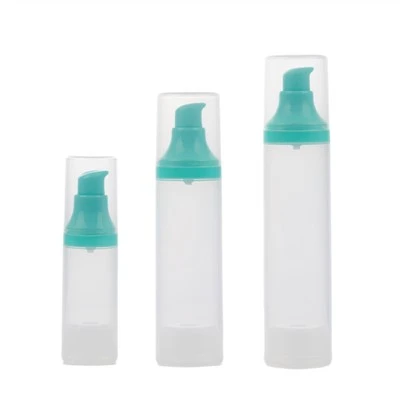
As a leading supplier of functional containers, we have a wide range of products to meet your diverse needs. Our containers are designed with the highest quality materials and advanced features to ensure the safe and efficient storage and management of your elements.
Cosmetic Packaging If you are interested in purchasing our functional containers or have any questions about adding elements to them, please feel free to contact us for a professional consultation. We look forward to helping you find the best solutions for your requirements.
References
- Goodall, C. (2018). "Principles of Container Design". London: Industrial Press.
- Harris, J. (2019). "Efficient Loading and Storage in Industrial Settings". New York: Manufacturing Publishers.
- Smith, R. (2020). "Automated Systems in Modern Manufacturing". Chicago: Technology Institute Press.
Jiangsu Welljoin Plastic Co., Ltd.
As one of the most professional functional containers manufacturers and suppliers in China, our products have good reputation in the market. Please rest assured to wholesale bulk premium functional containers from our factory. Good service and quality products are available.
Address: No.6 Chuangye Road, Xuanbao Industrial Park, Taixing, Jiangsu, P.R. China
E-mail: paul@welljoin.com.cn
WebSite: https://www.welljoin-pack.com/
