Hey there! I’m a supplier of EPS Exterior Decorative Wall Panels, and I know what you’re probably thinking. "Why would a supplier talk about the drawbacks of their own product?" Well, I believe in being upfront and honest with y’all. Understanding the cons of EPS panels can help you make a more informed decision, whether you’re a contractor, homeowner, or architect. So, let’s dive into the not – so – glitzy side of EPS Exterior Decorative Wall Panels. EPS Exterior Decorative Wall Panels
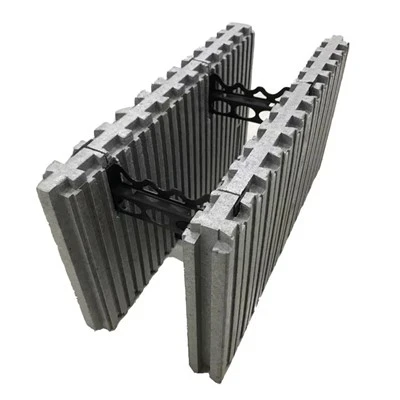
1. Limited Durability in Extreme Conditions
One of the first things you gotta consider is how well these panels hold up in harsh weather. EPS, or Expanded Polystyrene, is a lightweight material that’s great for a lot of reasons. But it ain’t invincible, especially in really extreme temperatures.
In super hot climates, prolonged exposure to high heat can cause the EPS to expand. This expansion might lead to warping or cracking of the panels over time. For example, if you’re in a desert area where daytime temperatures can soar above 100°F (37.8°C) for weeks on end, the panels could start to show signs of wear. The expansion and subsequent contraction as the temperature drops at night put stress on the panels, and eventually, this can damage the structural integrity.
On the flip side, in extremely cold conditions, EPS can become brittle. Cold snaps can make the panels more prone to cracking. If there’s a sudden freeze – thaw cycle, where the panels get wet and then freeze, the water inside can expand as it turns to ice. Since ice takes up more space than water, it can cause cracks in the EPS. This is a big problem because once the panels are cracked, they’re more vulnerable to water infiltration and further damage.
2. Fire Hazard Concerns
Another major drawback that can’t be ignored is the fire risk associated with EPS panels. EPS is a plastic – based material, and like most plastics, it’s flammable. When exposed to an open flame or high heat, EPS can catch fire relatively easily and burn quickly.
Even if the panels have been treated with fire – retardant chemicals, it doesn’t make them completely fire – proof. In a real – life fire situation, the fire – retardant coating might break down over time, especially if the panels are exposed to the elements. And once the coating fails, the EPS can burn, releasing toxic fumes. These fumes are not only dangerous to people in the vicinity but can also make the fire spread more rapidly.
Building codes in many areas have strict regulations regarding the use of EPS exterior panels because of these fire concerns. You might have to go through extra hoops to get approval for using them, and in some cases, you may need to install additional fire – prevention measures, like fire – rated barriers or sprinkler systems. This can add to the overall cost and complexity of your project.
3. Susceptibility to Physical Damage
EPS panels are lightweight, which is a plus in terms of installation and transportation, but it also means they’re not as tough as some other materials. They can be easily damaged by physical impacts.
For instance, if a stray baseball hits the wall or a construction worker accidentally bumps into the panels with a tool, it can leave a dent or a crack. Even small animals like rodents can potentially cause damage. Rodents might chew on the EPS panels, which can compromise their appearance and structural stability.
Repairing damaged EPS panels can be a hassle. It’s not always as simple as just patching up a hole. Depending on the extent of the damage, you might need to replace an entire section of the panel. And since these panels are designed to fit together in a specific way, finding a matching piece and installing it correctly can be tricky and time – consuming.
4. Environmental Impact
When it comes to the environment, EPS panels aren’t the most eco – friendly option out there. The production of EPS involves the use of chemicals and significant amounts of energy. Polystyrene is derived from petroleum, which is a non – renewable resource. So, every time we make more EPS panels, we’re contributing to the depletion of these valuable resources.
In addition to the production process, EPS is also not easily biodegradable. Once the panels reach the end of their life cycle, they can end up in landfills, where they’ll sit for hundreds of years. There’s also a risk of EPS fragments breaking off and entering the environment, where they can be ingested by wildlife or end up in waterways.
Now, some companies are trying to develop more sustainable versions of EPS panels, but at the moment, the environmental impact is still a significant drawback.
5. Installation Challenges
While EPS panels are often touted as easy to install, there are definitely some challenges that can come up. First of all, the installation requires a certain level of skill and precision. If the panels aren’t installed correctly, it can lead to a whole host of problems.
The adhesive used to attach the EPS panels to the wall is crucial. If it’s not applied evenly or if it doesn’t bond properly, the panels can start to come loose over time. And once one panel comes loose, it can affect the stability of the surrounding panels.
Another issue is that EPS panels need to be cut accurately to fit around windows, doors, and other architectural features. This can be difficult, especially if you’re dealing with complex shapes. A bad cut can not only make the installation look messy but can also create gaps where water or air can seep in.
6. Aesthetic Limitations
EPS panels offer a range of design options, but they still have some aesthetic limitations. While they can mimic the look of more expensive materials like stone or brick, they often fall short in terms of realism.
The texture of EPS panels might not be as detailed or natural – looking as the real thing. For example, if you’re trying to create a traditional brick facade, the EPS bricks might not have the same depth and character as actual bricks. And over time, the color of the panels can fade, especially if they’re exposed to direct sunlight. This can make the entire facade look worn and less appealing.
So, Should You Still Consider EPS Panels?
Despite these drawbacks, EPS Exterior Decorative Wall Panels still have a lot going for them. They’re lightweight, easy to work with (when installed correctly), and cost – effective compared to some other materials. They also offer a wide variety of design options, allowing you to achieve the look you want for your project.
If you’re aware of the drawbacks and are willing to take the necessary precautions, EPS panels can be a great choice. You might be able to mitigate some of the issues by working with a reputable installer, choosing panels with high – quality fire – retardant coatings, and taking steps to protect the panels from physical damage.
Rock Wool Board If you’re interested in learning more about EPS Exterior Decorative Wall Panels or want to discuss how to overcome these drawbacks for your specific project, I’m here to help. Just reach out, and we can have a chat about your needs. Whether you’re looking for a cost – effective solution or trying to achieve a specific aesthetic, I can provide you with the information and support you need.
References
- ASTM International. Standard Test Methods for Sampling and Testing Geosynthetics.
- National Fire Protection Association. NFPA 285: Standard Fire Test Method for Evaluation of Fire Propagation Characteristics of Exterior Non – load – bearing Wall Assemblies Containing Combustible Components.
Shanxi Rongshengchang Trading Co., Ltd.
As one of the most professional eps exterior decorative wall panels suppliers in China, we’re featured by quality products and good price. Please rest assured to buy premium eps exterior decorative wall panels for sale here from our factory. Welcome to view our website for more information.
Address: No.1602, 16th Floor, Unit 4, Building 13, Pingyang Jingyuan, No.65 Pingyang Road, Pingyang Road Street, Xiaodian District, Shanxi Province, China
E-mail: postmaster@rongshengchang.com
WebSite: https://www.rongshengchang.com/
