Yo! I’m a supplier of crusher pulleys, and today I wanna chat about the special considerations for using a crusher pulley in reverse rotation. Most of the time, these pulleys are designed to spin in one direction, but there are situations where running them in reverse might be necessary. So, let’s dig into what you need to keep in mind. Crusher Pulley

1. Mechanical Design and Stress
First off, the mechanical design of a crusher pulley matters big time. Pulleys are engineered with a specific rotation direction in mind. The way the materials are arranged, the shape of the pulley, and how it’s attached to the crusher all assume a particular spin. When you reverse the rotation, the stress distribution on the pulley changes.
For example, the belts on the pulley are usually set up to grip in one direction. Reversing the rotation can cause the belts to slip more easily. This is because the grooves on the pulley are made to match the belt’s movement in the normal rotation. When you flip it around, the belt might not fit snugly into the grooves, leading to less efficient power transfer.
Also, the bearings in the pulley are designed to handle loads in a certain way. In reverse rotation, the forces on the bearings change. They might not be able to support the loads as well, which can lead to premature wear and tear. I’ve seen cases where the bearings overheat and fail because of the wrong rotation. So, if you’re thinking about reversing the rotation, you need to check if the bearings can handle it. You might need to upgrade to more heavy – duty bearings to avoid problems.
2. Crushing Performance
Another important thing is the crushing performance. The way a crusher works is closely tied to the rotation direction of the pulley. The crushing chamber is designed so that the materials are fed and crushed in a specific pattern when the pulley rotates in the normal direction.
When you reverse the rotation, the materials might not be fed into the crushing area as smoothly. They could get stuck or not be crushed as effectively. The impact and compression forces that are crucial for crushing are also affected. The normal rotation is optimized to create the right amount of force at the right time. Reversing it can disrupt this balance, resulting in larger particle sizes in the crushed material.
If you’re using the crusher for a specific application where the particle size of the crushed material is critical, like in construction or mining, this change can be a real problem. You might end up with a product that doesn’t meet the quality standards. So, before you reverse the rotation, think about how it will impact the final output of the crusher.
3. Safety Concerns
Safety should always be at the top of your list. Reversing the rotation of a crusher pulley can introduce new safety risks. For one, the guards and shields on the crusher are designed for the normal rotation. If you reverse it, the moving parts might not be properly protected.
The way the pulley and the crusher are set up, there are certain areas that are considered safe when the machine is running normally. But in reverse rotation, the movement of the parts can be unpredictable. Workers could be at risk of getting caught in the belts or other moving components.
Also, the emergency stop systems are calibrated based on the normal operation of the crusher. Reversing the rotation might make these systems less effective. In an emergency, the crusher might not stop as quickly or as expected. So, make sure you have proper safety measures in place if you decide to run the pulley in reverse. This could include adding extra guards or retraining your workers on the new operation.
4. Maintenance Requirements
When you run a crusher pulley in reverse rotation, the maintenance requirements change. As I mentioned earlier, the increased wear and tear on the belts and bearings mean you’ll have to check them more often. The belts might need to be tightened or replaced more frequently.
The alignment of the pulley is also important. In reverse rotation, the pulley might shift or become misaligned. Regular alignment checks are necessary to ensure the smooth operation of the crusher. If the pulley is misaligned, it can cause more stress on the belts and bearings, leading to even more problems down the road.
You’ll also need to keep an eye on the lubrication of the moving parts. The normal lubrication schedule might not be sufficient when running in reverse. The different stress and rotation patterns can cause the lubricant to break down faster. So, you might need to increase the frequency of lubrication or use a different type of lubricant.
5. Compatibility with Other Components
A crusher is made up of many components that work together. The pulley doesn’t operate in isolation. When you reverse its rotation, you need to consider how it will interact with the other parts of the crusher.
The motor that drives the pulley is designed to work with the normal rotation. Reversing it can put extra strain on the motor. The motor might overheat or not be able to provide the same amount of power. You need to check if the motor can handle the reverse rotation. In some cases, you might need to adjust the motor settings or even replace it with a more suitable one.
The gearbox and the couplings are also affected. The gears in the gearbox are meshed in a way that assumes a certain rotation direction. Reversing it can cause uneven wear on the gears and reduce the efficiency of the gearbox. The couplings that connect the pulley to the motor and other components might also need to be re – evaluated. They might need to be adjusted or replaced to ensure proper power transfer.
Conclusion
So, there you have it. Using a crusher pulley in reverse rotation is not something to be taken lightly. There are a bunch of special considerations regarding mechanical design, crushing performance, safety, maintenance, and compatibility with other components.
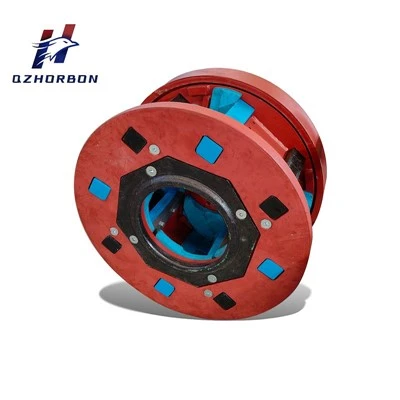
If you’re thinking about running your crusher pulley in reverse, it’s important to consult with an expert. As a crusher pulley supplier, I’ve got the knowledge and experience to help you make the right decision. Whether you need to check the design of your pulley, upgrade your components, or just get some advice on safety measures, I’m here to assist.
Crusher Pitman If you’re interested in learning more about crusher pulleys or discussing how to handle reverse rotation in your crusher, don’t hesitate to reach out. I’d love to have a chat and see how we can work together to ensure the smooth and efficient operation of your crusher.
References
- Industry standards on crusher design and operation.
- Manufacturer’s manuals for crusher pulleys and related components.
- Case studies on crusher performance during non – standard operation.
Quzhou Horbon Mining Parts Co., Ltd.
Quzhou Horbon Mining Parts Co., Ltd. is one of the most professional crusher pulley manufacturers and suppliers in China, featured by high quality customized service and OEM service. Please rest assured to buy premium crusher pulley at competitive price from our factory. Contact us for pricelist.
Address: No.8 Nanshan Road, Qujiang District, Quzhou City, Zhejiang Province, China
E-mail: horbonmining@gmail.com
WebSite: https://www.horbonmachinery.com/
