If there’s one design style that continues to resonate with homeowners, interior designers, and even new homeowners building their first space, it’s Mid-Century Modern residential furniture. I’ve spent 12 years working as a residential furniture supplier, sourcing, testing, and curating pieces that fit this iconic style, and I can tell you it’s not just about the slatted wood or tapered legs you see on Pinterest. There are specific, non-negotiable details that define true Mid-Century Modern (MCM) pieces, and mixing up those details is how you end up with furniture that looks trendy but doesn’t carry the timeless, intentional feel of the real deal. Let’s break down the key details that make MCM residential furniture stand apart, why they matter, and how they’ve shaped the pieces we supply for homes across the country. Residential Furniture
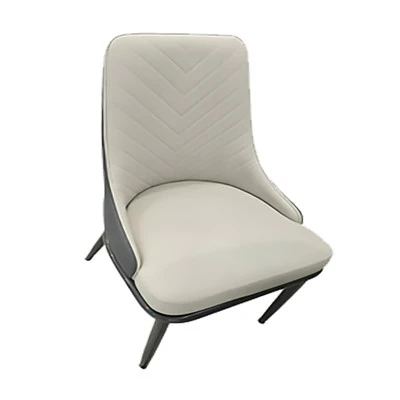
First, and most foundational, is the construction method that emerged from post-WWII America. By the late 1940s, mass production was no longer reserved for cars and appliances; furniture makers were adapting these techniques to make well-designed pieces accessible to the average family, not just wealthy designers. That meant moving away from heavy, ornate, solid wood pieces that required custom joinery to something more streamlined. For example, MCM cabinets and sideboards almost always use pocket-hole joinery for frame and panel construction instead of heavy mortise-and-tenon joints that add unnecessary bulk. My team tests every cabinet we bring in to make sure the joints hold even when loaded with full dish sets or a stack of books—too many cheap knockoff MCM pieces use glue alone or thin staples, and they start warping or coming apart within a year. I remember a customer coming to us a few months back frustrated with a sideboard she bought online that had already split along the frame; it used particleboard for the core, not solid or veneered hardwood, so even minor temperature changes in her dining room caused it to crack. Authentic MCM, even when designed for mass production, prioritizes structural integrity without excess material. That’s the core of what makes it durable, not just pretty.
Next, the legs—one of the most recognizable and misinterpreted MCM details. I can’t tell you how many pieces we turn away because their “tapered legs” are too short, too thick, or have a rounded edge that’s more mid-century kitsch than the real thing. True MCM legs are almost always tapered, meaning they narrow from top to bottom, with a slight angle—usually between 5 and 10 degrees—so they don’t look like a blunt stump. They’re also usually made of solid hardwood, not plastic or metal (unless it’s a specific accent piece like a side table, but even then, metal legs should be a thin, sleek design). The legs are often splayed slightly outward too, which gives the furniture stability and that airy, uncluttered look MCM is known for. I once worked with a designer who insisted we source a line of sofas with 4-inch legs, thinking shorter legs were more practical for a home with kids; when we pulled the samples, they just looked heavy and outdated, not MCM. The ideal leg height for a sofa is between 6 and 9 inches, enough to let a robot vacuum slide underneath (a detail no mid-century designer would have planned for, but that fits the style’s functional roots) and keep the piece looking light, not bulky.
Material selection is another non-negotiable detail, and it’s where authentic MCM diverges sharply from modern knockoffs. Mid-century designers rejected the dark, dense mahogany and oak that had defined furniture for centuries, opting for lighter, more versatile woods: teak, walnut, maple, and rosewood were the stars. Teak was especially popular because it’s naturally water-resistant and has a warm, golden tone that ages beautifully—you see it on almost every iconic MCM piece, from Eames lounge chairs to Jens Risom side tables. Walnut, with its subtle grain and rich medium brown color, was a close second, used for everything from dining tables to bedroom dressers. The key here is the grain: authentic MCM pieces highlight the natural grain of the wood, not obscure it with heavy staining or paint. I’ve had suppliers offer us “teak finish” pieces that are actually pine stained to look like teak; when we run our hand over them, the grain is too uniform, no variation, and the wood feels lightweight and hollow. Real teak is dense, has slight variations in its grain, and even minor scratches add character, not take away from it. For upholstered pieces, MCM designers preferred natural, low-maintenance fabrics: wool, linen, cotton, and even leather (soft, unlined leather, not the thick, stiff leather used for traditional pieces). Synthetic fabrics like microfiber only became common much later, so any “authentic” MCM piece with synthetic upholstery is almost always a reproduction that misses the mark.
Form follows function—this is the mantra that defines every MCM piece, and it’s a detail that’s easy to overlook when you’re just looking at a pretty chair. Mid-century designers didn’t create shapes for show; they created them to work with how people live. Take the Eames Lounge Chair, for example: its molded plywood shell is shaped to fit the human spine, and the tilt mechanism lets you adjust it for sitting or reclining—there’s no extra carving or ornamentation, just a shape that serves a purpose. That functional ethos applies to even the smallest pieces, like side tables: MCM side tables have a flat top that’s sized to hold a lamp and a book, and a open lower shelf (no closed drawers that make them feel cramped) so you can slide something under them, or pull them close to a sofa without hitting a leg. I once bought a batch of coffee tables from a manufacturer that copied the MCM silhouette but added a closed storage drawer; while functional, it threw off the balance— the table looked heavy, like it was holding onto extra space, instead of feeling light and open. The best MCM pieces have negative space, intentional gaps, and no unnecessary details—no carved medallions, no overly ornate handles, nothing that doesn’t serve a purpose. That’s why they work so well in small spaces, too, which is part of their enduring popularity.
Hardware is a tiny detail, but it makes a huge difference in how authentic a piece feels. Mid-century designers used hardware that was simple, functional, and matched the understated style of the furniture. Drawer pulls and cabinet handles were usually thin, curved bars, or small circular knobs with a minimal design—no elaborate backplates, no brass or chrome that’s overly shiny. The hardware was often made of solid metal, like brass or steel, with a matte or satin finish, not a polished, reflective one. I see a lot of reproduction pieces that use bright, polished chrome handles, which clash with the warm wood tones of MCM furniture and feel too modern, too flashy. The right hardware should feel like it belongs with the wood, not like an afterthought. For example, a walnut dresser should have thin, curved brass pulls that match the tone of the wood, not bright silver knobs that draw all the attention away from the grain. That subtle attention to hardware is what separates a piece that looks like a trendy MCM knockoff from one that feels like it was designed in the 1950s for a real family’s home.
Color palette is another key detail that’s often misrepresented in modern reproductions. Mid-century designers preferred muted, earthy tones, with pops of bright color as accents, not as the main focus. The wood tones are warm and natural—teak’s golden brown, walnut’s deep medium brown, maple’s pale blonde. Upholstery colors were soft: olive green, burnt sienna, mustard yellow, cream, gray, and sky blue. Bright colors like tangerine or hot pink were used sparingly, on pillows or chairs, not on sofas or large dining tables. Modern reproductions often use overly bright, saturated colors, like neon green or electric blue, to catch attention, but that’s far from the understated, calming color palette that defined MCM. I remember a customer asking for a MCM sofa in bright coral, and when we showed her our swatches, she was surprised at how soft and muted the authentic mid-century colors are— they’re meant to blend into a space, not dominate it. That’s why MCM works with so many different home styles now, because its color palette is versatile and timeless, not tied to a specific trend.
Over my years as a residential furniture supplier, I’ve learned that MCM isn’t just a design aesthetic—it’s a philosophy. Every detail, from the construction of the frame to the color of the paint, is intentional, rooted in post-WWII America’s desire for accessible, well-made furniture that’s functional and beautiful. A lot of brands try to capitalize on the MCM trend by cutting corners: using particleboard, cheap hardware, overly bright colors, and focusing only on the tapered legs to get a quick sale. But the pieces that last, the ones our customers come back for, are the ones that check all the details: solid hardwood construction, properly tapered legs, natural wood grains, functional forms, subtle hardware, and a muted earthy color palette.
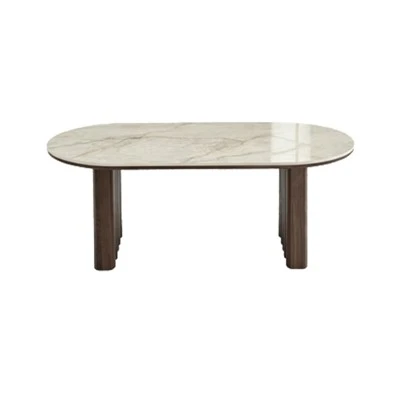
If you’re looking to furnish your home with pieces that truly capture the Mid-Century Modern spirit, it’s worth taking the time to look for these details. Too many people buy reproductions that look good in a photo but fall apart or feel cheap in person. As a residential furniture supplier, we’ve curated our collection to include only pieces that meet these standards, sourced from manufacturers who honor the mid-century ethos instead of just copying a silhouette. Whether you’re updating your living room with a sofa, furnishing a dining space with a table and chairs, or picking out bedroom pieces, focusing on these key details will help you choose furniture that’s not just trendy, but timeless—pieces that will feel just as good in 20 years as they do today. If you’re ready to explore our collection or discuss what MCM pieces would work best for your home, reach out to our team to connect for a purchasing conversation. We’re here to help you find furniture that’s both beautiful and built to last, true to the spirit of Mid-Century Modern design.
Office Furniture References:
- Pile, J. (2015). Mid-Century Modern Furniture: An Illustrated History. Thames & Hudson.
- Fiell, C., & Fiell, P. (2018). 1000 Chairs. Taschen.
- Hennessey, M. (2020). The Mid-Century Modern Home: Designing for Everyday Life. Rizzoli International Publications.
- Kaplan, Wendy. (2017). Mid-Century Modern Modernism: 1945–1975. Museum of Modern Art.
- Risom, J. (1991). Jens Risom: A Designer’s Life. Mid-Century Press.
Bazhou Fuyuan Furniture Co., Ltd.
With abundant experience, we are one of the most professional residential furniture manufacturers and suppliers in China. Welcome to wholesale high quality residential furniture in stock here and get quotation from our factory. We also accept customized orders.
Address: Fuyuan Furniture Co., Ltd., Lane 2, Xinzhang Development Zone, Bazhou City, Langfang City, Hebei Province
E-mail: 17831088858@163.com
WebSite: https://www.fuyuanfurniture.com/
