Hey there,
If you’ve ever been deep in a build or renovation, you’ve probably stood in the store aisle staring at a pile of materials, wondering, “Can I actually work with this, or am I gonna end up frustrated?” That’s exactly the question we get every single day as a wood wool panel supplier—especially from DIYers, small contractors, and even big design teams shopping for acoustic or insulation solutions. People hear “wood wool” and either think it’s some delicate, crumbly mess that’ll fall apart if you look at it wrong, or it’s such a heavy, rigid material it’d take a power saw and a whole day to cut a single panel. So today, I’m breaking this down straight: are wood wool panels actually easy to cut? Spoiler: Yes—if you know what you’re doing. Let’s dive in, no jargon, no fake sales fluff. Wood Wool Panels
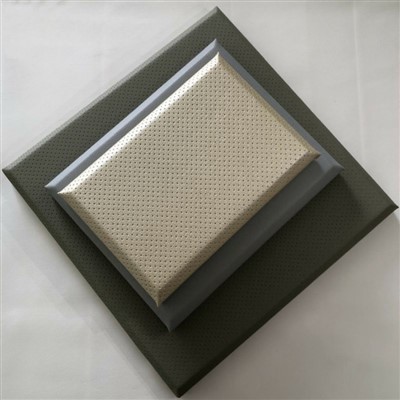
First, let’s get one thing out of the way fast: wood wool panels aren’t made of the flimsy splintery wood insulation you see wrapped around pipes. Ours (and most high-quality ones, let’s be real) are made of recycled wood fibers that are beaten into those fluffy, wool-like strands, mixed with a small amount of cement or magnesite binder to hold ‘em together, then pressed into rigid, flat panels. That binder is what makes them durable, fire-resistant, and great at absorbing sound—but it’s also what a lot of people think makes them impossible to cut. Wrong. The balance here is key: too much binder, and they’re tough as concrete to work with; too little, and they crumble when you touch ‘em. Our supplier panels strike that sweet spot, which is why our customers come back for cuts all the time, not just the full panels.
Let’s talk about why cutting wood wool panels is actually way simpler than, say, cutting standard drywall. Wait—hear me out. Drywall can snap or tear if your score is off, but wood wool panels? They have a consistent, fibrous core that’s pretty forgiving as long as you use the right tools. Most of our regulars swear by a circular saw with a fine-tooth blade (think 40-tooth or higher, specifically designed for cutting non-ferrous materials or composites, not just wood) or a jigsaw with a bi-metal blade. For smaller, custom cuts—like notching out a spot for a light switch or trimming a panel to fit a tight nook—a utility knife works too, as long as you score the line deep enough, then snap it over a straight edge. I’ve even seen one DIYer at a local build workshop pull off perfectly straight cuts with a handsaw, though that’s only for people who like a arm workout. The biggest mistake people make is grabbing a blade that’s too coarse—those big, sharp teeth will tear the fibers, leave ragged edges, and even make some of the wood wool strands fly everywhere. Pro tip from our team: always wear safety goggles and a dust mask, even when cutting. The fibers aren’t toxic, but they’re sharp and itchy if they get in your eyes or lungs.
Now, let’s get real about the “ease” part because it’s not one-size-fits-all. If you’re cutting a standard 4ft x 8ft panel straight down the middle for a accent wall? Super easy. We ship our panels with factory edges that are already mostly straight, so scoring a line with a chalk line and a straight edge, then running a circular saw along it takes less than 5 minutes. But if you’re doing something funky—like a custom curved cut for a arched ceiling, or cutting a bunch of tiny shapes for a feature wall with lots of angles? That’s where it gets a little trickier, but still way doable. The key there is going slow, not forcing the saw, and making sure your blade is sharp. Dull blades will make any material harder to cut, but especially wood wool—they’ll grab at the fibers, cause kickback, and leave you with a messy edge. One of our go-to contractors who does a lot of commercial offices told us he sharpens his blades before every big cut, and saves his slightly duller ones for smaller, less precise tasks.
Wait, let’s address the common myth that wood wool panels crumble when cut. That’s only if the binder ratio is off—like if a cheap panel has too little cement, so the fibers don’t hold together. Our panels are tested to have a binder mix that lets them hold their shape when cut, so you won’t have strands falling all over your floor mid-cut. That said, you’ll get a tiny bit of dust and small fiber bits—nothing excessive, but a vacuum nearby is always a good idea. We even give customers a little cheat sheet with each order that lists the best tools for cuts, how to avoid ragged edges, and quick tips for cleaning up after—small stuff that makes a huge difference.
Let’s talk about how this compares to other popular materials people use for acoustic or wall projects. If you’ve ever cut MDF, you know how dusty and static-y that is, and drywall can snap unevenly if you’re not careful. OSB is rough, splintery, and leaves tons of big wood chunks. Wood wool panels? They’re in the middle. They’re rigid enough to cut straight with standard tools, but flexible in the sense that they don’t require heavy-duty equipment. I’ve had a first-time DIYer message us after their first order saying they cut 12 2ft x 2ft panels for their home theater with a $30 circular saw from a hardware store—no prior experience, just followed the cheat sheet. That’s the kind of feedback that makes our job worth it, because wood wool doesn’t have to be intimidating.
Now, what about when you’re cutting for installations? A lot of people worry about fitting panels into frames or around electrical boxes. Again, the fibrous core helps here—if you need a notch for a wire or a switch, you can use a jigsaw to cut a clean, tight notch without the panel cracking. Just make sure you measure twice, because you can’t glue a notch back in if you cut it too big. We also tell customers that if they’re installing the panels with adhesive (which is super common for accent walls), any small, slightly ragged edges can just be sanded down with a fine-grit sandpaper after cutting—no need to re-cut the whole thing. It’s that forgiving.
Wait, let’s be honest here—are there times when cutting wood wool panels is a bit more work? Sure. If you’re working with a really thick panel (we sell 1-inch and 2-inch thicknesses, mostly for acoustic needs) and you need to cut a deep, straight line, a handsaw might take a little longer than a power tool. But even then, it’s manageable. And for the record, the 2-inch panels are still way easier to cut than, say, a concrete board or solid wood planks. Another thing: when you order from us, all our panels are cut precisely at the warehouse if you need custom sizes—no extra work for you. If you’re doing a big project, just send us your dimensions, and we’ll cut ‘em for you so you don’t have to mess with it at all. That’s one of the perks of working with a supplier that actually knows their stuff, not just reselling cheap panels from overseas.
I think a big part of why people struggle with cutting wood wool panels is that they don’t do their homework on tools. We’ve had customers show up with a masonry saw (overkill, loud, way more dust) or a blade designed for cutting metal (dull, tears fibers) and then call us saying “this stuff is impossible to cut!” But once you swap out the blade for a fine-tooth wood/composite blade, suddenly it’s a breeze. It’s like how you wouldn’t use a butter knife to cut a steak—same idea here.
Let’s wrap this up with a few quick takeaways, ‘cause I know you’re probably scrolling back to take notes. First: Yes, wood wool panels are easy to cut—when you use the right tools and avoid cheap, low-quality panels. Second: The best tools are a circular saw (fine-tooth blade), jigsaw (bi-metal blade), or utility knife for small cuts. Third: Common mistakes are using dull blades, coarse teeth, and not wearing safety gear. Fourth: If you’re not into cutting at all, we can do custom cuts for you at the warehouse.
At the end of the day, we started this business because we believe sustainable building materials don’t have to be a hassle. A lot of people think “eco-friendly” means it’s hard to work with, but wood wool panels prove that wrong. They’re made from recycled wood, they absorb noise, they’re fire-resistant, and they’re actually way more DIY-friendly than people give them credit for.
If you’re planning a project, whether it’s a small accent wall, a home theater, a commercial office, or a whole building, and you’re ready to get started with wood wool panels that cut like a dream, we’re here to help. We can send you samples, answer any questions about cutting or installation, and hook you up with whatever size or number of panels you need—even custom cuts to fit your space perfectly. No pressure, no sales pitch, just real advice from people who work with this stuff every single day.
So go ahead, grab those panels, that fine-tooth blade, and get to work. It’s way easier than you think. And if you run into any snags, we’re just a message away. Happy building!
Sound-absorbing Materials References:
- The Wood Wool Industry Association. (2022). Working with Wood Wool Panels: A Practical Guide for Installers and DIYers.
- National Institute of Building Sciences. (2021). Material Workability Testing: Comparative Analysis of Wood Wool, Drywall, and OSB.
- Sustainable Building Materials Alliance. (2023). Tool Selection Guidelines for Cutting Non-Traditional Wall Panels.
Guangzhou MQ Acoustic Materials Co., Ltd.
Guangzhou MQ Acoustic Materials Co., Ltd. is one of the most professional wood wool panels manufacturers and suppliers in China, featured by quality products and low price. Welcome to buy CE approved wood wool panels in stock here and get quotation from our factory. We also accept customized orders.
Address: Room D403, KeZhu Business Building, ZhuJi Road, TianHe District, GuangZhou, China
E-mail: Lizzy@mq-acoustics.com
WebSite: https://www.acoustic-projects.com/
