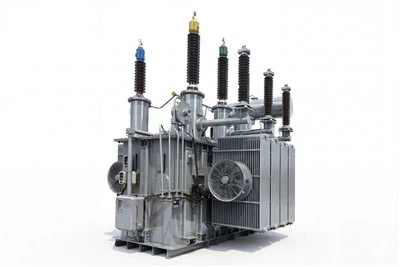
As a supplier of pole-mounted transformers, I’ve seen firsthand the critical role these devices play in our electrical infrastructure. They are essential for stepping down high-voltage electricity to a level that can be safely used in homes and businesses. However, like any electrical equipment, pole-mounted transformers come with certain fire risks that need to be understood and managed. In this blog, I’ll delve into the various fire risks associated with pole-mounted transformers, drawing on my experience in the industry. Pole Mounted Transformer
1. Overheating Due to Overloading
One of the most common causes of fire in pole-mounted transformers is overheating resulting from overloading. When a transformer is subjected to a load that exceeds its rated capacity, the internal components, such as the windings, start to heat up significantly. The windings are made of conductive wires that have a certain resistance. According to the Joule’s law of heating (P = I²R, where P is the power dissipated as heat, I is the current, and R is the resistance), an increase in current due to overloading leads to a proportional increase in the heat generated.
Over time, this excessive heat can cause the insulation around the windings to degrade. The insulation is typically made of materials like paper or synthetic polymers, which have a limited heat tolerance. When the temperature rises above their safe operating range, the insulation can dry out, crack, or even catch fire. Once the insulation fails, it can lead to short circuits within the transformer, further exacerbating the problem and increasing the risk of a full – scale fire.
In real – world scenarios, overloading can occur for several reasons. For example, during peak demand periods, such as hot summer days when air – conditioning units are running at full capacity, the power consumption in a particular area may surge. If the local electrical grid is not adequately designed to handle these peak loads, pole – mounted transformers can be pushed beyond their limits. Also, unplanned growth in a neighborhood, with new households or businesses being added without a corresponding upgrade to the electrical infrastructure, can lead to overloading of the existing transformers.
2. Faulty Electrical Connections
Faulty electrical connections within a pole – mounted transformer are another significant fire risk. Transform ers have numerous electrical connections, including those between the primary and secondary windings, and between the transformer and the power lines. Poorly made connections can have high resistance at the joint.
When current flows through a high – resistance connection, additional heat is generated at that point. Similar to the mechanism of overloading, this heat can cause the insulation around the connection to break down. Moreover, if the connection is loose, it can create arcing. Arcing is a phenomenon where an electric current jumps across a gap in the electrical circuit, producing a high – temperature plasma. This plasma can reach extremely high temperatures, easily igniting nearby combustible materials, such as the insulation or the transformer’s casing.
Faulty connections can occur due to improper installation. If the installation crew does not follow the proper torque specifications when tightening the connections, the joints may be loose from the start. Additionally, over time, environmental factors such as vibration, thermal expansion and contraction, and corrosion can cause the connections to loosen or degrade.
3. Oil Leakage and Combustion
Most pole – mounted transformers use oil as a cooling and insulating medium. The oil helps to dissipate the heat generated within the transformer and provides electrical insulation between the windings. However, oil leakage is a serious issue that can lead to fire hazards.
The oil used in transformers is flammable, and if it leaks out and comes into contact with a heat source or an electrical arc, it can ignite. There are several reasons why oil leakage may occur. Physical damage to the transformer tank, such as punctures caused by external impacts (e.g., from falling objects or vandalism), can allow the oil to escape. Corrosion of the tank over time can also lead to small holes or cracks through which the oil can seep.
Once the oil leaks, it can pool around the base of the transformer or drip onto nearby structures. If there is an electrical fault, such as a short circuit or arcing inside the transformer, the leaked oil can catch fire very quickly. The burning oil can spread rapidly, causing extensive damage to the transformer and the surrounding area.
4. External Fire Sources
Pole – mounted transformers are exposed to the outdoors, and they can be affected by external fire sources. In areas prone to wildfires, for example, a nearby wildfire can pose a significant threat to the transformers. The intense heat from the wildfire can cause the transformer’s insulation to degrade rapidly, and if the fire reaches the transformer, it can ignite the oil or other combustible components.
Lightning strikes are also an external factor that can start a fire in a pole – mounted transformer. A direct lightning strike can cause a massive surge of electrical current through the transformer. This sudden increase in current can lead to overheating, damage to the insulation, and even explosions in extreme cases. The high – energy electrical discharge from a lightning strike can also create arcs that can ignite any flammable materials in the vicinity of the transformer.
5. Aging and Deterioration
As pole – mounted transformers age, their components naturally deteriorate. The insulation materials gradually lose their effectiveness over time due to factors such as heat, moisture, and electrical stress. The windings may become brittle, and the insulation may crack, providing a pathway for electrical faults.
The mechanical parts of the transformer, such as the bushings and the gaskets, can also degrade with age. Bushings are used to bring the electrical connections in and out of the transformer tank, and if they fail, it can lead to electrical arcing and potential fires. Gaskets are used to seal the transformer tank and prevent oil leakage. As they age, they may lose their elasticity and develop leaks, increasing the risk of an oil – related fire.
Mitigating Fire Risks
Understanding these fire risks is the first step in mitigating them. As a supplier, I am committed to providing high – quality pole – mounted transformers that are designed to minimize these risks. We use advanced insulation materials that have a higher heat tolerance and are more resistant to degradation. During the manufacturing process, we follow strict quality control procedures to ensure that all electrical connections are properly made and tested.
For existing transformers, regular maintenance is crucial. This includes checking for signs of overloading by monitoring the transformer’s load levels, inspecting the electrical connections for tightness and signs of corrosion, and looking for any signs of oil leakage. In areas prone to wildfires, additional protective measures such as fire – resistant enclosures can be installed around the transformers.
Conclusion
Pole – mounted transformers are an integral part of our electrical grid, but they do come with fire risks. These risks, including overheating from overloading, faulty connections, oil leakage, external fire sources, and aging, need to be carefully managed. As a supplier, I am dedicated to providing the best possible products and offering advice on how to minimize these risks.
Power Transformer If you are in the market for a pole – mounted transformer or need more information on how to manage the fire risks associated with them, I encourage you to reach out to me for a discussion. We can work together to find the right solutions for your specific needs.
References
- Electrical Power Engineering Handbook, Third Edition. CRC Press.
- IEEE Standards for Pole – Mounted Transformers.
- National Fire Protection Association (NFPA) Codes and Standards related to Electrical Equipment.
Jiangsu Yuantong Electric Co., Ltd.
As one of the most experienced pole mounted transformer manufacturers and suppliers in China, we also support customized service. Please rest assured to wholesale bulk high quality pole mounted transformer in stock here from our factory. Contact us for more details.
Address: No. 202, Qiaogang Road, Xicheng Subdistrict, Hai’an City
E-mail: jsytdq@jsytelectric.com
WebSite: https://www.jsytelectric.com/
